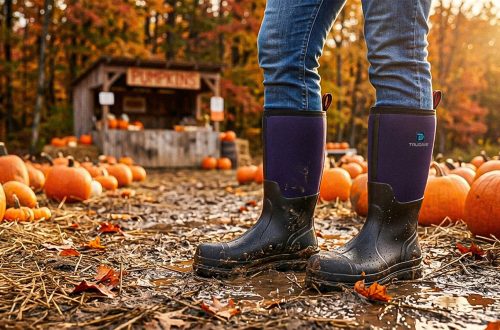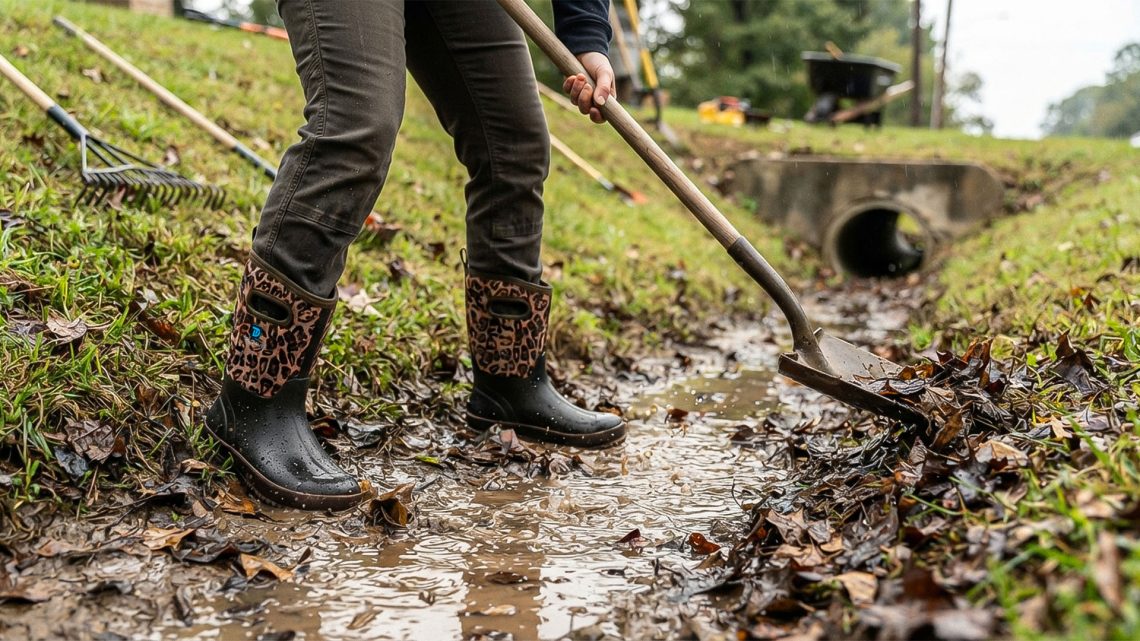
Best Boots for Seaweed Farming and Kelp Harvest Work
Seaweed farming combines commercial fishing, aquaculture, marine agriculture, dock work, harvesting, and food production in one unusually wet working environment.
Workers may begin before sunrise loading equipment onto a boat, travel to offshore or nearshore growing lines, pull wet kelp or seaweed from the water, handle ropes and floats, return to a dock, unload heavy harvest containers, wash equipment, and finish the day inside a processing or drying facility.
Footwear may encounter:
- Saltwater.
- Wet boat decks.
- Seaweed residue.
- Rain.
- Muddy shorelines.
- Dock surfaces.
- Rope and line debris.
- Gravel.
- Processing floors.
- Washdown water.
- Cold marine weather.
- Loading areas.
That makes waterproof footwear one of the most important pieces of everyday equipment for many seaweed-farm workers.
The best boots for seaweed farming should keep feet dry, provide dependable traction on wet marine surfaces, remain easy to clean, support long standing shifts, and offer enough flexibility for workers handling ropes, harvesting lines, boats, docks, and processing equipment.
Seaweed Farming Is Wet From the Start of the Shift
Unlike many agricultural jobs, seaweed production takes place directly around water.
Even workers who never enter the ocean may be exposed to moisture from:
- Waves.
- Spray.
- Rain.
- Wet harvested seaweed.
- Boat washdown.
- Processing water.
Ordinary work shoes can become soaked very quickly.
Fully waterproof boots are generally more practical.
Saltwater Creates Additional Footwear Demands
Marine water leaves salt residue behind as it dries.
This residue may accumulate around:
- Uppers.
- Tread.
- Flex points.
- Hardware.
Regular freshwater rinsing can help reduce buildup.
Smooth Waterproof Uppers Are Easier to Maintain
Seaweed-farm boots may need to be rinsed every day.
Simple molded or smooth uppers are easier to clean than footwear with many:
- Fabric panels.
- Deep seams.
- Decorative materials.
Boots for Kelp Harvest Crews
Kelp harvest workers may spend hours on boats pulling crop from longlines or cultivation ropes.
They need footwear that combines:
- Full waterproofing.
- Wet-deck traction.
- Secure heel fit.
- Flexible movement.
- Good cushioning.
Wet Deck Traction Is Critical
Boat decks may become covered with:
- Water.
- Seaweed fragments.
- Organic residue.
These materials can dramatically reduce traction.
A good marine outsole should provide broad, flexible contact with the deck.
Deep Agricultural Lugs Are Usually a Poor Choice on Boats
Very deep tread may feel unstable on:
- Fiberglass.
- Aluminum.
- Painted decks.
- Metal grating.
Moderate marine-oriented tread is usually more practical.
Boots for Harvest Boats
Workers may move repeatedly between:
- Cockpits.
- Decks.
- Cabins.
- Dock platforms.
Footwear should not feel excessively bulky.
Heel Retention Matters on Moving Boats
The deck itself may move with:
- Waves.
- Swell.
- Boat wakes.
A loose boot adds another source of movement.
Secure heel fit helps workers maintain control.
Boots for Small Workboats
Smaller vessels may provide limited deck space.
Workers may need to step around:
- Lines.
- Baskets.
- Tools.
Lower-profile waterproof boots may be more practical than oversized knee boots.
Boots for Larger Kelp Harvest Vessels
Larger boats may include:
- Hydraulic equipment.
- Deck machinery.
- Hoists.
- Storage bins.
More protective work footwear may be required.
Safety-Toe Boots for Marine Harvest Operations
Protective toes may be appropriate around:
- Heavy bins.
- Crates.
- Winches.
- Deck machinery.
- Loading equipment.
Requirements depend on the operation.
Boots for Seaweed Longline Work
Many seaweed farms use suspended lines or ropes.
Workers may handle:
- Mainlines.
- Grow lines.
- Buoys.
- Anchoring systems.
Decks can become crowded with wet rope.
Rope Handling Requires Controlled Foot Placement
Workers should avoid stepping into loose coils or loops.
Footwear should allow precise movement.
Very large boots can make this more difficult.
Boots for Buoy Handling
Buoys may be wet, heavy, and awkward.
Workers carrying them need stable footing while both hands are occupied.
Boots for Anchor-Line Maintenance
Anchor systems may require workers to handle:
- Chains.
- Rope.
- Hardware.
Protective footwear may be appropriate.
Boots for Hydraulic Harvest Equipment
Some farms use mechanical systems to lift or cut seaweed.
Workers may operate around:
- Rollers.
- Winches.
- Hydraulic lines.
Structured safety footwear may be useful.
Oil Resistance May Matter
Hydraulic equipment can expose workers to:
- Hydraulic fluid.
- Grease.
Waterproof does not automatically mean oil resistant.
Boots for Manual Seaweed Harvesting
Smaller farms may rely heavily on hand harvesting.
Workers may repeatedly:
- Pull.
- Cut.
- Lift.
- Carry.
Flexible boots reduce fatigue.
Forefoot Flexibility Helps With Repetitive Work
Workers often crouch, bend, or brace while handling crop.
The boot should move naturally with the foot.
Boots for Wet Seaweed Underfoot
Harvested crop may fall onto decks.
Seaweed can become extremely slippery.
No boot completely eliminates the risk.
Regular deck cleanup remains essential.
Boots for Seaweed Sorting on Boats
Workers may sort crop immediately after harvest.
They may stand in one place for long periods.
Cushioning becomes important.
Boots for Marine Farm Docks
Seaweed operations may use:
- Floating docks.
- Fixed piers.
- Work platforms.
These surfaces may stay wet throughout the day.
Boots for Floating Docks
Floating platforms move with the water.
Workers benefit from:
- Low boot weight.
- Secure heel fit.
- Flexible rubber.
- Broad outsole contact.
Boots for Wooden Docks
Wood can become slick when wet, especially if biological growth develops.
Regular dock cleaning matters.
Boots for Aluminum Docks
Metal surfaces require controlled tread contact.
Oversized lugs may feel awkward.
Boots for Concrete Piers
Concrete is hard underfoot.
Workers may need stronger midsole cushioning.
Boots for Dockside Unloading
Harvest containers may be transferred from boats to:
- Carts.
- Forklifts.
- Trucks.
Protective-toe footwear may be appropriate.
Boots for Heavy Harvest Bins
Wet seaweed can be extremely heavy.
Workers need secure footing while lifting or guiding containers.
Boots for Pallet Handling
Some farms move packaged or bulk crop on pallets.
Workers may use:
- Pallet jacks.
- Forklifts.
Structured waterproof safety boots are practical.
Boots for Forklift Operators
Drivers need:
- Good pedal control.
- Secure heel positioning.
- Moderate outsole thickness.
Boots for Shore-Based Seaweed Farms
Some seaweed operations work close to shore.
Workers may access farms from:
- Beaches.
- Mudflats.
- Rocky shorelines.
Footwear needs may differ from boat-based operations.
Boots for Muddy Shorelines
Soft coastal mud can create strong suction.
Workers may need:
- Secure heel fit.
- Mid-calf or taller shafts.
- Open tread.
Mud Suction Can Pull Loose Boots Off
Poorly fitted boots may partially pull away from the foot.
This causes:
- Heel movement.
- Fatigue.
- Blisters.
- Reduced stability.
Boots for Rocky Shorelines
Rocky access areas may be:
- Wet.
- uneven.
- covered in marine growth.
Workers should prioritize:
- Strong midsoles.
- Secure ankle support.
- Controlled outsole edges.
Algae-Covered Rocks Are Extremely Slippery
No normal boot guarantees secure footing on biological growth.
Workers should follow established access routes and marine-safety procedures.
Boots for Pebble Beaches
Rounded stone shifts underfoot.
Supportive midsoles help distribute pressure.
Boots for Sandy Shore Access
Sand requires less aggressive tread.
Broad outsole contact may improve walking efficiency.
Boots for Tidal Flats
Tidal environments may involve:
- Soft mud.
- Shallow water.
- Uneven sediment.
Higher waterproof boots may be necessary.
When Waders Are More Appropriate
If workers regularly enter water above the height of normal boots, waders or other specialized marine PPE may be needed.
Boots for Seaweed Seedling Operations
Seaweed cultivation often begins with seed or nursery stages.
Workers may handle:
- Tanks.
- Lines.
- Nursery systems.
Indoor footwear needs may shift toward hard-floor support.
Boots for Marine Nurseries
Nursery areas may contain:
- Wet concrete.
- Saltwater tanks.
- Pumps.
- Hoses.
Waterproof easy-clean boots work well.
Boots for Hatchery-Style Seaweed Facilities
Large operations may grow juvenile seaweed under controlled conditions.
Workers may spend long hours around:
- Tanks.
- Racks.
- Wet floors.
Cushioning matters.
Boots for Tank Maintenance
Workers may clean or service tanks.
More shaft coverage can help with splash.
Boots for Pump Rooms
Seaweed nurseries and processing sites may use:
- Pumps.
- Filters.
- Water systems.
A structured waterproof work boot is practical.
Waterproof Does Not Mean Electrical Protection
Pump rooms may contain electrical systems.
General rubber or waterproof boots are not automatically electrically rated.
Boots for Water-System Maintenance
Technicians may repair:
- Pipes.
- Valves.
- Pumps.
- Hoses.
Wet floors are common.
Boots for Seaweed Processing Facilities
After harvest, crop may be:
- Washed.
- Cut.
- Blanched.
- Dried.
- Packaged.
Processing floors may stay wet.
Boots for Seaweed Washing Areas
Wash stations create heavy water exposure.
Mid-height or mid-calf rubber boots are practical.
Boots for Food-Processing Floors
Workers may spend hours on:
- Concrete.
- Coated floors.
Underfoot support is critical.
Deep Deck Tread Is Not Always Ideal Indoors
Processing workers generally benefit from:
- Moderate grooves.
- broad floor contact.
- easy-clean construction.
Boots for Seaweed Cutting Areas
Workers may use:
- Knives.
- Cutting equipment.
- Conveyors.
Footwear should provide stable positioning.
Boots for Blanching Operations
Some products may be exposed to hot water during processing.
Standard waterproof boots are not automatically heat resistant.
Task-specific PPE may be required.
Boots for Drying Rooms
Drying facilities may be:
- Warmer.
- Less wet.
Tall heavy rubber boots may become uncomfortable.
Boots for Seaweed Dehydration Plants
Workers may spend long periods on hard floors.
Cushioning becomes more important than high shaft coverage.
Boots for Packaging Crews
Packaging employees may work in relatively dry environments.
Lower-profile waterproof work boots may be more comfortable.
Boots for Cold Storage
Some harvested seaweed may be refrigerated or frozen.
Workers may need:
- Thicker midsoles.
- Moderate insulation.
Boots for Freezer Transitions
Workers moving between warm processing floors and cold rooms need footwear that manages temperature changes.
Boots for Seaweed Food Production
Food-grade production may require strict hygiene.
Footwear should be easy to clean.
Simple Boot Construction Supports Sanitation
Smooth uppers and accessible tread grooves make washing easier.
Boots for Footbath or Sanitation Zones
Facilities may require cleaning or sanitizing footwear between production areas.
Material compatibility matters.
Waterproof Does Not Mean Sanitizer Resistant
Workers should verify boot compatibility with the cleaning products used.
Boots for Washdown Crews
Processing equipment may be rinsed every day.
Workers may use:
- Hoses.
- Pressure washers.
- Foam systems.
More shaft coverage is useful.
Pressure Washing Safety
Waterproof boots protect against ordinary splash.
They do not protect from direct high-pressure water.
Boots for Seaweed Compost and Waste Areas
Trimmings or rejected seaweed may be:
- Composted.
- Processed.
- Disposed of.
These areas may become muddy.
Boots for Organic Waste Handling
Workers need easy-clean waterproof footwear.
Boots for Fertilizer Seaweed Operations
Some seaweed may be processed for agricultural products.
Workers may handle:
- Wet biomass.
- Liquid extracts.
- Processing equipment.
Material compatibility should be considered.
Boots for Seaweed Drying Yards
Traditional or smaller operations may dry seaweed outdoors.
Workers may move between:
- Gravel.
- Concrete.
- Drying racks.
Moderate mixed-surface tread works well.
Boots for Drying Rack Maintenance
Workers may handle frames or structures.
Protective toes may be appropriate depending on weight.
Boots for Seaweed Rope Cleaning
Growing lines may need cleaning or preparation between crops.
Workers may handle:
- Wet rope.
- Marine growth.
- Mud.
Waterproof easy-clean boots are useful.
Boots for Rope Storage Areas
Wet rope can drip onto floors.
Hard-floor traction remains important.
Boots for Gear Washing
Buoys, lines, and tools may need freshwater washing after marine use.
Mid-calf rubber boots work well.
Boots for Saltwater Equipment Maintenance
Salt can accumulate on:
- Hardware.
- Tools.
- Footwear.
Freshwater rinsing helps.
Boots for Marine Repair Shops
Operations may maintain:
- Engines.
- Winches.
- Pumps.
- Boats.
Mechanics may need industrial work boots.
Oil and Fuel Resistance May Matter
Maintenance staff may encounter:
- Diesel.
- Engine oil.
- Grease.
- Hydraulic fluid.
Waterproof construction does not automatically provide petroleum resistance.
Boots for Outboard Motor Work
Technicians may kneel or crouch around boats.
Flexible waterproof safety boots are practical.
Boots for Diesel Engine Rooms
Engine spaces may be tight.
Bulky boots can reduce mobility.
Boots for Marine Electrical Work
Waterproof boots are not automatically electrical-hazard footwear.
Marine electrical repairs require appropriate procedures and PPE.
Boots for Welding and Fabrication
Aquaculture farms may fabricate:
- Frames.
- Platforms.
- Boats.
Standard waterproof boots should not automatically be used for hot-metal work.
Boots for Aquaculture Construction Crews
New farming sites may require:
- Dock building.
- Mooring installation.
- Equipment assembly.
More protective construction-style footwear may be needed.
Puncture Hazards Around Marine Construction
Workers may encounter:
- Wire.
- Nails.
- Bolts.
- Sharp metal.
A thick sole is not automatically puncture resistant.
Boots for Mooring Work
Farm infrastructure may use:
- Anchors.
- Chains.
- Shackles.
- Rope.
Protective toes and durable uppers may be useful.
Boots for Winch Operators
Workers around powered lifting systems need secure footing.
Boots for Crane or Hoist Areas
Large harvest operations may use hoists.
Industrial safety footwear may be required.
Boots for Truck Loading
Processed seaweed may leave by:
- Box truck.
- Refrigerated truck.
- Flatbed.
Workers may transition between wet docks and loading areas.
Mixed-surface waterproof boots work well.
Boots for Delivery Drivers
Drivers need footwear that balances:
- Weather protection.
- Pedal comfort.
- Dock traction.
Boots for Gravel Marine Yards
Coastal work areas may use gravel for drainage.
Thin rain boots can become uncomfortable.
Supportive midsoles help.
Boots for Muddy Marine Yards
Rain and truck traffic may create ruts.
Moderate outdoor tread is useful.
Boots for Rainy Seaweed Harvest
Marine harvesting often continues in damp weather.
Workers may face:
- Rain.
- Spray.
- Wind.
Fully waterproof footwear is especially valuable.
Boots for Cold-Water Regions
Kelp farming is common in colder marine climates.
Workers may need moderate insulation.
Boots for Cold Boat Decks
Decks can remain cold throughout the day.
Thicker midsoles improve underfoot comfort.
Too Much Insulation Can Still Cause Sweat
Harvest work is physically active.
Moderate insulation may work better than very heavy winter boots.
Boots for Winter Seaweed Farming
Workers may face:
- Cold rain.
- Snow.
- Slush.
- Ice.
Cold-flexible rubber is useful.
Ice Requires Separate Traction Measures
No ordinary deck boot eliminates ice risk.
Approved traction devices or surface treatments may be required.
Boots for Summer Seaweed Farms
Warmer regions may create:
- Heat.
- Humidity.
- Sun exposure.
Heavy insulated boots are usually inappropriate.
Lightweight Construction Reduces Fatigue
Workers should choose only as much shaft height and insulation as necessary.
Waterproof Boots Can Still Become Damp Inside
Perspiration may create moisture even when seawater stays out.
Daily drying is important.
Boots for Storm Preparation
Marine farms may need to prepare for severe weather by:
- Securing equipment.
- Checking lines.
- Moving boats.
Workers may operate in rain and high moisture.
Boots for Post-Storm Inspection
After severe weather, workers may encounter:
- Broken lines.
- Damaged docks.
- Debris.
More protective footwear may be required.
Flooded Shore Facilities Can Contain Hidden Hazards
General waterproof boots should not automatically be considered sufficient for contaminated floodwater or debris-heavy areas.
Boots for Beach Cleanup Around Farm Sites
Workers may remove:
- Rope fragments.
- Plastic.
- Marine debris.
Puncture and cut hazards should be considered.
Boots for Environmental Monitoring
Seaweed farms may monitor:
- Water quality.
- Growth.
- Temperature.
- Farm infrastructure.
Technicians may move between boats and shoreline sites.
Boots for Water Sampling Crews
Waterproof mid-height deck boots are practical.
Boots for Growth-Monitoring Crews
Workers may inspect crop lines and take samples.
Lightweight footwear reduces fatigue.
Boots for Research Seaweed Farms
Universities or research facilities may operate experimental aquaculture sites.
Workers may transition between:
- Laboratories.
- Docks.
- Boats.
A cleaner waterproof work boot is versatile.
Boots for Lab-to-Dock Workers
Simple tread is easier to clean before entering indoor spaces.
Boots for Seaweed Seed Collection
Some cultivation systems require handling reproductive material or nursery stock.
Workers may spend more time around wet tanks than offshore farms.
Boots for Coastal Hatcheries
Easy-clean rubber boots are practical.
Boots for Shellfish and Seaweed Mixed Farms
Some aquaculture operations grow multiple marine products.
Workers may also handle:
- Shellfish cages.
- Baskets.
- Ropes.
More rugged footwear may be needed.
Sharp Shells Create Additional Hazards
Ordinary rubber boots may not provide puncture or cut protection against sharp shells.
Task-specific footwear may be required.
Boots for Oyster-and-Kelp Sites
Workers may transition between:
- Boats.
- Mudflats.
- Shellfish gear.
Higher protective footwear may be useful.
Boots for Seaweed Farm Managers
Managers may divide their day between:
- Boats.
- Processing areas.
- Offices.
A mid-height waterproof boot provides versatility.
Easy-Clean Footwear Helps With Indoor Transitions
Mud and marine residue should be removed before entering clean areas.
Boots for Long Harvest Shifts
Harvest periods may require long working days.
Comfort becomes increasingly important.
Cushioning Matters on Boats and Concrete
Even though workers are surrounded by water, much of the shift may still be spent standing on hard surfaces.
Supportive midsoles reduce fatigue.
Heel Retention Matters on Wet Decks
The boot should move with the foot rather than sliding internally.
Ankle Support Matters on Shoreline Terrain
Mud, rock, and gravel may create uneven foot angles.
Forefoot Flexibility Helps With Rope and Harvest Work
Workers frequently:
- Bend.
- Kneel.
- Crouch.
- Pull lines.
Flexible footwear improves mobility.
Toe Room Matters During Long Shifts
Feet may swell after hours of standing.
Enough toe space improves comfort.
Best Socks for Seaweed Farm Workers
Synthetic and wool-blend socks generally perform better than cotton.
Useful features include:
- Moisture wicking.
- Quick drying.
- Temperature regulation.
- Heel cushioning.
Spare Socks Can Be Very Useful
Wave splash or water entering over the boot shaft can soak socks.
A dry replacement pair can significantly improve comfort.
Removable Insoles Improve Daily Drying
Replaceable footbeds allow workers to:
- Dry boots faster.
- Restore cushioning.
- Manage moisture.
- Improve hygiene.
Easy-Clean Construction Is Essential
Seaweed-farm boots may collect:
- Salt.
- Seaweed.
- Mud.
- Sand.
- Organic residue.
Smooth waterproof uppers simplify cleanup.
How to Clean Seaweed Farm Work Boots
A practical routine may include:
- Rinse saltwater with fresh water.
- Remove seaweed fragments.
- Brush sand and mud from tread.
- Clean fish or marine residue if present.
- Follow material guidance after oil or chemical exposure.
- Remove damp insoles.
- Allow boots to dry completely.
Saltwater Should Be Rinsed Regularly
Freshwater helps remove dried salt deposits.
Seaweed Should Not Be Left in Tread
Organic material can dry inside outsole grooves and become difficult to remove.
How to Dry Seaweed Work Boots
After cleaning:
- Remove insoles.
- Open the boots fully.
- Allow airflow.
- Use low-temperature drying if approved.
Avoid strong direct heat.
Rotating Two Pairs Can Help Full-Time Harvest Crews
Daily marine exposure may leave boots damp.
Alternating footwear provides more drying time.
When Seaweed Farm Boots Should Be Replaced
Replace footwear when:
- Waterproofing fails.
- Tread becomes badly worn.
- Rubber cracks.
- Outsole separation develops.
- Salt or chemical damage becomes significant.
- Heel support collapses.
- Safety components are damaged.
- Cushioning becomes ineffective.
Do Seaweed Farm Workers Need Safety-Toe Boots?
Some roles may require protective toes around:
- Heavy harvest bins.
- Hoists.
- Pallets.
- Forklifts.
- Deck machinery.
Routine crop inspection may have different requirements.
Do Seaweed Workers Need Puncture-Resistant Boots?
Puncture protection may be useful around:
- Marine construction.
- Sharp shells.
- Hardware.
- Broken equipment.
Common Mistakes When Buying Seaweed Farm Boots
Buying Deep Farm Boots for Boat-Deck Work
Aggressive lugs may feel awkward on marine hard surfaces.
Wearing Low Waterproof Shoes in Heavy Splash
Water may enter over the collar.
Choosing Boots Too Loose
Secure fit improves balance on moving boats.
Ignoring Saltwater Maintenance
Boots should be rinsed regularly with fresh water.
Choosing Heavy Knee Boots for All Workers
Boat and processing crews may benefit from lighter footwear.
Assuming Waterproof Means Oil or Fuel Resistant
Marine mechanics may require additional material protection.
Ignoring Hard-Floor Cushioning
Boat decks and processing floors can be demanding during long shifts.
Allowing Seaweed Residue to Build Up in Tread
Organic material can reduce traction and complicate cleaning.
How to Choose the Best Boots for Seaweed Farming
Start with the worker’s primary responsibilities.
For harvest-boat crews, prioritize:
- Full waterproofing.
- wet-deck traction.
- lightweight construction.
- secure heel fit.
For shoreline workers, prioritize:
- More shaft coverage.
- mud traction.
- ankle support.
For processing workers, prioritize:
- Hard-floor cushioning.
- moderate tread.
- easy-clean construction.
For equipment operators, prioritize:
- Pedal control.
- moderate outsole thickness.
- stable machine-step contact.
For washdown crews, prioritize:
- Additional splash coverage.
- fully waterproof uppers.
- simple cleanable tread.
For mechanics and dock-construction workers, prioritize:
- Safety ratings.
- oil or fuel resistance where needed.
- puncture protection where appropriate.
Workers comparing waterproof footwear from brands such as Trudave Gear should select boots according to the actual combination of saltwater, wet decks, shoreline mud, harvesting lines, processing floors, machinery, and long marine shifts involved in their operation.
Frequently Asked Questions
What are the best boots for seaweed farming?
The best seaweed-farm boots are fully waterproof, securely fitted, easy to clean, comfortable on hard marine surfaces, and equipped with traction suitable for wet decks, docks, and shoreline work.
Are rubber boots good for kelp harvesting?
Yes. Rubber boots are especially practical for harvest boats, dock work, washing, shoreline access, rain, and heavy saltwater splash.
How tall should seaweed farm boots be?
Low-to-mid waterproof boots work well for deck-focused jobs. Mid-calf or knee-high boots may be more practical for heavy splash, muddy shores, and shallow-water work.
What boots are best for wet boat decks?
Waterproof boots with flexible rubber, broad outsole contact, moderate grooves, secure heel support, and good cushioning are practical.
Are deep-lug boots good for seaweed farms?
They can be useful in shoreline mud, but deep agricultural tread is usually less practical on boat decks, docks, metal platforms, and processing floors.
What boots are best for kelp harvest crews?
Lightweight waterproof deck boots with secure heel fit, wet-surface traction, flexible movement, and good underfoot cushioning work well.
Do seaweed farm workers need safety-toe boots?
Some loading, hoist, forklift, marine-mechanical, processing, and construction jobs may require safety-toe footwear.
Are waterproof boots resistant to saltwater?
They may handle routine saltwater exposure, but regular freshwater rinsing is important and durability varies by material.
Are waterproof boots suitable around marine fuel and hydraulic fluids?
Not automatically. Mechanics and equipment workers should check oil, fuel, and chemical resistance separately.
How should seaweed-farm boots be cleaned?
Rinse saltwater with fresh water, remove seaweed, sand, and mud, clean outsole grooves, inspect the footwear for damage, and allow it to dry completely.
Final Thoughts
Seaweed farming and kelp harvesting combine saltwater, wet boat decks, ropes, harvest lines, docks, shoreline mud, processing facilities, washdown, marine machinery, and long shifts in changing coastal weather.
The best footwear depends on the worker’s actual role.
Harvest-boat crews need lightweight waterproof boots with dependable wet-deck traction.
Shoreline workers benefit from more shaft coverage and stronger mud performance.
Processing crews need better hard-floor cushioning.
Equipment operators require reliable control and stable machine-step contact.
Washdown workers may need additional waterproof coverage.
Mechanics and construction crews may require safety, puncture, oil, or fuel protection.
Trudave Gear offers waterproof deck and work footwear suited to saltwater, rain, wet docks, fishing, marine work, washdown, and demanding outdoor environments.
Choosing footwear according to the actual seaweed-farm task can help workers stay drier, reduce fatigue, maintain better footing, and remain more comfortable from the first harvest boat leaving the dock before sunrise to the final freshwater rinse after the day’s kelp has been unloaded and processed.


You May Also Like
Best Boots for Blueberry Farm Work: Waterproof Footwear for Wet Grass, Muddy Rows, and Long Harvest Days
The Gardener’s Guide to Trudave Rain Boots: Comfort, Traction, and Waterproofing for Every Bed and Border