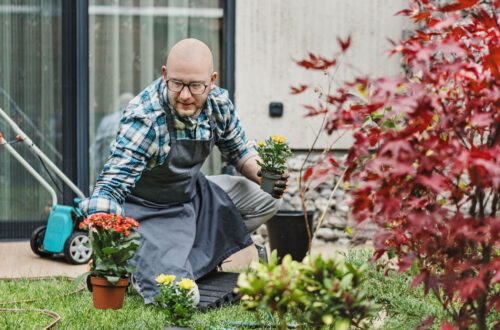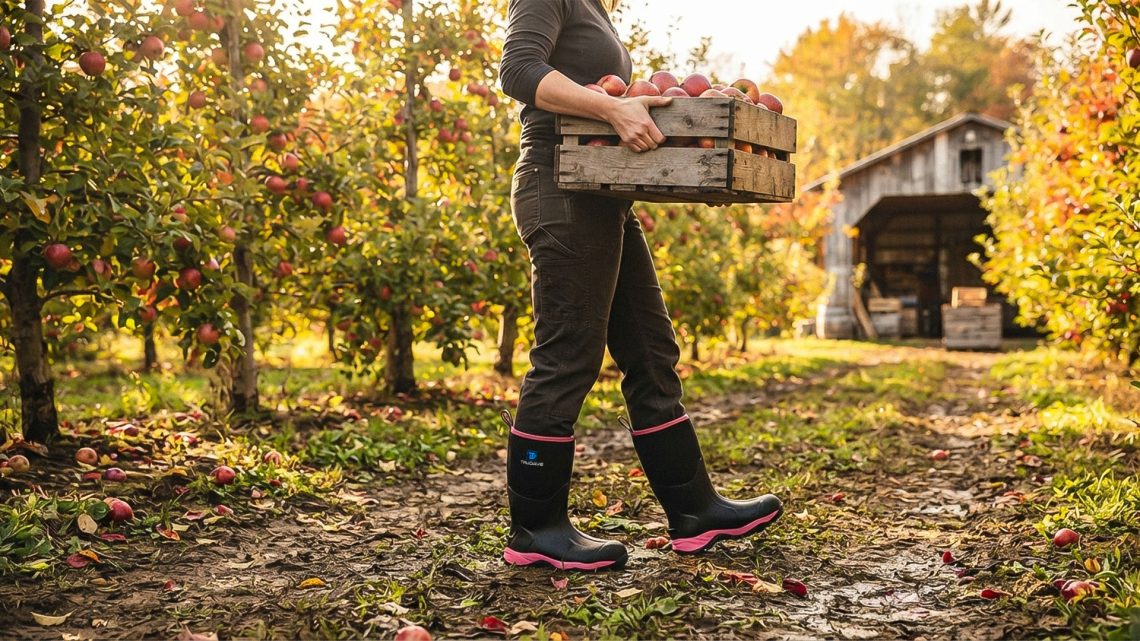
Best Boots for Plant Nursery and Greenhouse Work
Plant nurseries and greenhouse operations combine water, soil, gravel, concrete, irrigation systems, carts, plant containers, outdoor weather, and long walking shifts.
A nursery worker may begin the day watering greenhouse benches, move through damp propagation areas, fill pots with growing media, push plant carts, inspect outdoor container rows, repair irrigation, load customer orders, and finish the shift washing tools and work areas.
Footwear may encounter:
- Wet greenhouse floors.
- Potting soil.
- Irrigation runoff.
- Gravel.
- Mud.
- Mulch.
- Standing water.
- Plant debris.
- Concrete.
- Loading docks.
- Rain.
- Hose water.
That makes waterproof footwear especially useful.
The best boots for plant nursery workers should keep feet dry, provide stable traction across wet greenhouse floors and outdoor nursery yards, remain comfortable during long walking shifts, clean easily, and offer enough support for carrying plants, pushing carts, loading orders, and maintaining irrigation systems.
Nursery Work Is More Physically Demanding Than It Looks
Plant nurseries often appear calm and orderly from the customer side.
Behind the scenes, employees may spend hours:
- Walking.
- Lifting.
- Watering.
- Loading.
- Moving carts.
- Bending.
- Potting plants.
Footwear needs to support all of these tasks.
Waterproofing alone is not enough.
Workers also need:
- Cushioning.
- Secure fit.
- Flexible movement.
- Appropriate tread.
Water Is Everywhere in Greenhouse Operations
Greenhouses and nurseries rely heavily on irrigation.
Workers may encounter water from:
- Overhead sprinklers.
- Drip systems.
- Hand watering.
- Misting.
- Hose work.
- Drainage.
Even on a sunny day, work areas may remain damp.
Fully waterproof boots provide more consistent protection.
Boots for Greenhouse Workers
Greenhouse employees may spend much of the day on:
- Concrete.
- Gravel.
- Weed-control fabric.
- Packed soil.
They need footwear that performs across hard and semi-soft surfaces.
A mid-height waterproof work boot is often more versatile than a deep-lug farm boot.
Boots for Wet Greenhouse Floors
Greenhouse aisles may stay damp after irrigation.
Useful outsole features include:
- Broad floor contact.
- Flexible rubber.
- Moderate grooves.
- Stable heel edges.
Deep mud tread is usually unnecessary indoors.
Humidity Can Keep Floors Damp
High humidity may slow drying.
Workers should expect moisture even when sprinklers are not currently running.
Boots for Propagation Houses
Propagation areas may include:
- Seedling trays.
- Misting systems.
- Heated benches.
- High humidity.
Workers often make many short movements between benches.
Lightweight footwear reduces fatigue.
Boots for Misting Rooms
Misting systems can create constant fine moisture.
Waterproof uppers are useful even when no standing water is present.
Boots for Seedling Crews
Workers handling young plants may spend hours:
- Carrying trays.
- Standing.
- Walking.
Strong cushioning becomes important.
Boots for Plug Production
Large greenhouse operations may produce thousands of plugs.
Employees may move repeatedly between:
- Benches.
- Carts.
- Work tables.
Moderate tread and good heel support work well.
Boots for Potting Crews
Potting areas may contain:
- Soil.
- Peat.
- Bark.
- Perlite.
- Growing media.
Workers need footwear that is easy to clean.
Growing Media Can Pack Into Deep Tread
Complicated outsole patterns may collect:
- Soil.
- Bark.
- Potting mix.
Simple moderate grooves are easier to maintain.
Boots for Potting-Mix Areas
Workers may fill:
- Pots.
- Flats.
- Containers.
They may stand for long periods on concrete.
Supportive midsoles help.
Boots for Soil-Blending Operations
Larger nurseries may prepare their own growing media.
Employees may work around:
- Mixers.
- Conveyors.
- Bulk material.
More structured safety footwear may be required.
Boots for Bark and Mulch Handling
Mulch can lodge inside deep outsole channels.
Open tread is easier to clean.
Boots for Peat-Based Growing Media
Fine material can cling to wet footwear.
Smooth uppers simplify cleanup.
Boots for Container Nurseries
Outdoor nurseries may grow trees, shrubs, and perennials in containers.
Workers may walk between rows on:
- Gravel.
- Fabric.
- Soil.
- Mud.
A mixed-surface waterproof boot is practical.
Boots for Outdoor Container Rows
Watering can leave rows wet throughout the day.
Mid-height waterproof boots offer useful protection.
Boots for Gravel Nursery Yards
Many container nurseries rely heavily on gravel.
Thin rain boots can become uncomfortable after hours.
Strong midsoles improve underfoot comfort.
Boots for Landscape-Fabric Rows
Weed-control fabric may become slick when wet.
Workers should use controlled steps and moderate tread.
Boots for Muddy Nursery Areas
Low spots may become muddy after:
- Rain.
- Irrigation leaks.
- Heavy cart traffic.
More open tread helps release soil.
Best Tread for Nursery Mud
Useful outsole features include:
- Moderate lugs.
- Wider channels.
- Defined heel edges.
- Flexible rubber.
Boots for Tree Nursery Workers
Tree nurseries may involve heavier plants and larger containers.
Workers may lift or move:
- Shrubs.
- Small trees.
- Root balls.
- Large pots.
More supportive work boots may be appropriate.
Boots for Large Container Plants
Heavy pots increase impact and crushing hazards.
Protective-toe footwear may be useful depending on the task.
Boots for Ball-and-Burlap Nursery Work
Some tree nurseries sell field-grown plants with root balls wrapped in burlap.
Workers may encounter:
- Soil.
- Mud.
- Heavy equipment.
- Wire baskets.
Puncture Hazards Can Increase
Wire baskets and fasteners may create puncture risks.
A thick sole is not automatically puncture resistant.
Boots for Digging Crews
Workers may use:
- Shovels.
- Spades.
- Tree-digging equipment.
Strong midsoles help during repeated shovel work.
Boots for Field-Grown Nursery Stock
Workers may walk across:
- Soil.
- Grass.
- Mud.
More outdoor-oriented tread may be useful.
Boots for Shade-House Workers
Shade houses may have:
- Gravel.
- Damp soil.
- Irrigation runoff.
Waterproof mid-height boots are practical.
Boots for Fern and Foliage Nurseries
Dense foliage may hold water from irrigation.
Workers may brush against wet leaves constantly.
Higher boot collars provide useful protection.
Boots for Tropical Plant Nurseries
Warm, humid conditions make heavy insulated boots uncomfortable.
Workers should prioritize:
- Lightweight construction.
- Uninsulated uppers.
- Moisture-wicking socks.
Waterproof Boots Can Still Become Damp Inside
Perspiration may accumulate during humid shifts.
Daily drying is important.
Boots for Succulent Nurseries
Succulent operations may use drier growing conditions but still require:
- Watering.
- Potting.
- Gravel walking.
A lighter waterproof work boot may be sufficient.
Boots for Cactus Nurseries
Workers may encounter sharp plant spines.
Waterproofing does not automatically provide puncture protection.
Durable uppers are especially important.
Boots for Rose Nurseries
Rose workers may move around thorny plants.
Again, ordinary waterproof uppers are not necessarily thorn resistant.
Boots for Perennial Nurseries
Perennial production often involves long outdoor rows.
Workers may face:
- Wet grass.
- Irrigation.
- Mud.
Mid-height waterproof boots work well.
Boots for Annual Bedding Plant Operations
These operations may involve more greenhouse time.
Hard-floor cushioning becomes increasingly important.
Boots for Hanging-Basket Production
Workers may operate around overhead plant systems.
Floors may become wet from drainage.
Waterproof footwear is useful.
Boots for Irrigation Crews
Nurseries may use:
- Drip systems.
- Overhead sprinklers.
- Irrigation booms.
- Hand hoses.
Workers repairing irrigation often enter wet areas.
Boots for Drip-Line Repairs
Workers may kneel around pots or rows.
Flexible forefoot movement improves comfort.
Boots for Overhead Sprinkler Work
Overhead systems may soak:
- Crops.
- Gravel.
- Workers.
More shaft coverage can help.
Boots for Irrigation Boom Maintenance
Large greenhouses may use automated booms.
Technicians may work around:
- Tracks.
- Motors.
- Water lines.
Structured waterproof work boots are practical.
Waterproof Does Not Mean Electrical Protection
Powered irrigation systems may involve electrical equipment.
General waterproof boots are not automatically electrically rated.
Boots for Pump Stations
Larger nurseries may use central pumps.
Workers may encounter:
- Wet concrete.
- Pipes.
- Valves.
- Motors.
A waterproof safety boot may be appropriate.
Boots for Drainage Work
Nursery yards need good water management.
Workers may maintain:
- Drains.
- Ditches.
- Culverts.
Mid-calf waterproof boots are useful.
Boots for Drain Cleaning
Workers may encounter:
- Mud.
- Leaves.
- Potting media.
- Standing water.
Open tread is easier to clean afterward.
Boots for Nursery Cart Workers
Plants are often moved on rolling carts.
Employees may push heavy loads through:
- Greenhouses.
- Outdoor yards.
- Loading areas.
Secure heel fit matters.
Heavy Carts Require Good Underfoot Support
Workers may repeatedly push and pull loaded carts.
Supportive midsoles help reduce fatigue.
Boots for Metal Plant Carts
Workers may operate around wheels and frames.
Protective toes may be useful.
Boots for Greenhouse Bench Workers
Employees may spend long periods standing near benches.
Cushioning is important.
Boots for Bench Cleaning
Water, soil, and plant debris may fall onto floors.
Easy-clean footwear is practical.
Boots for Plant Spacing Crews
Plants often need to be moved farther apart as they grow.
Workers may carry many containers.
Stable heel support improves balance.
Boots for Order-Pulling Crews
Wholesale nurseries may fill large customer orders.
Workers may walk long routes through multiple growing areas.
Lightweight waterproof footwear reduces fatigue.
Boots for Plant Picking
Employees may lift plants from:
- Gravel.
- Fabric.
- Benches.
Versatile tread works well.
Boots for Order-Staging Areas
Orders may be staged on:
- Concrete.
- Gravel.
- Asphalt.
Mixed-surface support is useful.
Boots for Loading Crews
Nursery workers may load plants onto:
- Trucks.
- Trailers.
- Delivery vans.
Heavy containers and carts increase safety demands.
Safety-Toe Boots for Nursery Loading
Protective toes may be appropriate around:
- Pallets.
- Forklifts.
- Large pots.
- Carts.
- Loading equipment.
Boots for Forklift Operators
Forklifts may move:
- Pallets.
- Potting media.
- Large plants.
Drivers need:
- Good pedal control.
- Secure heel fit.
- Moderate outsole thickness.
Boots for Skid Steer Operators
Some nurseries use skid steers for:
- Soil.
- Mulch.
- Heavy plants.
Equipment operators need stable control.
Boots for Delivery Drivers
Nursery delivery workers may travel to:
- Landscapers.
- Garden centers.
- Homes.
- Construction sites.
A mid-height waterproof work boot is versatile.
Boots for Landscape-Site Deliveries
Delivery surfaces may include:
- Mud.
- Gravel.
- Lawn.
- Concrete.
Mixed-surface tread works well.
Boots for Garden Center Workers
Retail nursery employees may spend time both indoors and outdoors.
They need footwear that balances:
- Waterproofing.
- Appearance.
- Hard-floor comfort.
Public-Facing Footwear Matters
Smooth waterproof uppers are easier to wipe clean before interacting with customers.
Boots for Plant Watering Crews
Retail garden centers may water plants throughout the day.
Frequent hose use can keep floors wet.
Boots for Customer Loading Areas
Employees may help customers load:
- Bags.
- Plants.
- Pots.
Protective toes may be appropriate for heavier tasks.
Boots for Nursery Warehouses
Warehouses may store:
- Pots.
- Fertilizer.
- Irrigation supplies.
- Packaging.
Workers may spend long hours on concrete.
Hard-floor cushioning matters.
Boots for Pot Storage Areas
Large plastic or ceramic pots may be stacked.
Workers should use stable footwear while handling them.
Boots for Ceramic Pot Areas
Heavy containers increase impact hazards.
Safety footwear may be useful.
Boots for Fertilizer Storage
Nurseries may store plant nutrients.
Chemical exposure requires additional consideration.
Waterproof Does Not Mean Chemical Resistant
Workers handling fertilizers or concentrated products should follow:
- Product labels.
- SDS guidance.
- Employer PPE procedures.
Boots for Fertilizer Application
Some employees apply nutrients through:
- Irrigation.
- Granular spreading.
- Mixing systems.
Footwear should match actual chemical exposure.
Boots for Pesticide Application
Nurseries may use:
- Insecticides.
- Fungicides.
- Herbicides.
General waterproof boots should not automatically be considered adequate PPE.
Boots for Crop Scouting
Workers may inspect plants for:
- Pests.
- Disease.
- Water stress.
- Nutrient issues.
They may cover long distances.
Lightweight waterproof boots are useful.
Boots for Pruning Crews
Shrubs and trees may require trimming.
Workers may move through:
- Wet foliage.
- Gravel.
- Soil.
Durable waterproof uppers work well.
Boots for Hedge and Shrub Production
Dense foliage may transfer water onto footwear.
Mid-height boots provide better protection.
Boots for Plant-Staking Crews
Nursery plants may use:
- Stakes.
- Ties.
- Wire.
Puncture hazards should be considered.
Boots for Trellis Systems
Climbing or vining plants may require support structures.
Workers may handle wire and hardware.
Boots for Plant Labeling Crews
Even lighter nursery jobs may require long walking routes.
Cushioning and low boot weight help.
Boots for Inventory Crews
Workers may scan or count plants across large properties.
Waterproof footwear is useful when rows remain wet.
Boots for Nursery Maintenance Workers
Nursery facilities require maintenance of:
- Pumps.
- HVAC.
- Vehicles.
- Greenhouses.
- Irrigation.
These workers may need more industrial footwear.
Boots for Greenhouse Structure Maintenance
Workers may handle:
- Metal frames.
- Fasteners.
- Panels.
Protective and puncture-resistant footwear may be appropriate.
Boots for Shade-Cloth Maintenance
Workers may use ladders or platforms.
Moderate outsole thickness provides better rung control.
Boots for Greenhouse Roof Repair
Elevated work requires specialized fall-protection procedures.
Footwear is only one part of the safety system.
Boots for Equipment Mechanics
Nurseries may maintain:
- Tractors.
- Forklifts.
- Pumps.
- Carts.
Mechanics may encounter:
- Oil.
- Grease.
- Hydraulic fluid.
Waterproof Does Not Mean Oil Resistant
Maintenance workers should verify outsole properties separately.
Boots for Hydraulic Repairs
Equipment leaks may create slippery surfaces.
Oil-resistant footwear may be useful.
Boots for Welding and Fabrication
Standard waterproof boots are not automatically suitable for:
- Sparks.
- Hot metal.
Task-specific PPE should be used.
Boots for Greenhouse Washdown
Growing areas may require periodic deep cleaning.
Workers may use:
- Hoses.
- Scrubbers.
- Pressure washers.
Mid-calf waterproof boots provide useful splash coverage.
Pressure Washing Safety
Waterproof boots protect against ordinary splash.
They do not protect against direct high-pressure spray.
Boots for Sanitation Crews
Nurseries may sanitize:
- Trays.
- Benches.
- Tools.
- Floors.
Easy-clean footwear is practical.
Waterproof Does Not Mean Sanitizer Resistant
Chemical compatibility should be checked when concentrated products are used.
Boots for Tray-Washing Areas
Propagation trays may be washed in dedicated areas.
These zones may stay wet.
Boots for Pot-Washing Areas
Reusable containers may also require washing.
Mid-height rubber boots work well.
Boots for Plant Waste Handling
Nurseries generate:
- Leaves.
- Stems.
- Dead plants.
- Potting media.
Workers may move organic waste to compost or dumpsters.
Boots for Compost Areas
Outdoor compost zones may become muddy.
More outdoor-oriented tread is useful.
Boots for Dumpster Areas
Workers may encounter:
- Rain.
- Debris.
- Wet pavement.
Protective footwear may be appropriate.
Boots for Seasonal Spring Rush
Spring is often the busiest nursery season.
Workers may spend especially long hours:
- Walking.
- Loading.
- Watering.
Comfort becomes critical.
Boots for Rainy Spring Conditions
Spring weather may bring frequent:
- Rain.
- Mud.
- Wet gravel.
Fully waterproof boots become especially valuable.
Boots for Summer Nursery Work
Summer can be hot and humid.
Workers should avoid unnecessary insulation.
Useful features include:
- Lightweight construction.
- Moisture-wicking socks.
- Moderate shaft height.
Boots for Fall Nursery Work
Fall may involve:
- Cooler rain.
- Mud.
- Tree and shrub sales.
Moderate waterproof coverage remains useful.
Boots for Winter Nursery Operations
Some facilities remain active through:
- Snow.
- Slush.
- Freezing rain.
Outdoor workers may need insulated waterproof boots.
Ice Requires Separate Traction Measures
No ordinary work boot completely eliminates ice risk.
Approved traction devices may be needed.
Boots for Slush
Mid-calf waterproof boots provide useful protection.
Boots for Frozen Gravel
Winter gravel yards can become hard and uneven.
Supportive midsoles and ankle control help.
Boots for Storm Cleanup
Severe weather may damage:
- Greenhouses.
- Trees.
- Shade structures.
- Irrigation.
Workers may encounter sharp debris.
More protective footwear may be required.
Boots for Broken Greenhouse Panels
Damaged materials may create:
- Sharp plastic.
- Glass.
- Metal.
Puncture-resistant footwear may be appropriate.
Boots for Wind-Damaged Nursery Stock
Heavy branches or tipped containers may require stronger protective footwear.
Chainsaw Work Requires Specialized Protection
General waterproof boots should not automatically be used for chainsaw tasks.
Boots for Long Nursery Shifts
Workers may spend most of the day:
- Standing.
- Walking.
- Carrying.
- Pushing carts.
Footwear comfort has a major effect on fatigue.
Boot Weight Matters
Heavy boots increase energy use across long routes.
Cushioning Matters Across Gravel and Concrete
Nursery employees may move repeatedly between:
- Soft ground.
- Gravel.
- Concrete.
Supportive midsoles help across all surfaces.
Heel Retention Matters in Wet Rows
Secure fit reduces internal movement.
Ankle Support Matters Around Ruts and Gravel
Outdoor yards can be uneven.
Forefoot Flexibility Helps Potting and Harvest Work
Workers repeatedly:
- Bend.
- Kneel.
- Crouch.
- Lift.
Flexible footwear improves comfort.
Toe Room Matters During Long Shifts
Feet may swell.
Enough toe space improves comfort.
Best Socks for Nursery Workers
Synthetic and wool-blend socks generally perform better than cotton.
Useful features include:
- Moisture wicking.
- Quick drying.
- Heel cushioning.
- Temperature regulation.
Spare Socks Can Be Useful
Heavy irrigation or rain may occasionally allow water over the boot collar.
A dry replacement pair helps.
Removable Insoles Improve Daily Use
Replaceable footbeds allow workers to:
- Dry footwear.
- Restore cushioning.
- Improve hygiene.
- Adjust support.
Easy-Clean Construction Saves Time
Nursery boots may collect:
- Soil.
- Bark.
- Leaves.
- Fertilizer residue.
- Gravel dust.
Smooth waterproof uppers simplify cleaning.
How to Clean Plant Nursery Work Boots
A practical routine may include:
- Remove soil and potting mix.
- Brush mulch and bark from tread.
- Rinse ordinary irrigation residue.
- Remove leaves and plant debris.
- Follow PPE procedures after chemical exposure.
- Remove damp insoles.
- Allow boots to dry completely.
Soil Should Be Removed Before It Hardens
Dried potting mix can pack deeply into tread channels.
Plant Debris Should Be Cleared Regularly
Leaves and stems may reduce usable outsole contact.
How to Dry Nursery Work Boots
After wet work:
- Remove insoles.
- Open the boots fully.
- Allow airflow.
- Use low-temperature drying if approved.
Avoid excessive direct heat.
Rotating Two Pairs Can Help Full-Time Workers
Daily watering and washdown may keep footwear damp.
Alternating pairs provides more drying time.
When Nursery Work Boots Should Be Replaced
Replace footwear when:
- Waterproofing fails.
- Tread becomes badly worn.
- Rubber cracks.
- Outsole separation develops.
- Heel support collapses.
- Puncture damage occurs.
- Safety components are compromised.
- Cushioning becomes ineffective.
Do Plant Nursery Workers Need Safety-Toe Boots?
Some roles may require protective toes around:
- Forklifts.
- Large pots.
- Pallets.
- Heavy plants.
- Maintenance equipment.
Routine watering or scouting roles may have different requirements.
Do Nursery Workers Need Puncture-Resistant Boots?
Puncture protection may be useful around:
- Wire.
- Stakes.
- Nails.
- Broken greenhouse materials.
Are Rubber Boots Good for Nursery Work?
Yes. Rubber boots are especially practical for:
- Irrigation.
- Wet greenhouse floors.
- Washdown.
- Muddy outdoor rows.
Workers who walk long distances should also prioritize cushioning and low weight.
Common Mistakes When Buying Nursery Work Boots
Buying Heavy Mud Boots for Every Greenhouse Worker
Indoor employees usually benefit from lighter footwear.
Wearing Low Shoes Through Wet Plant Rows
Irrigation can soak them quickly.
Choosing Deep Tread for Concrete Greenhouses
Aggressive lugs can trap potting media and feel awkward indoors.
Wearing Boots Too Loose While Pushing Plant Carts
Secure heel fit improves control.
Ignoring Gravel Cushioning
Outdoor nursery workers may spend hours on crushed stone.
Choosing Tall Rubber Boots for Forklift Drivers
Pedal control may become less comfortable.
Assuming Waterproof Means Chemical Resistant
Fertilizers and pesticides may require specialized PPE.
Letting Soil and Bark Build Up in Tread
Debris can make footwear harder to clean and reduce traction.
How to Choose the Best Boots for Plant Nursery Work
Start with the worker’s primary responsibilities.
For greenhouse workers, prioritize:
- Lightweight waterproof construction.
- Hard-floor cushioning.
- Moderate easy-clean tread.
- Flexible movement.
For outdoor container crews, prioritize:
- Mixed-surface traction.
- Ankle support.
- Waterproof coverage.
For irrigation workers, prioritize:
- More shaft coverage.
- Mud release.
- Easy-clean uppers.
For loading crews, prioritize:
- Safety protection.
- Strong midsoles.
- Durable construction.
For forklift and equipment operators, prioritize:
- Pedal control.
- Moderate outsole thickness.
- Secure heel fit.
For maintenance technicians, prioritize:
- Safety ratings.
- Oil, puncture, electrical, or chemical protection appropriate to the actual task.
Workers comparing waterproof footwear from brands such as Trudave Gear should choose boots according to the actual combination of wet greenhouse floors, gravel yards, irrigation, potting soil, plant carts, loading operations, and long nursery shifts involved in their work.
Frequently Asked Questions
What are the best boots for plant nursery work?
The best nursery boots are waterproof, comfortable for long walking shifts, securely fitted, easy to clean, and equipped with traction suitable for wet greenhouse floors, gravel, soil, and outdoor growing areas.
Are rubber boots good for plant nurseries?
Yes. Rubber boots are especially useful for irrigation work, rainy outdoor rows, greenhouse washdown, mud, and wet plant-production areas.
How tall should nursery work boots be?
Mid-height boots work well for many greenhouse and retail roles. Mid-calf boots may be better for irrigation, mud, and heavy washdown.
What boots are best for wet greenhouse floors?
Waterproof boots with broad outsole contact, flexible rubber, moderate grooves, secure heel support, and good cushioning are practical.
Are deep-lug boots good inside greenhouses?
Usually not. Deep outdoor tread can trap potting soil and bark and may feel less stable on concrete and metal platforms.
What boots are best for outdoor nursery workers?
Waterproof mixed-surface boots with supportive midsoles, moderate outdoor tread, secure heel fit, and ankle support work well.
Do nursery workers need safety-toe boots?
Some forklift, pallet, large-pot, loading, warehouse, and maintenance jobs may require protective-toe footwear.
Are waterproof nursery boots suitable for pesticide work?
Not automatically. Workers should follow PPE requirements for the specific agricultural product being used.
What boots are best for nursery irrigation workers?
Mid-height or mid-calf waterproof boots with easy-clean uppers, mud-release tread, flexible movement, and good underfoot support are practical.
How should nursery work boots be cleaned?
Remove potting soil, bark, leaves, and plant debris, clean tread grooves, follow procedures after chemical exposure, and allow the footwear to dry completely.
Final Thoughts
Plant nursery and greenhouse work combines wet floors, irrigation, potting soil, gravel yards, plant carts, container plants, outdoor weather, loading operations, sanitation, and long walking shifts.
The best footwear depends on the worker’s actual role.
Greenhouse employees need lightweight waterproof boots with good concrete cushioning.
Outdoor nursery crews benefit from stronger mixed-surface traction.
Irrigation workers need more waterproof coverage.
Loading crews may require additional safety protection.
Forklift operators need reliable pedal control.
Maintenance technicians may require more specialized industrial protection.
Trudave Gear offers waterproof outdoor and work footwear suited to rain, wet greenhouse floors, mud, gravel, agricultural work, loading areas, and demanding daily outdoor environments.
Choosing footwear according to the actual nursery task can help workers stay drier, reduce fatigue, maintain better footing, and remain more comfortable from the first greenhouse watering round in the morning to the final plant order loaded onto a delivery truck at the end of the day.


You May Also Like
Best Boots for Wheat Farm Work: Waterproof Footwear for Grain Fields, Harvesting, Mud, and Long Farm Days
Best Boots for Septic Tank and Drain Field Service Work