How to Attract Pollinators to Your Garden: A Guide to Boosting Biodiversity
Pollinators are essential to the health of our ecosystems, agriculture, and the environment. From bees and butterflies to hummingbirds and bats, these busy creatures are responsible for the pollination of approximately 75% of flowering plants and 35% of global food crops. Without them, we would lose much of the diversity of food and flowers that we cherish. Fortunately, attracting pollinators to your garden is easier than you might think, and it benefits not only these creatures but also your plants, producing a more vibrant and bountiful garden.
In this guide, we’ll explore how to create a pollinator-friendly garden with the right plants, practices, and environment, all while enhancing your garden’s biodiversity.
1. Choose Pollinator-Friendly Plants
The foundation of any successful pollinator garden starts with the right plants. Pollinators are attracted to specific flowers that offer both nectar and pollen, so choosing a variety of plants that bloom at different times throughout the year is crucial. Here are some tips on selecting plants:
Why It Matters:
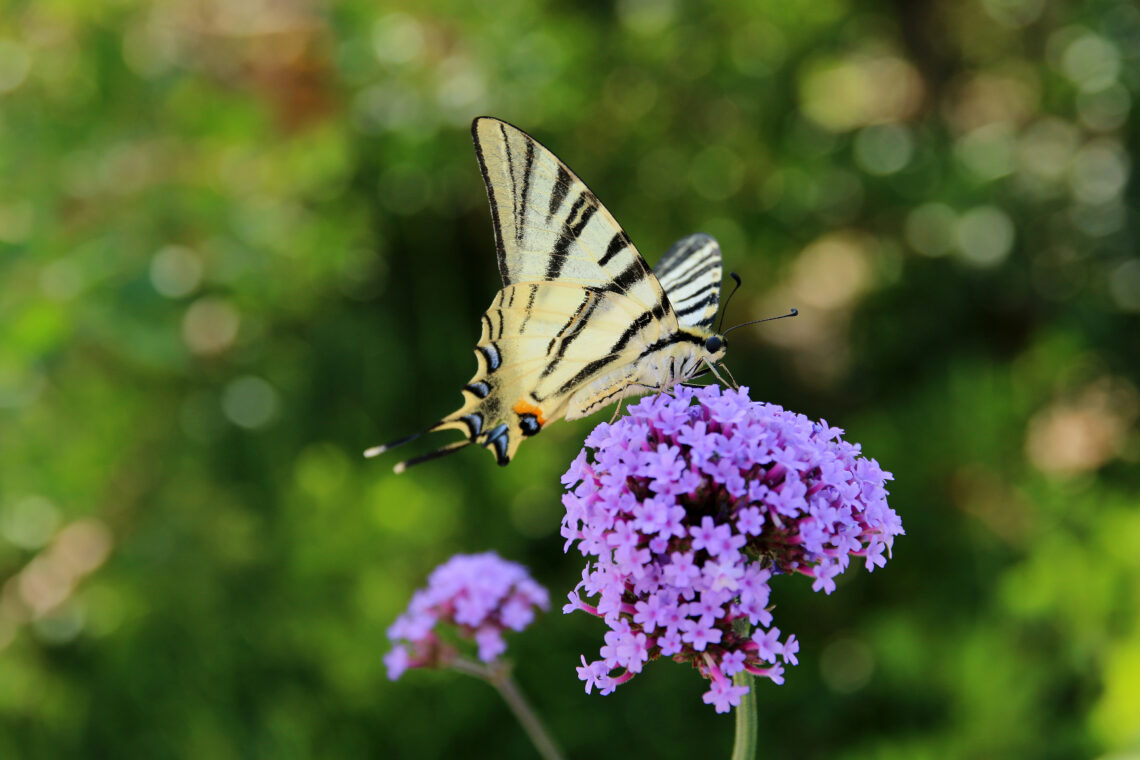
Different pollinators are attracted to different flowers based on color, shape, and scent. For instance, bees prefer blue, purple, and yellow flowers, while butterflies are drawn to bright-colored blooms. Hummingbirds are attracted to tubular flowers, such as trumpet vines, because their long beaks can easily access the nectar.
How to Choose:
- Native Plants: Native plants are the best choice because they have evolved alongside local pollinators, making them the most reliable source of food. They also tend to be easier to grow and more resilient in your local climate. Consider plants like Echinacea, Bee Balm, Milkweed, Black-eyed Susans, and Goldenrod for bees, butterflies, and other insects.
- Plant a Variety: Include plants that attract different types of pollinators. For bees, choose sunflowers, lavender, and wild bergamot. For butterflies, consider planting lantana, butterfly bush, and zinnias. Hummingbirds will love trumpet vines, bee balm, and salvias.
- Seasonal Blooms: A pollinator-friendly garden should offer a continuous food source throughout the year. Plant a mix of early, mid-season, and late-blooming plants to provide nectar from spring through fall.
2. Provide Water Sources
Just as plants need water to thrive, pollinators do too. Bees, butterflies, and other pollinators require water to hydrate and regulate their body temperatures, especially during the warmer months. Having a water source in your garden can be a major draw for these important creatures.
Why It Matters:
Pollinators need access to clean water, but unlike us, they are unable to drink directly from a pond or water bowl. The water must be shallow, with easy access to prevent drowning.
How to Provide Water:
- Shallow Water Basin: Use a shallow dish or birdbath with small pebbles or marbles to provide a stable surface where pollinators can land and drink safely. Make sure to change the water regularly to keep it fresh.
- Wet Soil: Some pollinators, especially butterflies, enjoy sipping from wet patches of soil. You can create a muddy area in your garden by lightly dampening the soil in a sunny spot.
- Rain Garden: If you have space, consider adding a rain garden to collect runoff and create a natural water source for pollinators.
3. Create Shelter and Nesting Spaces
Pollinators need safe spaces to rest, nest, and reproduce. By incorporating shelter into your garden, you’ll create a more welcoming environment for them to thrive. These spaces will help ensure that pollinators return to your garden year after year.
Why It Matters:
Pollinators, particularly bees, need places to nest and protect their young. For instance, certain species of solitary bees nest in bare soil or hollowed-out plants. Butterflies, on the other hand, require tall grasses or shrubs to roost and lay eggs.
How to Provide Shelter:
- Nesting Boxes: Consider installing bee hotels or nesting boxes for solitary bees. These structures mimic the natural habitats where bees would nest, such as hollow stems or decaying wood.
- Leave Some Unmowed Areas: Letting some areas of your garden remain wild and untidy can provide crucial nesting spots for pollinators. Bees often nest in undisturbed soil or in the stems of old plants.
- Plant Shrubs and Tall Grasses: Tall grasses and shrubs offer protection for butterflies and other pollinators. These plants also serve as windbreaks, helping pollinators avoid strong winds.
- Deadwood: Leave some logs, sticks, and branches in your garden. Many pollinators, especially beetles, use these materials for shelter.
4. Avoid Pesticides and Chemicals
While it might be tempting to use pesticides to keep pests under control, they are harmful to pollinators and can reduce the diversity of insects in your garden. Pesticides are one of the main threats to pollinators, particularly bees, and can kill them directly or contaminate their food sources.
Why It Matters:
Chemicals used to control pests don’t just affect the target species—they also harm beneficial insects. In fact, studies have shown that certain pesticides can disrupt the navigation, foraging, and reproduction of bees and other pollinators.
How to Avoid Harm:
- Use Organic Methods: Consider using organic pest control methods like neem oil, insecticidal soap, or diatomaceous earth. These options are less harmful to pollinators.
- Apply Pesticides at Night: If you must use pesticides, apply them at night when pollinators are less active. This minimizes the exposure to bees and butterflies during their active hours.
- Attract Beneficial Insects: Introduce natural predators such as ladybugs and lacewings to your garden to help keep pest populations in check.
5. Create a Diverse Garden Ecosystem
Diversity is key to creating a thriving pollinator garden. The more plant species and varieties you have, the more pollinators your garden can support. A diverse garden will also help maintain ecological balance, attracting a wide range of insects, birds, and other beneficial creatures.
Why It Matters:
Pollinators are not just limited to bees and butterflies. Birds, bats, and even small mammals play a role in pollination. A diverse garden ensures that a variety of pollinators have a source of food and shelter.
How to Create Diversity:
- Mix Plant Types: Combine trees, shrubs, herbs, flowers, and vegetables. This will not only attract different types of pollinators, but it will also benefit your garden’s overall health and productivity.
- Use Companion Planting: Some plants naturally attract pollinators while others repel pests. By incorporating companion planting into your garden, you can help create a harmonious environment for both plants and pollinators.
- Plant for All Pollinators: Don’t just focus on one type of pollinator. Hummingbirds, butterflies, and bees all require different types of plants, so make sure your garden caters to each.
Conclusion: A Pollinator-Friendly Garden for the Future
Attracting pollinators to your garden isn’t just about creating a beautiful space—it’s about supporting biodiversity and ensuring the health of our ecosystems. By choosing the right plants, providing water, sheltering pollinators, avoiding harmful chemicals, and creating a diverse garden, you’ll help support these vital creatures while enjoying the beauty and bounty they bring to your garden.
Start small, and over time, your garden can become a pollinator haven that attracts bees, butterflies, and hummingbirds. With just a little bit of care and attention, you can make a significant impact on the environment and contribute to the preservation of pollinators for generations to come. Happy gardening!