Methane from Grassfed vs Grain-fed Cattle: Understanding the Environmental Impact
The debate over the environmental impact of livestock farming has grown in recent years, particularly with regards to methane emissions. Methane, a potent greenhouse gas, is a byproduct of cattle digestion, and as awareness of climate change intensifies, understanding the sources of methane has become more important. While both grassfed and grain-fed cattle produce methane, the quantity and overall environmental implications differ significantly between the two farming systems. This article will explore the factors that contribute to methane emissions from both grassfed and grain-fed cattle and what this means for the environment and sustainability in agriculture.
The Basics of Methane Emissions in Cattle
Methane is produced during the digestion process of ruminant animals, like cattle, through a process known as enteric fermentation. Ruminants have a specialized stomach with multiple compartments, including the rumen, where microbes break down plant material. During this fermentation process, methane is released as a byproduct and expelled by the animal, typically through belching. This is the primary source of methane emissions in cattle farming.
While methane is a natural part of the digestive process for ruminants, the amount of methane emitted can vary depending on several factors, including the animal’s diet, age, breed, and health, as well as how the land is managed. This is where the differences between grassfed and grain-fed cattle come into play.
Grassfed Cattle: The Traditional Approach
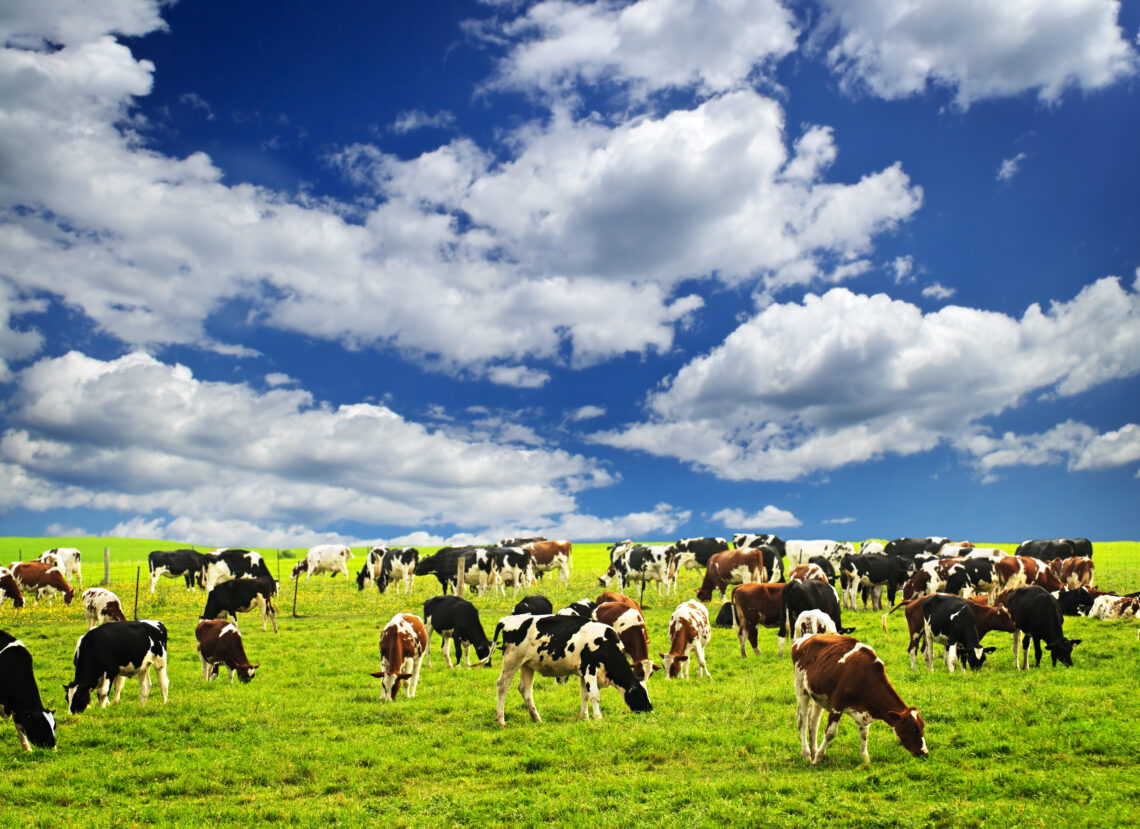
Grassfed cattle are raised on a diet of primarily grass and other forage, with access to pasture for the majority of their lives. This method is considered more natural and in many cases, is associated with lower inputs and more sustainable land management practices. However, when it comes to methane emissions, grassfed cattle tend to produce more methane per unit of beef compared to grain-fed cattle.
The reason for this is that grasses and other forage have a higher fiber content than grains, which takes longer to break down and ferment in the rumen. This extended fermentation process means that more methane is produced. Additionally, grass-fed cattle tend to grow slower and take longer to reach market weight, which increases the overall time they spend on pasture and contributes to a greater cumulative methane output.
Grain-fed Cattle: The Industrial Approach
Grain-fed cattle, on the other hand, are typically raised in feedlots, where their diet consists mainly of concentrated feed, including grains like corn, soybeans, and other high-energy foods. This diet is designed to promote rapid weight gain, allowing cattle to reach market size more quickly. The faster growth rate means that grain-fed cattle spend less time on the farm, which could lead to a reduction in the total methane they produce.
One of the main reasons grain-fed cattle emit less methane per unit of beef is that grains are more easily digestible compared to grasses. This means that there is less fermentation happening in the rumen, and consequently, less methane is produced. Grain-fed cattle also tend to have higher efficiency in converting feed into body weight, meaning less feed is required for the same amount of meat production, leading to fewer methane emissions.
However, it’s important to note that the grain-fed cattle industry relies heavily on feedlot systems, which can have their own environmental challenges, such as poor manure management, water usage, and the overall sustainability of the grain production process.
Methane Emissions Comparison: Grassfed vs. Grain-fed
The key difference between grassfed and grain-fed cattle when it comes to methane emissions is the total amount of methane produced per unit of beef. Grassfed cattle tend to emit more methane per kilogram of beef produced because of their longer time spent on pasture and their diet of high-fiber grasses. However, because grassfed cattle are often raised in systems that focus on regenerative agriculture practices, including rotational grazing and pasture management, the carbon footprint of their farming system may be lower overall. These systems can promote carbon sequestration in the soil, which can offset some of the methane emissions produced by the cattle.
In contrast, grain-fed cattle typically produce less methane per kilogram of beef due to their more easily digestible diet and faster growth rates. However, the environmental footprint of grain-fed beef may be higher in other areas, such as land use, water consumption, and the production and transportation of feed. Moreover, the emissions associated with feedlot operations and the fossil fuel inputs required for grain farming and transportation add another layer of environmental impact to the grain-fed system.
Sustainability Considerations: Looking Beyond Methane
While methane emissions are a significant factor in assessing the environmental impact of cattle farming, it’s important to look at the broader picture when comparing grassfed and grain-fed beef. Both farming systems have their pros and cons, and the decision on which is more sustainable depends on the goals and practices of the individual farm.
- Soil Health and Carbon Sequestration (Grassfed)
Grassfed cattle systems, especially those employing regenerative grazing practices, can promote soil health and carbon sequestration. Properly managed pastures allow for the storage of carbon in the soil, which can offset a portion of the methane emissions produced by the cattle. These practices can also help maintain healthy ecosystems, promote biodiversity, and reduce the need for chemical fertilizers. - Feedlot Efficiency and Land Use (Grain-fed)
Grain-fed cattle systems are often more efficient in terms of land use. Because grain-fed cattle grow faster, they require less land to produce the same amount of beef. However, this system also places a heavy reliance on large-scale grain production, which can lead to land degradation, overuse of water resources, and the environmental consequences associated with monocropping. - Manure Management and Waste (Both Systems)
Both grassfed and grain-fed cattle contribute to manure production, which must be managed carefully to prevent nutrient runoff and pollution. In grain-fed systems, concentrated manure management can be a challenge, particularly in feedlot settings where large volumes of waste accumulate in confined spaces. In contrast, grassfed systems can integrate manure into the soil, improving soil fertility and reducing the need for synthetic fertilizers.
Conclusion: What Is the Best Option for the Environment?
When evaluating methane emissions from grassfed versus grain-fed cattle, it’s clear that both systems have trade-offs. Grassfed cattle may produce more methane per unit of beef due to their diet and slower growth rates, but they are often part of more sustainable farming systems that contribute to soil health and carbon sequestration. Grain-fed cattle tend to emit less methane due to their high-efficiency feed systems, but they also require significant inputs of grain, water, and land, which can have their own environmental costs.
Ultimately, the best choice depends on sustainable management practices, including grazing strategies, feed sourcing, and the integration of regenerative agricultural techniques. Land management decisions, the location of farming operations, and consumer preferences for beef will all play a role in determining the overall environmental impact of cattle production. As consumers, understanding the complexities of cattle farming and the environmental costs of the beef we eat can help guide our choices toward more sustainable practices.