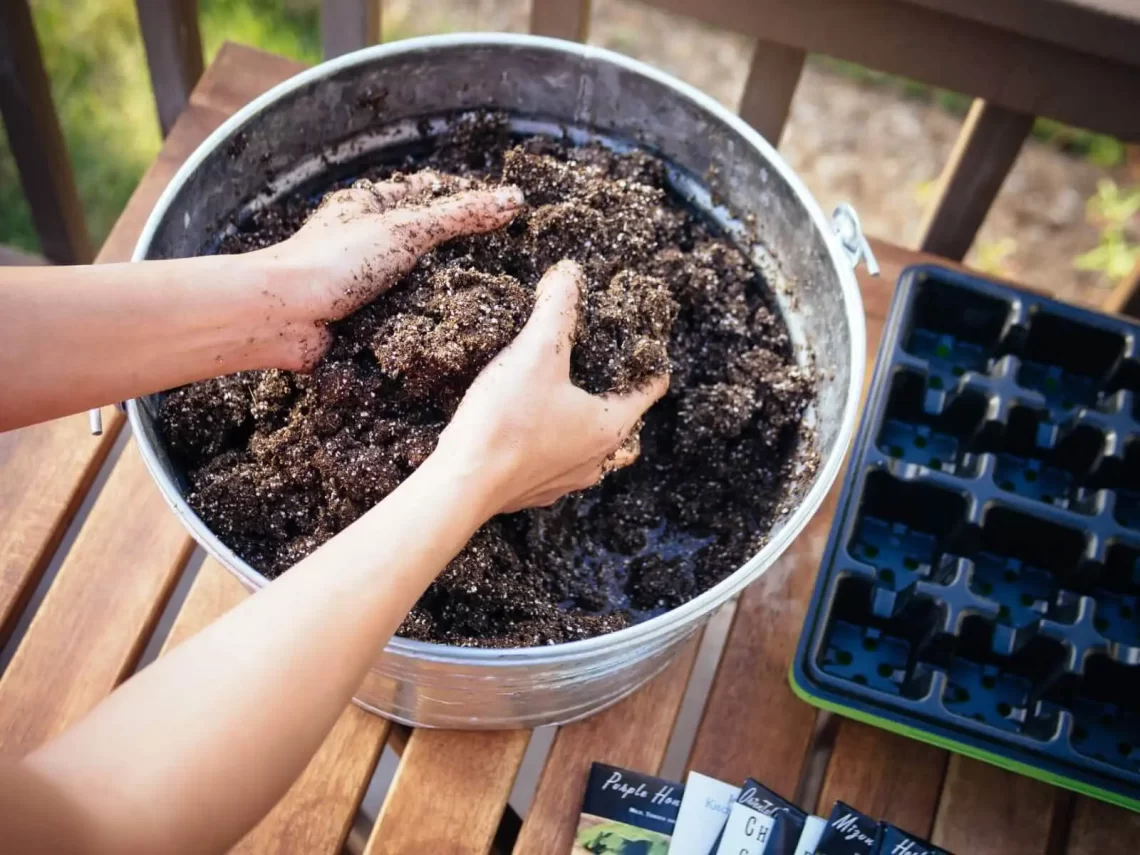
Make the best seed starting mix for dirt cheap
Creating an effective, budget-friendly, and organic seed starting mix at home is both simple and rewarding. By crafting your own mix, you ensure your seedlings receive optimal nutrients from the start, setting the stage for a thriving garden. Here’s a detailed guide to help you make the best seed starting mix without breaking the bank.
Why Make Your Own Seed Starting Mix?
Commercial seed starting mixes can be pricey and may contain unwanted additives. By making your own, you:
- Save Money: Purchasing individual components in bulk often costs less than pre-made mixes.
- Ensure Organic Integrity: You control the ingredients, ensuring they’re organic and free from harmful chemicals.
- Customize for Your Needs: Tailor the mix to suit specific plant requirements or local growing conditions.
Essential Components of a Seed Starting Mix
A quality seed starting mix should be:
- Lightweight and Well-Draining: Prevents waterlogging and promotes healthy root development.
- Moisture-Retentive: Keeps seeds consistently moist for optimal germination.
- Nutrient-Rich: Provides essential nutrients to young seedlings.
Basic DIY Seed Starting Mix Recipe
This simple recipe uses three primary ingredients:
- Coco Coir or Sphagnum Peat Moss (1 part): Both materials are excellent for retaining moisture while ensuring the mix remains lightweight. Coco coir is a sustainable choice made from coconut husks, whereas peat moss is harvested from peat bogs and is slightly more acidic.
- Perlite (1 part): A volcanic mineral that enhances drainage and aeration, preventing soil compaction.
- Vermiculite (1 part): A mineral that aids in moisture retention and nutrient exchange, ensuring seeds have consistent access to water.
Optional:
- Worm Castings (Handful): Rich in nutrients, worm castings provide essential minerals and beneficial microbes, promoting robust seedling growth.
Instructions:
- Combine Ingredients: In a large container, mix equal parts of coco coir (or peat moss), perlite, and vermiculite. If using worm castings, add a handful to the mixture.
- Moisten the Mix: Gradually add water to the blend, stirring continuously, until it’s damp but not waterlogged. The ideal consistency is when the mix holds together when squeezed but doesn’t release excess water.
- Fill Seed Trays or Pots: Place the moistened mix into your chosen seed-starting containers, ensuring there are no air pockets.
- Sow Seeds: Plant your seeds according to the specific depth and spacing requirements for each plant species.
- Maintain Moisture: After sowing, lightly mist the surface to settle the seeds. Keep the mix consistently moist but not soggy throughout the germination period.
Alternative Enriched Potting Mix for Transplanting
As seedlings grow and require more nutrients, consider this enriched mix for potting up:
- 4 parts Coco Coir or Peat Moss
- 2 parts Organic Compost: Provides a rich nutrient base.
- 1 part Perlite
- 1 part Vermiculite
This blend offers enhanced nutrition, supporting robust growth as seedlings transition to larger pots or outdoor beds.
Tips for Success
- Sterilization: While some gardeners advocate for sterilizing the mix to eliminate pathogens, others believe it can harm beneficial microbes. If you choose to sterilize, methods include baking the mix in the oven or using boiling water.
- Storage: Store unused seed starting mix in an airtight container to keep it fresh and prevent contamination.
- Reuse: If the mix remains disease-free, it can be reused for future seed starting or added to garden beds as a soil amendment.
Conclusion
Crafting your own organic seed starting mix is an economical and effective way to kickstart a successful gardening season. By understanding and controlling the ingredients, you provide your seedlings with the best possible foundation, ensuring a bountiful harvest in the months to come.

