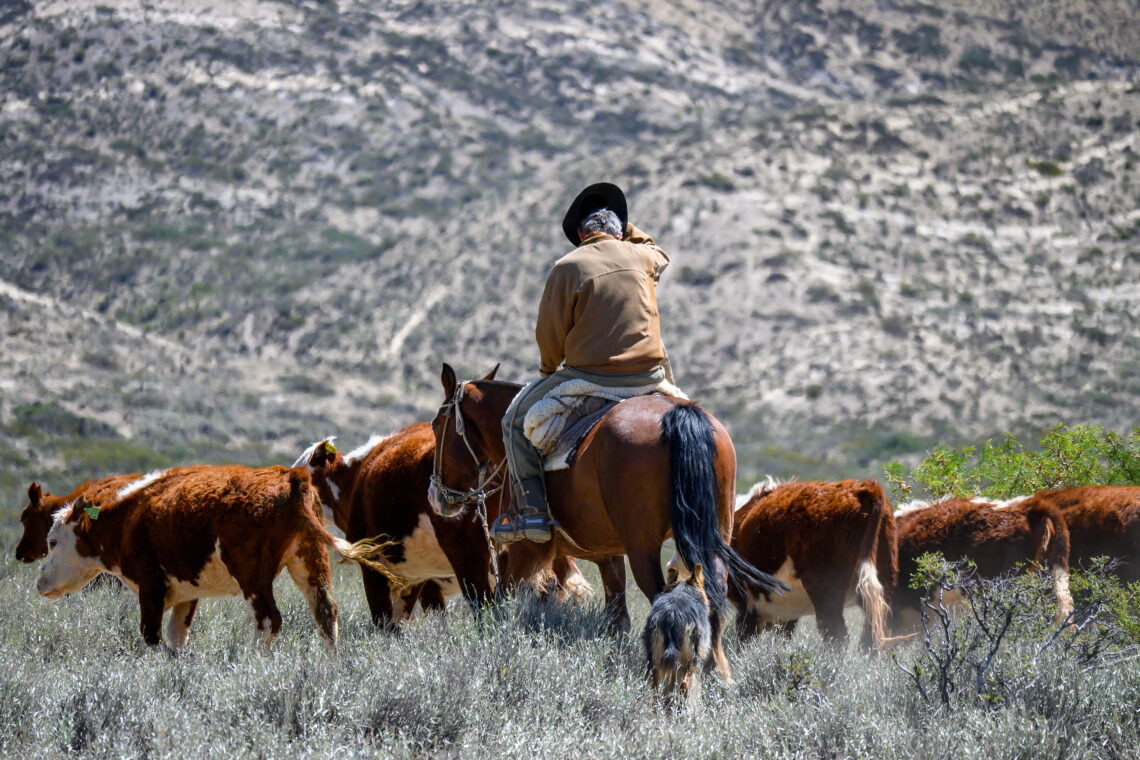
Cow and Calf Grazing Behavior on Rangeland
Grazing behavior in cow-calf pairs plays a crucial role in rangeland ecology, influencing everything from forage utilization to soil health and herd productivity. Understanding how cows and their calves interact with the landscape can help ranchers optimize grazing strategies, improve weight gain, and ensure sustainable land management.
This article explores the grazing patterns, social dynamics, forage preferences, and environmental impacts of cow and calf behavior on rangeland. Whether you’re a rancher or a conservationist, knowing how these animals move, feed, and adapt to their environment is essential for maintaining a healthy, productive, and sustainable rangeland system.
1. Understanding Grazing Patterns in Cow-Calf Pairs
Cows and calves do not graze the same way, and their behavioral differences impact pasture utilization.
How Cows Graze
🐄 Mature cows are selective grazers, meaning they prefer certain grasses and will roam widely to find the best forage. Their grazing behavior follows these key patterns:
✔ Early morning & late afternoon feeding – The cooler parts of the day are when cows graze most actively.
✔ Grazing in cycles – Cows alternate between grazing, ruminating (chewing cud), and resting.
✔ Social grazing – Cows tend to graze in groups for safety and move slowly across the rangeland, choosing areas with the best nutrition.
How Calves Graze
🐮 Calves have a different approach to grazing than adult cows:
✔ Milk before forage – Young calves rely primarily on their mother’s milk, only gradually learning to graze.
✔ Mimicking behavior – Calves observe and imitate their mothers, slowly adopting adult foraging habits.
✔ Shorter grazing bouts – Unlike cows, calves graze in shorter, more frequent bursts since their digestive systems are still developing.
2. Social Dynamics & Mother-Calf Bonding in Grazing
The bond between a cow and her calf significantly influences grazing movement.
Mother-Calf Proximity
👩👧 Cows and their calves stay close together, especially in the first few months.
✔ Newborn calves graze near their mothers for security.
✔ As calves mature, they begin to explore further, but still stay within sight of the herd.
✔ After weaning, calves integrate more fully into the adult grazing herd.
The Role of Dominance in Grazing
🐂 Older, dominant cows often get access to the best forage first.
✔ Low-ranking cows and young calves may be forced to graze in less desirable areas.
✔ This affects weight gain in younger calves and can impact overall herd productivity.
💡 Rancher Tip: Rotational grazing ensures even pasture utilization, preventing dominant cows from overgrazing the best areas while weaker animals struggle.
3. Forage Selection & Grazing Preferences
Understanding what cows and calves prefer to eat is key to managing pasture health.
What Cows Prefer to Eat
🥦 High-protein grasses – Tall fescue, orchardgrass, bromegrass
🌾 Legumes for added nutrition – Alfalfa, clover
🌿 Browse & shrubs in dry areas – Cows will consume some woody plants if grass is limited.
What Calves Prefer to Eat
🍼 Primarily milk (for the first few months)
🌱 Tender shoots & young grass – Easier to chew and digest
🐄 Forage learned from mom – Calves will try what they see their mothers eating.
How Rangeland Conditions Affect Grazing
✔ Drought conditions – Cows graze less selectively and eat lower-quality forage when resources are scarce.
✔ Seasonal variation – Spring pastures offer lush, high-quality grass, while winter grazing requires hay supplementation.
✔ Overgrazing issues – If cows repeatedly graze in the same areas, pasture degradation can occur.
💡 Best Practice: Use rotational grazing and rest periods to allow forage recovery and maintain high-quality pasture.
4. Impact of Grazing Behavior on Rangeland Health
Cattle grazing can either help or harm the rangeland, depending on management practices.
Positive Effects of Grazing
🌾 Stimulates plant growth – Moderate grazing encourages new plant shoots, leading to healthier pastures.
💩 Nutrient recycling – Manure naturally fertilizes the soil.
🌱 Controls invasive plants – Proper grazing can reduce weeds and promote desirable forage species.
Negative Effects of Overgrazing
🚜 Soil compaction – Heavy hoof traffic can damage soil structure.
🌿 Loss of vegetation – Overgrazed pastures can turn into barren land, reducing available forage.
💨 Erosion & water runoff – Lack of plant cover can lead to soil loss and poor water retention.
💡 Best Practice: Implement stocking rate adjustments to prevent overgrazing. Monitor forage availability and cow-calf weight gain to ensure balance.
5. Best Grazing Management Strategies for Cow-Calf Operations
Optimizing grazing behavior maximizes cattle health and maintains rangeland sustainability.
✅ 1. Rotational Grazing
✔ Divide pastures into sections & rotate cows to prevent overgrazing.
✔ Allows pastures to recover and maintains forage quality.
✅ 2. Strategic Water Placement
💧 Cows prefer grazing near water sources. Placing water tanks strategically prevents overgrazing in one area.
✅ 3. Providing Supplemental Feed
🥩 Winter & drought feeding is essential for maintaining weight gain.
🌾 Hay, silage, and protein supplements keep cows and calves healthy.
✅ 4. Monitoring & Record-Keeping
📊 Keep track of:
✔ Grazing patterns & pasture conditions
✔ Weight gain in calves – A good indicator of proper nutrition
✔ Forage availability & regrowth rates
✅ 5. Adapting to Climate Conditions
🌦 Dry season strategies:
✔ Reduce herd size if forage is limited.
✔ Provide shade & water access to minimize heat stress.
❄ Cold season strategies:
✔ Offer high-energy feed for winter nutrition.
✔ Use windbreaks & shelters for weather protection.
Final Thoughts
Understanding cow and calf grazing behavior is essential for successful rangeland management. By recognizing their feeding habits, social interactions, and forage preferences, ranchers can create grazing plans that support both livestock health and pasture sustainability.
By implementing rotational grazing, proper forage management, and strategic supplementation, ranchers can maximize productivity while preserving the rangeland for future generations.
🐄🌾 Sustainable grazing = healthier cattle + healthier land! 🌍🐮

