Gardening for Pollinators: Attracting Bees and Butterflies to Your Farm
Creating a vibrant, thriving farm means more than just growing healthy crops. Pollinators, such as bees and butterflies, play an essential role in your farm’s ecosystem, helping to fertilize flowers and ensure the successful production of fruits, seeds, and vegetables. A well-designed pollinator-friendly garden not only benefits your plants but also contributes to biodiversity, boosts crop yields, and supports environmental sustainability. By following a few simple gardening strategies, you can attract these invaluable creatures and transform your farm into a flourishing haven for pollinators.
1. Understand the Importance of Pollinators
Pollinators are crucial for about one-third of the world’s food supply, and without them, many crops, including fruits, vegetables, and nuts, would be unable to reproduce. Bees and butterflies are among the most effective and common pollinators, transferring pollen from one flower to another as they forage for nectar. This process helps fertilize the plants, which leads to the production of seeds, fruits, and vegetables.
On your farm, a healthy population of bees and butterflies can increase crop yields, improve the quality of your produce, and promote a more balanced, resilient ecosystem. By planting the right flowers, creating a welcoming habitat, and minimizing harmful chemicals, you can encourage pollinators to visit and stay.
2. Choose the Right Flowers for Pollinators
To attract bees and butterflies to your farm, you need to plant flowers that provide them with the nectar and pollen they rely on. Both bees and butterflies are drawn to brightly colored flowers, especially those in shades of purple, blue, yellow, and orange. They also prefer flowers with a sweet fragrance and an easily accessible landing pad. Here’s a list of plants that are particularly appealing to these pollinators:
For Bees:
- Lavender (Lavandula angustifolia): This fragrant herb not only smells amazing but also produces nectar-rich flowers that bees love. Lavender blooms in the summer and attracts honeybees, bumblebees, and solitary bees.
- Bee Balm (Monarda didyma): True to its name, bee balm is a favorite among bees. Its colorful, tubular flowers provide an abundant source of nectar. It blooms in mid to late summer and is easy to grow.
- Clover (Trifolium spp.): Clover is an excellent low-growing plant that attracts both honeybees and bumblebees. It’s a great option for planting between crops or in pastures.
- Sunflowers (Helianthus annuus): These large, bright flowers are rich in pollen and nectar, making them a top choice for pollinators. Sunflowers are also beneficial for attracting other pollinators, such as beetles.
For Butterflies:
- Milkweed (Asclepias spp.): Milkweed is a favorite of Monarch butterflies, who rely on it for laying eggs and feeding. Its pink or orange flowers attract butterflies while providing critical habitat for caterpillars.
- Echinacea (Echinacea purpurea): Also known as coneflower, this native plant’s daisy-like flowers provide a steady source of nectar for butterflies. It’s an easy-to-grow perennial that adds beauty and functionality to your garden.
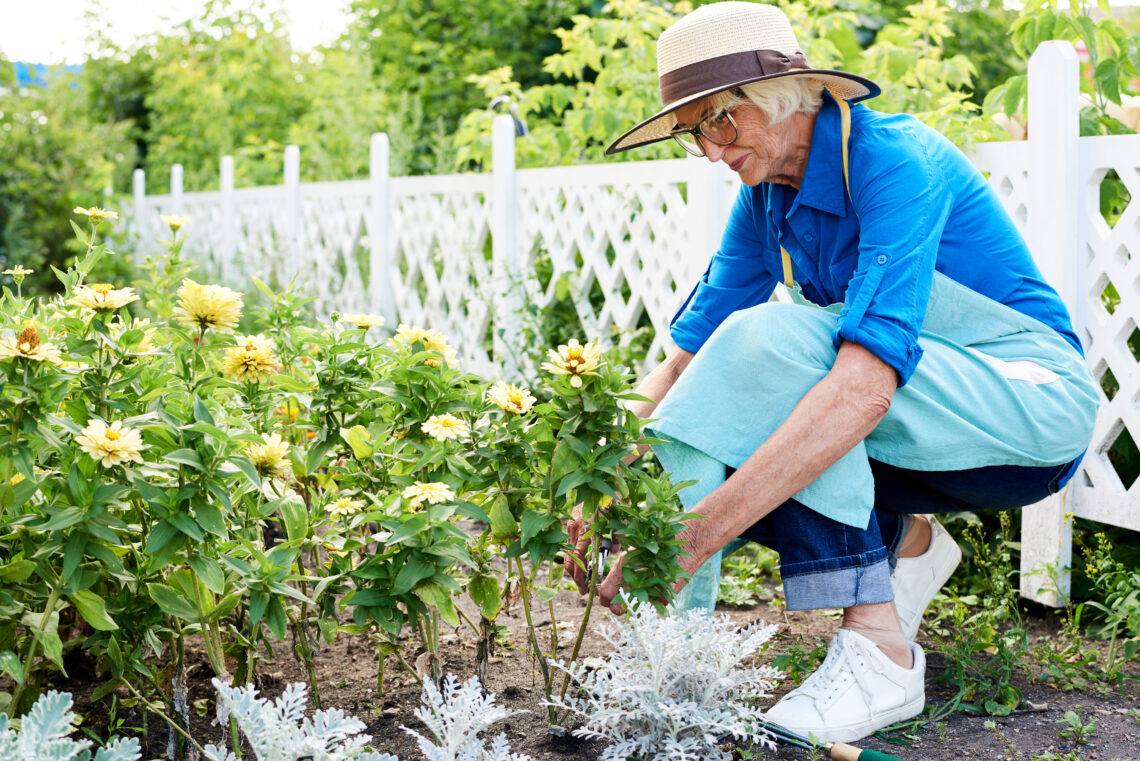
- Zinnia (Zinnia elegans): Zinnias come in a variety of bright colors and are adored by butterflies. They bloom throughout the summer and fall, providing a long-lasting food source.
- Asters (Symphyotrichum spp.): Asters are late-season bloomers, attracting butterflies in the fall when nectar is scarce. Their purple, blue, and pink flowers are rich in nectar.
3. Provide a Variety of Habitats
Pollinators, especially bees and butterflies, need more than just flowers. They also require a variety of habitats for shelter, nesting, and protection from the elements. Here’s how you can provide a diverse, welcoming environment on your farm:
Bee Hotels:
Solitary bees, such as mason bees and leafcutter bees, don’t live in hives like honeybees. Instead, they nest in small cavities in wood or hollow stems. Bee hotels are an excellent way to offer these solitary bees a place to nest. These structures can be purchased or easily made from natural materials like bamboo, wooden blocks, or hollow twigs. Place them in a sunny, quiet spot near your flowers.
Bare Soil for Ground-Nesting Bees:
Many species of native bees nest in the ground, and they require patches of bare, undisturbed soil to dig their burrows. Leave some areas of your farm with uncovered soil, particularly in sunny, warm spots, to provide ideal nesting conditions for ground bees.
Butterfly Habitat:
Butterflies need areas of tall grasses, shrubs, and trees for shelter, as well as sunny spots to bask in the warmth. Plant a mix of shrubs, wildflowers, and native grasses to create a diverse environment for both caterpillars and adult butterflies. Providing host plants like milkweed, fennel, or dill will encourage butterflies to lay eggs, as these plants serve as food sources for caterpillars.
4. Minimize Pesticide Use
While it may be tempting to use pesticides to protect your crops, many conventional pesticides can be harmful to pollinators. Bees and butterflies are especially vulnerable to pesticide exposure, which can interfere with their ability to forage, navigate, and reproduce. To protect pollinators, try these alternatives:
- Use Organic Pesticides: Organic pesticides, like neem oil or insecticidal soap, are less harmful to pollinators than conventional chemicals. Always apply them early in the morning or late in the evening when bees and butterflies are less active.
- Encourage Natural Pest Control: Encourage beneficial insects, such as ladybugs, lacewings, and predatory beetles, to help control pests in your garden. You can also introduce beneficial nematodes to combat soil-borne pests without harming pollinators.
- Targeted Application: Apply pesticides only to specific areas where pests are causing damage, and avoid spraying on flowering plants when pollinators are active.
5. Provide Water Sources
Just like all living creatures, bees and butterflies need water to survive. A shallow water source can provide them with a place to drink and hydrate, especially during hot summer months. A small birdbath, shallow dish, or pond with stones or sticks for landing spots will encourage pollinators to visit your farm regularly.
Be sure to change the water frequently to prevent it from becoming stagnant and attracting mosquitoes.
6. Create a Sustainable, Pollinator-Friendly Farm
To truly benefit bees and butterflies, consider adopting organic or sustainable farming practices on your entire farm. This includes reducing your use of chemical fertilizers, practicing crop rotation, and incorporating diverse plant species that provide a range of food sources and habitats for pollinators. The more natural, organic, and biodiverse your farm, the more likely it is to support healthy pollinator populations.
Final Thoughts
Gardening for pollinators is not just about planting a few flowers—it’s about creating a thriving ecosystem that supports these critical creatures. By selecting the right plants, providing diverse habitats, reducing harmful chemicals, and offering essential resources like water, you can make your farm a beacon of sustainability and biodiversity. Not only will you support bees and butterflies, but you’ll also increase your crop yields, improve soil health, and contribute to the overall health of the environment. By gardening for pollinators, you’re helping to ensure that the natural world continues to thrive, one flower at a time.