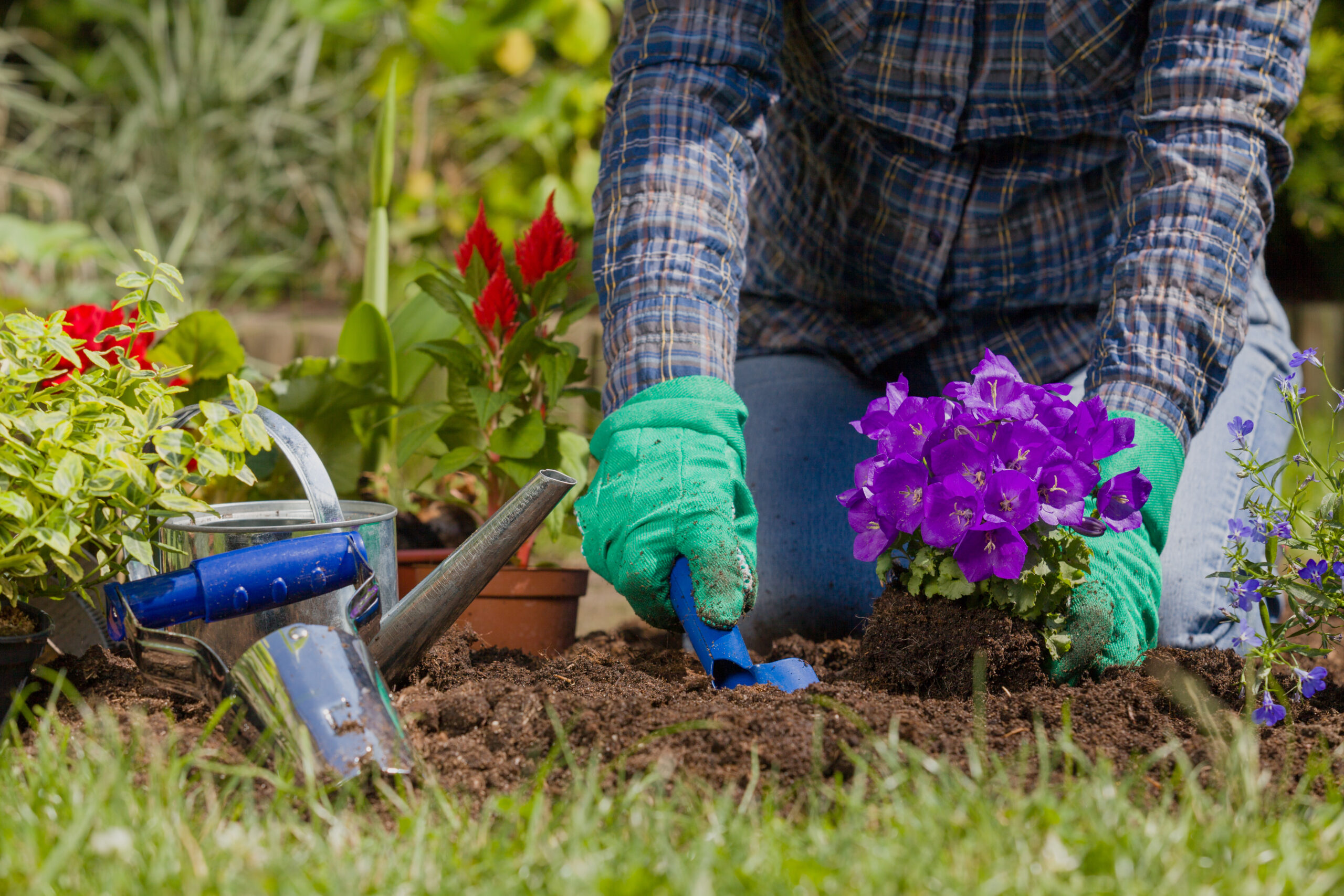
Composting in Spring: Turning Winter Waste into Garden Gold
As the frost melts and the first signs of green emerge, early spring is the perfect time to jumpstart your composting efforts. Whether you’ve been stockpiling organic waste all winter or are just getting started, properly managing your compost pile in spring can supercharge your soil and set your garden up for a season of abundant growth.
Why Spring Is the Best Time to Focus on Composting
Winter can be tough on composting efforts, especially in colder regions where decomposition slows significantly. But as temperatures rise, microbial activity increases, allowing organic material to break down more efficiently. Spring composting is essential for:
- Revitalizing soil with nutrient-rich humus before planting season.
- Reducing garden waste by recycling last year’s plant debris and winter kitchen scraps.
- Improving soil structure for better water retention and aeration.
- Enhancing microbial activity to promote healthier root systems for your crops.
Assessing Your Winter Compost Pile
If you’ve maintained a compost pile over the winter, now’s the time to check its condition:
- Look for Undecomposed Material: If large chunks of leaves, food scraps, or woody stems remain, they may need additional time to break down.
- Check for Moisture Levels: A dry pile won’t decompose efficiently, while an overly wet pile may turn slimy and produce a foul odor.
- Turn the Pile: Mixing it will reintroduce oxygen, speed up decomposition, and help release any trapped heat.
Building the Perfect Spring Compost Pile
1. Balance Your Browns and Greens
A healthy compost pile follows a carbon-to-nitrogen ratio of roughly 30:1. Too much nitrogen (greens) leads to odors, while too much carbon (browns) slows decomposition.
- Browns (Carbon-rich materials): Dead leaves, straw, shredded paper, cardboard, sawdust.
- Greens (Nitrogen-rich materials): Vegetable scraps, coffee grounds, grass clippings, fresh plant matter.
Tip: If your winter pile has too many browns, spring is a great time to add fresh greens like lawn clippings and fruit peels to balance it out.
2. Turn and Aerate Regularly
Spring warmth kickstarts microbial activity, but these microbes need oxygen to thrive. Turning your compost every one to two weeks will:
- Prevent anaerobic (foul-smelling) conditions.
- Evenly distribute moisture and heat.
- Speed up decomposition, making compost ready faster.
Tip: If your pile is compacted from winter snow, use a pitchfork to break it up and introduce airflow.
3. Maintain Proper Moisture Levels
Spring rains can either be a blessing or a problem for your compost. Your pile should have the consistency of a wrung-out sponge—damp but not soggy.
- Too dry? Add water while turning the pile.
- Too wet? Mix in dry brown materials like shredded leaves or straw to absorb excess moisture.
4. Add a Compost Starter If Needed
If your pile is slow to break down, consider adding:
- Finished compost: A few shovelfuls from last year’s pile to introduce beneficial microbes.
- Compost activators: Alfalfa meal, manure, or commercial compost accelerators can give microbes a boost.
Troubleshooting Common Spring Composting Problems
| Issue | Cause | Solution |
|---|---|---|
| Foul odor | Too much nitrogen (greens), poor aeration | Add dry browns, turn pile frequently |
| Slow decomposition | Cold temperatures, too many browns | Add fresh greens, turn and aerate, check moisture |
| Too wet | Heavy spring rain, poor drainage | Mix in straw, shredded leaves, or cardboard |
| Attracting pests | Large food scraps, meat, or dairy in pile | Avoid animal products, cover scraps with browns |
Using Your Finished Compost in the Spring Garden
Once your compost reaches a dark, crumbly, earthy-smelling state, it’s ready to enrich your soil. Here’s how to use it effectively:
- Garden Beds: Work 2-3 inches into the topsoil before planting.
- Seed Starting Mix: Blend compost with sand and peat moss for nutrient-rich seed beds.
- Mulching: Spread compost around plants to retain moisture and suppress weeds.
- Lawn Care: Top-dress your lawn with compost to improve soil structure and boost grass growth.
Final Thoughts
Spring is the perfect time to breathe new life into your compost pile, transforming winter waste into nutrient-rich garden gold. By balancing ingredients, maintaining aeration, and managing moisture, you’ll create high-quality compost that fuels your plants throughout the growing season. With just a little effort, your garden will thrive with healthier soil and stronger crops—all thanks to the power of spring composting.
Are you ready to start your composting journey this season? Get that pile turning, and watch your garden flourish! 🌱🌿

