Essential Spring Maintenance for Fences, Barns, and Water Systems
As winter fades and the land begins to thaw, spring signals a critical time for farm and ranch maintenance. The harsh conditions of the colder months often take a toll on infrastructure, making fences, barns, and water systems top priorities for inspection and repairs. A well-maintained property ensures the safety of livestock, improves operational efficiency, and helps avoid costly emergency fixes later in the season.
Fence Maintenance: Securing Your Boundaries
Fences are a farm’s first line of defense in keeping livestock in and predators out. Spring is the perfect time to assess any damage caused by heavy snowfall, high winds, and ice buildup.
1. Inspect for Structural Damage
Walk your fence line and check for:
- Broken or leaning posts – Heavy frost and shifting ground can loosen posts or snap them at the base.
- Loose or missing wires – Look for sagging or broken strands in barbed wire, electric fencing, and woven wire.
- Cracked or rotting wood – Wooden posts and rails can deteriorate from moisture buildup.
- Rust or corrosion – Metal fencing components may weaken over time, compromising their strength.
2. Repair and Reinforce
- Tighten and replace wires – Use a fence stretcher to remove slack from wire fencing.
- Reset leaning posts – Dig around unstable posts and pack the soil firmly or reinforce them with concrete.
- Replace damaged rails or panels – Swap out broken wooden boards or weakened steel panels.
- Test electric fencing – Ensure the charge is strong and uninterrupted along the entire fence line.
3. Clear Debris and Overgrowth
- Remove fallen branches or windblown debris that could weaken fence integrity.
- Trim back any encroaching vegetation to prevent future damage.
Tip: Keep spare fencing materials on hand to make quick repairs throughout the season.
Barn Maintenance: Protecting Your Structures
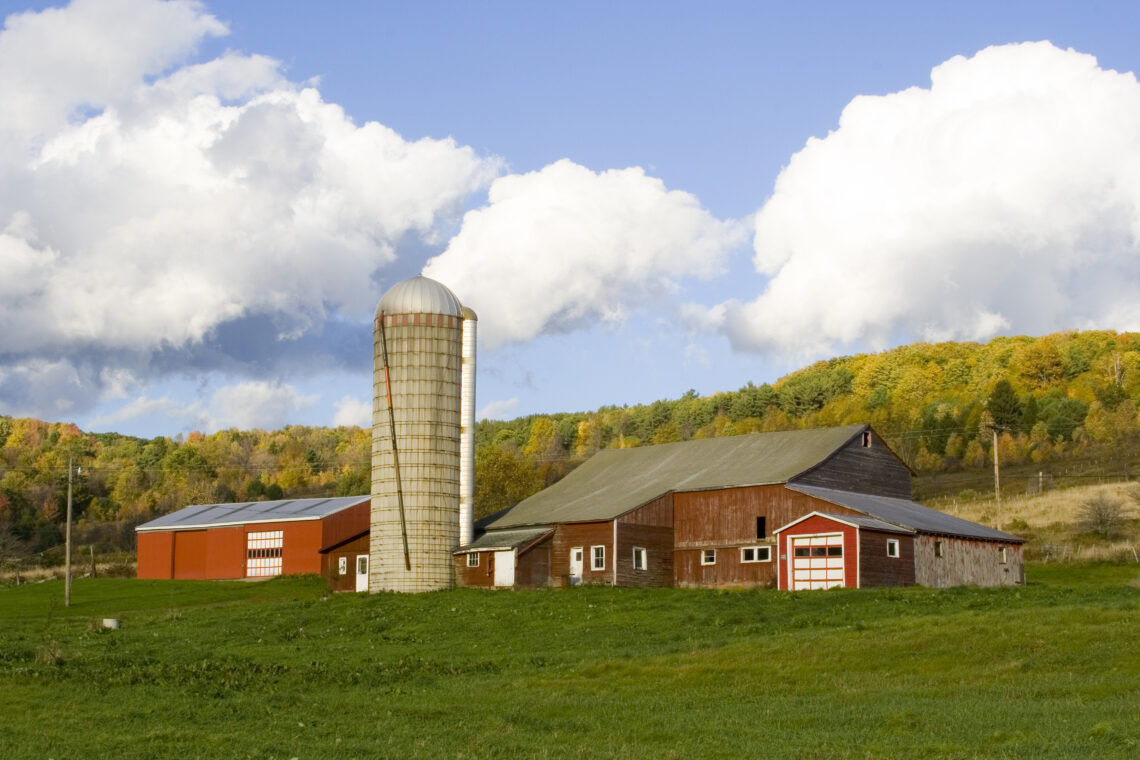
A well-maintained barn ensures the safety of livestock, equipment, and feed storage. Winter conditions often cause structural wear, so early spring is the best time for a thorough inspection and cleanup.
1. Inspect the Roof and Siding
- Check for leaks – Look for water stains, sagging areas, or loose shingles/metal panels.
- Repair cracks or holes – Seal gaps in walls and roofs to prevent moisture damage and pest infestations.
- Ensure proper drainage – Clean gutters and downspouts to direct water away from the barn foundation.
2. Assess Doors, Windows, and Ventilation
- Lubricate hinges and tracks – Barn doors often become stiff from winter frost.
- Replace broken or missing window panes – Prevent drafts and improve insulation.
- Check ventilation systems – Proper airflow is crucial for reducing humidity and preventing mold growth.
3. Clean and Organize
- Deep clean stalls – Remove old bedding, disinfect surfaces, and let areas dry completely.
- Inspect feed storage – Look for moldy or spoiled hay and grains that need to be discarded.
- Check for pests – Rodents and insects often nest in barns during winter. Set traps or use natural deterrents to keep populations in check.
Tip: Applying a fresh layer of lime in stalls can help reduce ammonia buildup and keep livestock comfortable.
Water System Maintenance: Ensuring a Reliable Supply
Reliable access to clean water is non-negotiable for any farm or ranch. Winter weather can cause pipes to freeze, tanks to crack, and pumps to fail, so early spring is the best time to inspect and repair your water systems.
1. Check Pipes and Hoses for Damage
- Look for leaks, cracks, or burst pipes that may have resulted from freezing temperatures.
- Insulate exposed pipes to prevent damage next winter.
2. Inspect Water Troughs and Automatic Waterers
- Clean and disinfect troughs to remove algae, sediment, and bacteria.
- Ensure float valves and heaters are functioning properly.
- Refill and test water tanks for leaks or structural weakness.
3. Test Water Quality
- Run tests for pH balance, bacterial contamination, and mineral levels to ensure your livestock’s health.
- Flush out wells or holding tanks to remove stagnant water.
Tip: If your farm relies on natural water sources, check nearby creeks or ponds for blockages or contamination from winter runoff.
Final Thoughts
A proactive approach to spring maintenance will save time, money, and frustration as the season progresses. By inspecting fences, reinforcing barns, and ensuring water systems are functioning properly, you’ll create a safer and more efficient environment for your farm or ranch.
Taking the time now to make necessary repairs prevents small issues from becoming major problems, allowing you to focus on the busy planting and grazing season ahead.
So grab your tool belt, walk your property, and get your farm ready for a productive and successful spring! 🚜🌱