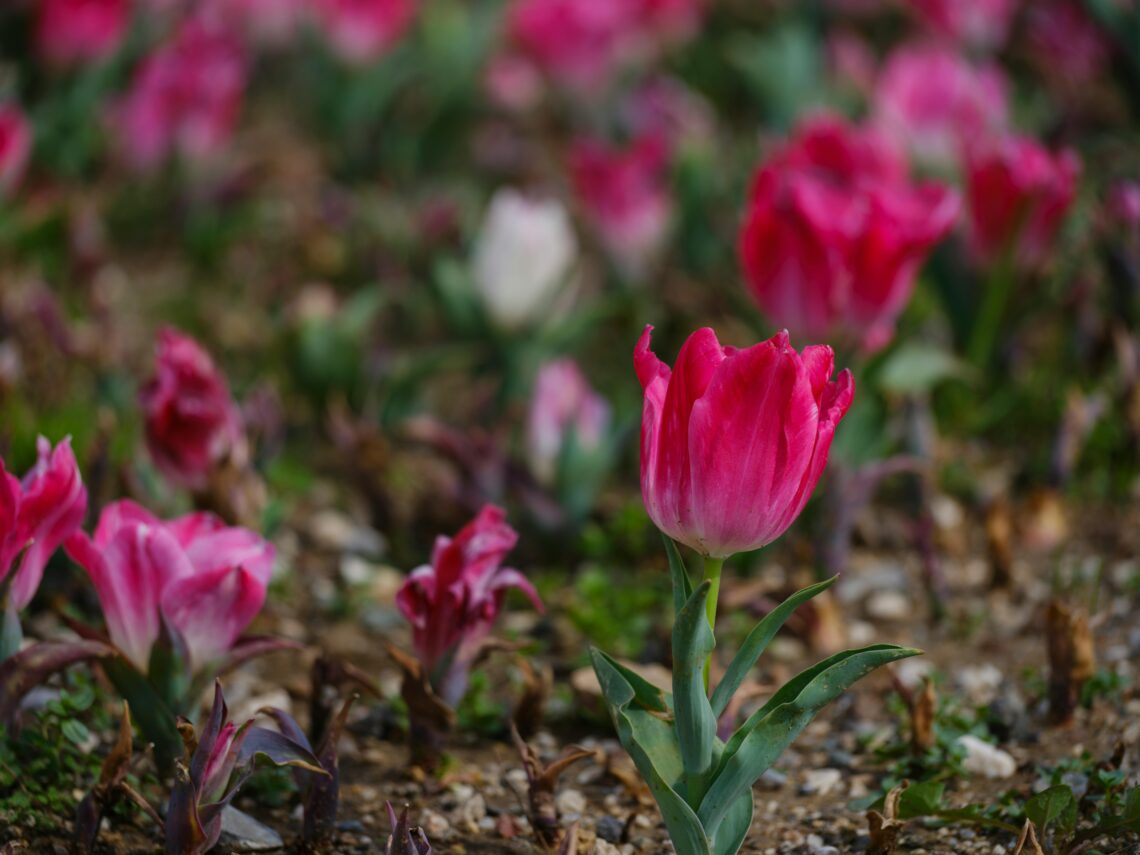
Organic Fertilizing Tips: Boost Your Plants Naturally This Spring
As spring unfolds, gardeners everywhere are eager to give their plants the best possible start. One of the most effective ways to ensure healthy, vigorous growth is through organic fertilization. Unlike synthetic fertilizers, organic fertilizers nourish plants while also improving soil health, promoting beneficial microbes, and reducing environmental impact. If you want to grow thriving flowers, vegetables, and fruits this season—without relying on chemicals—here’s your complete guide to boosting your plants naturally.
1. Understanding Organic Fertilizers: Why They Matter
Organic fertilizers are derived from natural sources such as compost, manure, bone meal, and plant-based materials. Unlike synthetic fertilizers, which provide a quick burst of nutrients, organic options release nutrients slowly, creating long-term soil fertility.
Benefits of Organic Fertilization:
✅ Improves soil structure and water retention
✅ Encourages beneficial microbes and earthworms
✅ Provides a balanced nutrient release for steady plant growth
✅ Reduces the risk of chemical runoff and soil degradation
✅ Enhances long-term sustainability of your garden
By using organic fertilizers, you’re not just feeding your plants—you’re enriching the entire ecosystem of your garden.
2. Best Organic Fertilizers to Use This Spring
Spring is a critical time for plants, as they emerge from dormancy and begin their active growth cycle. Providing the right nutrients now ensures strong roots, lush foliage, and abundant flowers or fruit later in the season. Here are some of the best organic fertilizers for spring:
1. Compost: The All-Purpose Soil Booster
- What it does: Improves soil structure, boosts beneficial microbes, and provides a steady release of nutrients.
- How to use: Spread a 1-2 inch layer over garden beds and gently work it into the top few inches of soil.
2. Aged Manure: A Nutrient-Rich Powerhouse
- What it does: Supplies nitrogen, phosphorus, and potassium while enhancing soil fertility.
- How to use: Use well-aged manure (not fresh!) and mix it into the soil before planting. Ideal options include cow, horse, chicken, or rabbit manure.
3. Bone Meal: Encourages Strong Root Growth
- What it does: High in phosphorus, bone meal strengthens roots and encourages flowering.
- How to use: Sprinkle around the base of perennials, bulbs, and flowering plants before watering.
4. Blood Meal: A Quick Nitrogen Boost
- What it does: Encourages leafy green growth by providing a fast nitrogen source.
- How to use: Apply sparingly to leafy greens like spinach, lettuce, and kale. Avoid overuse, as excess nitrogen can hinder fruit and flower production.
5. Fish Emulsion: A Liquid Fertilizer for Fast Results
- What it does: Provides a balanced mix of nitrogen, phosphorus, and potassium while promoting beneficial soil life.
- How to use: Dilute with water and use as a foliar spray or root drench every 2-3 weeks.
6. Seaweed/Kelp Meal: A Trace Mineral Powerhouse
- What it does: Improves plant resistance to stress, strengthens roots, and enhances nutrient absorption.
- How to use: Mix into the soil or use as a liquid spray throughout the season.
3. How to Apply Organic Fertilizers for Maximum Effectiveness
Knowing when and how to apply organic fertilizers is key to getting the best results. Here’s a simple seasonal approach for spring:
🌱 Early Spring (Before Planting)
- Work compost or aged manure into garden beds to improve soil fertility.
- Add bone meal and kelp meal to support root development.
- Use cover crops or mulch to enrich soil with organic matter.
🌿 Mid-Spring (After Planting)
- Apply liquid fertilizers like fish emulsion every 2-3 weeks for a nutrient boost.
- Side-dress fast-growing crops (like tomatoes and peppers) with compost or worm castings.
- Use mulch to retain moisture and suppress weeds while improving soil health.
🌺 Late Spring (When Plants Are Actively Growing)
- Feed flowering plants with a phosphorus-rich fertilizer like bone meal.
- Apply seaweed or kelp spray to help plants withstand heat stress and improve resilience.
- Continue composting and mulching to maintain soil quality.
4. Organic Fertilizing Mistakes to Avoid
Even with the best intentions, some common mistakes can reduce the effectiveness of organic fertilizers. Here’s what to watch out for:
🚫 Overloading with Nitrogen: Too much nitrogen can cause excessive leaf growth at the expense of flowers and fruit. Use balanced fertilizers for fruiting plants.
🚫 Using Fresh Manure: Fresh manure can burn plants due to high ammonia content. Always compost manure for at least six months before applying.
🚫 Ignoring Soil pH: Some organic fertilizers work best at specific pH levels. Test your soil to ensure the nutrients are available to plants.
🚫 Applying Too Late in the Season: Spring fertilization sets the stage for growth. Waiting too long can lead to weaker plants and reduced harvests.
5. Going Beyond Fertilizers: Holistic Soil Health Tips
In addition to organic fertilizers, here are a few extra steps to improve your garden’s overall health this spring:
🌱 Rotate crops: Prevent soil nutrient depletion by changing where you plant crops each year.
🪱 Encourage earthworms: These natural soil aerators improve fertility and water retention.
🍂 Keep soil covered: Use mulch, cover crops, or green manure to prevent erosion and retain nutrients.
💧 Water wisely: Proper watering helps nutrients reach plant roots. Deep, infrequent watering is best.
Conclusion: A Healthier Garden Starts with Organic Fertilization
By choosing organic fertilizers, you’re not only feeding your plants—you’re building a healthier, more sustainable garden for years to come. Spring is the perfect time to nourish the soil, strengthen plant roots, and set the stage for a bountiful growing season.
Whether you’re growing vegetables, flowers, or fruit trees, these natural fertilizing tips will help you achieve a thriving garden without synthetic chemicals. Happy planting!
Would you like recommendations for specific plants or soil types? Let me know how I can help! 🌿🌸