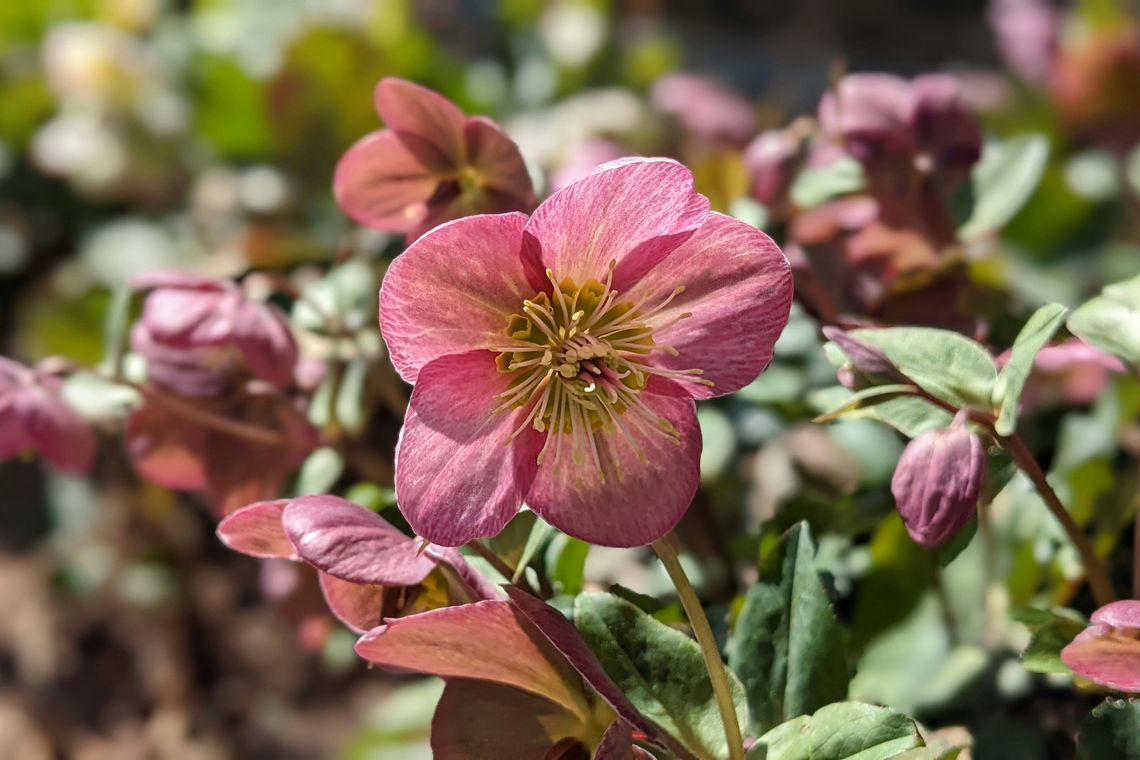
Hellebores: Care, Varieties, and Tips for Your Garden
Hellebores, often referred to as Lenten roses, are one of the most stunning and resilient perennials for early spring gardens. Blooming when most other flowers are still dormant, these shade-loving beauties offer color and elegance even in the coldest months. Known for their nodding, cup-shaped blooms and evergreen foliage, hellebores are a favorite among gardeners looking to add year-round interest to their landscape.
In this guide, we’ll cover everything you need to know about growing and caring for hellebores, explore different varieties, and share expert tips to ensure these gorgeous flowers thrive in your garden.
Why Grow Hellebores?
Hellebores are beloved by gardeners for several reasons:
✅ Early Blooms – They often flower from late winter to early spring, sometimes pushing through the snow.
✅ Shade Tolerance – Perfect for woodland gardens and areas with partial to full shade.
✅ Low Maintenance – Once established, they require little care.
✅ Deer and Rabbit Resistant – Their leathery leaves and slightly toxic nature deter most garden pests.
✅ Long-Lasting Blooms – Unlike many spring flowers, hellebore blooms last for weeks.
✅ Evergreen Foliage – Their dark green, leathery leaves provide year-round texture and color.
Now, let’s explore how to cultivate these elegant perennials successfully.
Planting and Care
1. Choosing the Right Location
Hellebores thrive in partial to full shade, making them ideal for woodland gardens, under trees, or along shaded borders. They prefer well-draining soil rich in organic matter and slightly alkaline to neutral pH levels.
🔹 Best Soil Type: Well-draining, humus-rich, slightly alkaline (pH 6.5-7.5)
🔹 Sunlight Needs: Partial shade to full shade
🔹 Ideal Locations: Under trees, shaded borders, woodland gardens, or near walkways
2. Planting Hellebores
Hellebores are typically planted from nursery pots or divisions. The best planting time is fall or early spring, giving them time to establish strong roots before summer heat or winter cold.
Steps for Planting:
- Prepare the Soil – Loosen the soil and mix in compost or well-rotted manure.
- Dig a Hole – Make a hole twice the width of the plant’s root ball but at the same depth.
- Position the Plant – Set the plant in the hole, ensuring the crown is level with the soil surface.
- Backfill and Water – Fill in the hole, press down gently, and water thoroughly.
- Mulch – Apply a layer of mulch to retain moisture and suppress weeds.
3. Watering and Fertilizing
Once established, hellebores are drought-tolerant but prefer consistent moisture. Avoid overly soggy soil, as root rot can occur.
💧 Watering:
- Keep soil moist but not waterlogged.
- Water deeply during dry spells, especially in summer and early fall.
🌱 Fertilizing:
- Apply a balanced slow-release fertilizer in early spring and after flowering.
- Organic matter like compost or well-rotted manure can boost soil nutrients.
4. Pruning and Maintenance
Hellebores require minimal maintenance, but some seasonal care can enhance their appearance and health.
✂️ Pruning Tips:
- In late winter or early spring, remove old, tattered leaves before new growth emerges. This improves air circulation and reduces the risk of fungal diseases.
- Trim back spent flower stalks to encourage fresh foliage.
🍂 Mulching:
- Apply a layer of mulch around the base each fall to protect roots from extreme temperatures.
Popular Hellebore Varieties
There are numerous stunning hellebore varieties, each with unique colors and forms. Here are some of the most sought-after types:
🌸 1. Helleborus orientalis (Lenten Rose)
- The most commonly grown variety, featuring large flowers in shades of white, pink, purple, and green.
- Blooms from late winter to early spring.
🌸 2. Helleborus niger (Christmas Rose)
- One of the earliest bloomers, with crisp white flowers that sometimes appear around Christmas.
- Prefers slightly cooler climates.
🌸 3. Helleborus foetidus (Stinking Hellebore)
- Unique lime-green flowers with dark purple edging.
- The name comes from its slightly musky fragrance when leaves are crushed.
🌸 4. Helleborus x hybridus
- A hybrid mix offering a wide range of colors and patterns (spotted, picotee, or double blooms).
- Popular in ornamental gardens.
Common Problems and How to Fix Them
Although hellebores are relatively trouble-free, they can occasionally face issues.
🚨 1. Black Spot Disease
- Symptoms: Black spots on leaves, leading to yellowing.
- Solution: Remove infected leaves and improve air circulation. Apply a fungicide if necessary.
🚨 2. Aphids
- Symptoms: Distorted leaves, sticky residue.
- Solution: Spray plants with neem oil or soapy water to control aphids.
🚨 3. Slugs and Snails
- Symptoms: Ragged holes in leaves.
- Solution: Use copper barriers, diatomaceous earth, or organic slug bait.
Landscaping with Hellebores
Hellebores work beautifully in various garden settings. Some design ideas include:
🌿 Woodland Garden – Pair hellebores with ferns, hostas, and bleeding hearts for a lush, shaded retreat.
🌿 Border Planting – Use hellebores as edging plants along walkways or under shrubs.
🌿 Winter Interest – Mix with snowdrops, crocuses, and early daffodils for a vibrant winter and early spring display.
🌿 Container Gardening – Hellebores thrive in pots! Choose a deep container with well-draining soil.
Conclusion
Hellebores are a must-have for any garden, offering long-lasting blooms, evergreen foliage, and minimal maintenance. With their ability to thrive in shade and bloom when little else does, they add year-round beauty to any landscape.
By selecting the right varieties, providing proper care, and maintaining a healthy growing environment, you can enjoy these elegant flowers for many seasons to come. Whether you’re planting them along a shaded pathway or in a woodland garden, hellebores are sure to become a cherished favorite.
🌸 Happy gardening! 🌸