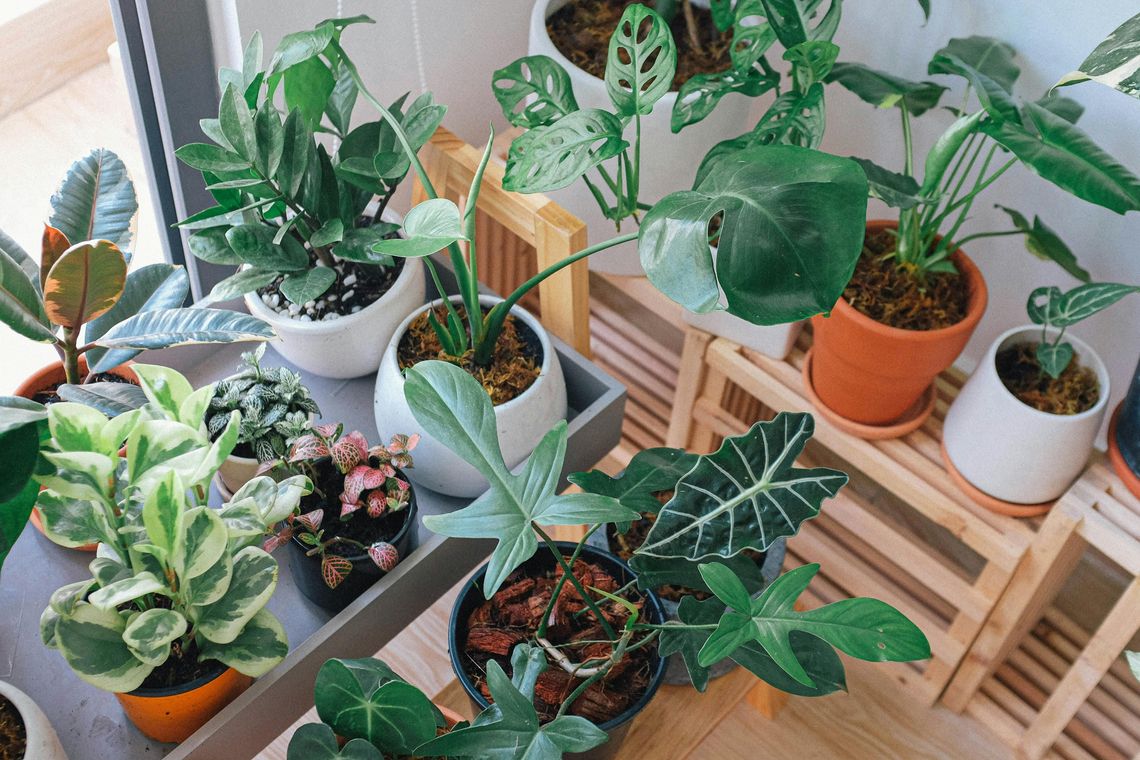
Common Houseplant Mistakes to Avoid and Essential Tips for Indoor Plant Care
Indoor plants have become a staple in home decor, adding beauty, vibrancy, and even improved air quality to our living spaces. However, despite their many benefits, many plant lovers struggle with keeping their indoor greenery healthy and thriving. Whether you’re a seasoned plant parent or just starting your indoor garden journey, understanding common houseplant mistakes and learning how to avoid them is crucial to ensuring your plants flourish. In this article, we’ll explore some of the most common houseplant mistakes people make, and provide essential tips to help you care for your indoor plants like a pro.
1. Overwatering or Underwatering Your Plants
One of the most common mistakes new plant owners make is getting the watering routine wrong. Both overwatering and underwatering can harm your plants and lead to problems like root rot, yellowing leaves, or stunted growth.
- Overwatering: Indoor plants, especially those in pots with poor drainage, are prone to root rot if they sit in waterlogged soil for too long. Overwatering can suffocate the roots, preventing them from absorbing nutrients and water properly. Signs of overwatering include yellowing leaves, mushy stems, and a musty smell coming from the soil.
- Underwatering: On the flip side, underwatering your plants can lead to dehydration, causing leaves to wilt, curl, or turn brown. Plants like succulents are more tolerant of dry conditions, but others, like ferns or peace lilies, require consistent moisture.
Tip:
To avoid overwatering, make sure your pots have proper drainage holes, and always allow excess water to drain out. To ensure you’re not underwatering, check the top inch of soil—if it’s dry, it’s time to water. Also, consider the specific water needs of each plant. Some plants prefer to dry out between waterings, while others like consistent moisture.
2. Incorrect Light Conditions
Light is a crucial factor for the health of your houseplants, but many indoor gardeners make the mistake of not considering their plant’s specific light requirements. Some plants need bright, direct light, while others thrive in low light conditions. Placing a plant in the wrong light environment can cause poor growth, leggy stems, or even leaf drop.
- Too Much Light: Plants that aren’t accustomed to bright, direct light can suffer from sunburn. Their leaves may turn brown, scorched, or crispy at the edges.
- Too Little Light: Conversely, plants that are placed in dark corners with minimal natural light may become weak, leggy, and may fail to flower or produce new growth.
Tip:
Research the light needs of each plant species before positioning them around your home. Many houseplants, such as pothos and snake plants, can tolerate low light, while others, like succulents and cacti, require bright, indirect light. If your home lacks natural light, consider investing in grow lights that mimic sunlight.
3. Ignoring Humidity Needs
Indoor plants, especially tropical varieties like ferns, orchids, and palms, often require higher humidity levels to thrive. Dry indoor air, particularly during the winter months when heating systems are in use, can cause the leaves of these plants to dry out, turn brown at the edges, or drop altogether.
Tip:
To increase humidity, consider placing a humidifier near your plants or grouping plants together to create a microenvironment with higher humidity. You can also place your plants on a shallow tray filled with water and pebbles to increase moisture around the roots. Regular misting can help, but avoid over-wetting the leaves, as this can encourage fungal growth.
4. Using the Wrong Soil
The type of soil you use plays a significant role in the health of your plants. Using standard garden soil can suffocate plant roots, as it’s often too heavy and doesn’t allow for proper drainage. Different plants have different soil needs, and using the wrong type can lead to poor root development and unhealthy plants.
- Succulents and Cacti: These plants require well-draining, sandy soil to prevent water from accumulating around the roots.
- Tropical Plants: Plants like ferns and peace lilies need a loamy, moisture-retentive soil to maintain a consistent level of humidity around their roots.
Tip:
Choose the right soil mix for your specific plants. For example, use cactus or succulent mix for desert plants, and a peat-based mix for tropical varieties. If in doubt, consider repotting your plants in a custom soil blend that suits their needs.
5. Poor Potting Practices
Choosing the wrong pot or repotting at the wrong time can hinder your plant’s growth. A pot that’s too small can restrict root growth, while a pot that’s too large can retain too much moisture, leading to overwatering.
Tip:
When repotting, choose a pot that’s just 1-2 inches larger in diameter than the current one. Ensure the new pot has proper drainage holes to prevent water from collecting at the bottom. It’s also best to repot during the growing season, typically in spring or early summer, when the plant is actively growing.
6. Neglecting Regular Pruning
Many houseplants benefit from occasional pruning to remove dead or damaged leaves, promote healthy growth, and maintain their shape. Neglecting regular pruning can result in an overgrown or sparse plant with poor air circulation.
Tip:
Prune your plants regularly by removing any dead, yellow, or brown leaves, as well as spent flowers. For plants that grow tall and leggy, such as pothos or ivy, trim back overgrown stems to encourage bushier growth. Always use clean, sharp scissors or pruning shears to make clean cuts.
7. Not Addressing Pests Quickly
Indoor plants can be susceptible to pests like spider mites, aphids, mealybugs, and scale. Left unchecked, pests can weaken your plants, causing yellowing leaves, distorted growth, and even plant death.
Tip:
Regularly inspect your plants for pests. If you notice any signs of infestation, such as sticky residue on the leaves or small webs, treat the plant immediately. You can use insecticidal soap, neem oil, or even a mixture of water and dish soap to gently remove pests. Quarantine new plants for a couple of weeks before introducing them to your collection to prevent the spread of pests.
8. Over-Fertilizing or Under-Fertilizing
Fertilizing your plants can give them the nutrients they need to grow, but over-fertilizing or under-fertilizing can cause issues. Too much fertilizer can burn the roots, while too little can lead to slow growth and yellowing leaves.
Tip:
Follow the recommended fertilizing schedule for each plant. During the growing season (spring and summer), feed your plants with a balanced, diluted liquid fertilizer every 4-6 weeks. During the fall and winter months, most plants are dormant, so reduce or stop fertilizing altogether.
Conclusion
Caring for houseplants can be a rewarding and relaxing hobby, but it does require some attention to detail. By avoiding common mistakes like overwatering, incorrect lighting, and improper soil, you can set your plants up for success. Remember that each plant has its own unique needs, and with a little research and care, you can create a thriving indoor garden that brings beauty and life to your home. By implementing these essential tips, you’ll enjoy healthy, happy plants that will continue to grow and flourish for years to come.

