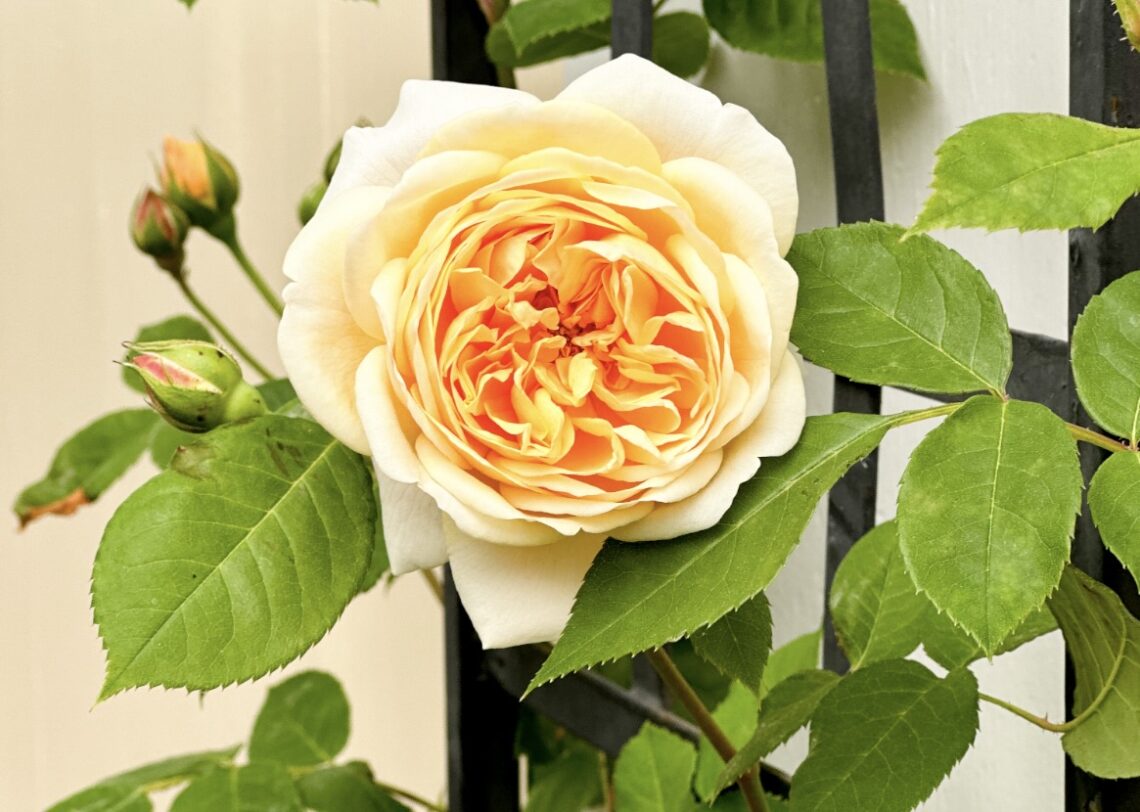
Cloud Pruning a Climbing Rose: The Art of Shaping Beauty and Balance
Cloud pruning isn’t just a technique—it’s an aesthetic philosophy. Originating from the Japanese art of Niwaki (garden tree shaping), this approach creates soft, sculptural forms that look like fluffy clouds drifting through your landscape. When applied to a climbing rose, it merges the elegance of floral abundance with the restraint of clean design.
If you’re looking to bring a refined, almost ethereal structure to your climbing roses this spring, cloud pruning may be the perfect way to elevate your garden. Here’s everything you need to know to get started—from tools and timing to step-by-step techniques.
🌸 What Is Cloud Pruning?
Cloud pruning is a stylized form of trimming that gives plants a soft, rounded, cloud-like appearance. It’s most commonly used on evergreens and small trees, but with a bit of creativity, it can be adapted beautifully to climbing roses.
Why it works well with roses:
- It highlights the rose’s structure and branching pattern.
- Encourages healthy growth and flowering.
- Keeps the plant tidy without looking overly manicured.
- Offers visual softness to fences, arbors, or walls.
🕒 Best Time to Cloud Prune a Climbing Rose
Late winter to early spring (before new growth starts) is the best time to shape your climbing rose. This allows you to:
- Clearly see the structure of the canes.
- Remove any dead or damaged wood before the growing season.
- Set the foundation for controlled blooming.
Optional Summer Touch-Up: A light reshape in midsummer (after first flush) can help refine the look and encourage a second bloom.
🧰 Tools You’ll Need
- Bypass hand pruners – for precise, clean cuts.
- Loppers – for thicker, older canes.
- Gloves – climbing roses are thorny, so protect yourself.
- Soft garden ties or twine – to help train and position the canes.
- Wire or trellis system – optional but helpful for vertical support.
🪴 Step-by-Step: How to Cloud Prune a Climbing Rose
1. Start with Structure
Identify the main framework canes (the long, thick stems that anchor the rose). These are your “bones”—they form the base from which all cloud-like clusters will emerge.
- Tie or train them horizontally or diagonally for maximum bloom coverage.
- Remove old, weak, or crossing canes at the base.
Tip: A more horizontal layout encourages more flowering shoots along the length of each cane.
2. Remove the Clutter
Cut out:
- Dead or diseased wood (brown and brittle).
- Thin, spindly growth that won’t support flowers.
- Any shoots growing inward or rubbing against others.
3. Create “Clouds”
Think of the plant in layers or pods of rounded foliage and blooms.
- On each main cane, leave 3 to 5 lateral shoots spaced evenly.
- Trim these shoots back to 3–6 inches, or to 2–3 outward-facing buds.
- This will result in tight clusters of growth that will fill out into fluffy mounds—your “clouds.”
Let space exist between the clusters to create a balanced rhythm along the cane. You’re going for a natural yet artistic pattern—not a wall of roses, but a soft float of blooms.
4. Train As Needed
Use soft ties to gently angle your canes into place if they need adjustment. You want a gentle flow, not a rigid framework.
🌹 Caring for the Plant Post-Pruning
- Feed: Apply a balanced organic rose fertilizer in early spring and again after the first bloom.
- Mulch: Keep the base cool and moist with a 2-3″ layer of compost or well-rotted mulch.
- Water: Climbing roses need deep watering during dry spells, especially when they’re pushing out new growth.
🎨 Why Choose Cloud Pruning?
Beyond the practical benefits, cloud pruning adds a visual calmness to your garden. Where traditional pruning can sometimes make roses look wild or uneven, cloud pruning brings structure without stiffness.
It’s ideal for:
- Formal gardens that need a sculptural touch.
- Small spaces where you want intentional, neat shapes.
- Mixed borders or walls where you want a blend of architecture and bloom.
Final Thoughts
Cloud pruning a climbing rose is about more than just cutting—it’s shaping with purpose. It takes patience and an artistic eye, but the result is stunning: graceful arches of floral clouds that feel intentional, elegant, and wonderfully alive.
Whether you’re working on a trellis in your backyard or training along a cottage fence, this technique adds not just structure but true garden character.
So grab your pruners, trust your eye, and start shaping. This spring, let your roses float on clouds.

