Managing Cattle Health as Heat and Flies Set In
As temperatures climb and summer creeps in, cattle operations across the U.S. face two major seasonal stressors: heat and flies. Both can have a significant impact on animal performance, weight gain, reproduction, and overall well-being if not managed proactively. Whether you’re running cow-calf pairs on open pasture or managing a backgrounding operation, early preparation and daily observation are key to staying ahead.
Understanding the Risks of Heat Stress
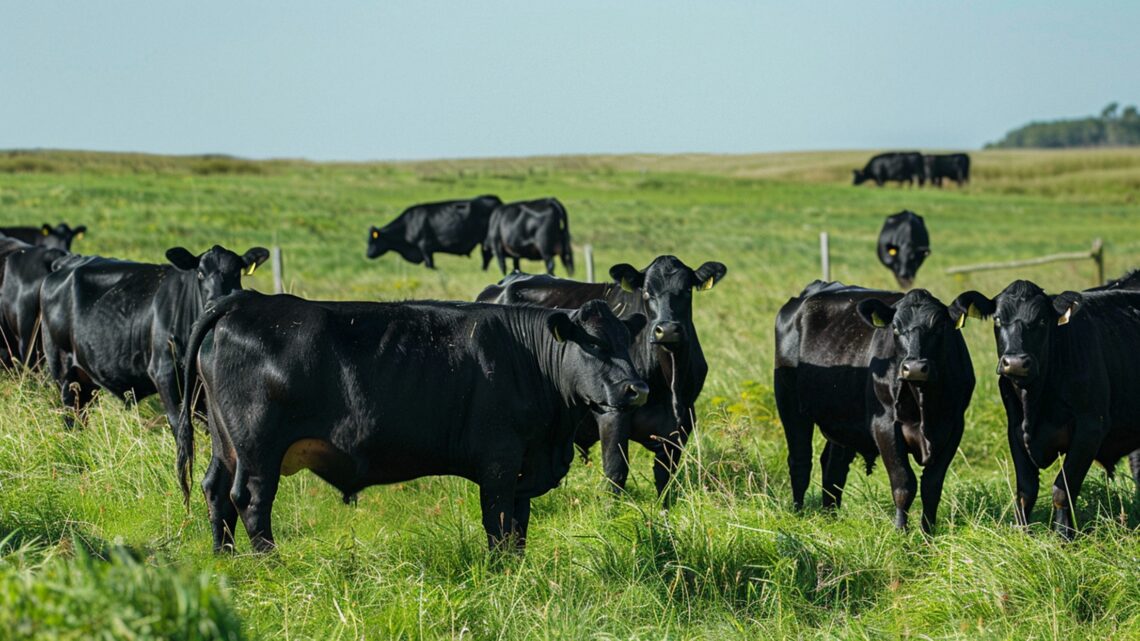
Cattle are more susceptible to heat than many ranchers realize. When ambient temperatures rise above 80°F, particularly with high humidity and little wind, the risk of heat stress increases dramatically. Black-hided breeds, high-producing lactating cows, and heavier animals are especially at risk.
Warning Signs of Heat Stress in Cattle:
- Rapid breathing or open-mouth panting
- Excessive salivation or drooling
- Reduced feed intake
- Lethargy or isolation from the herd
- Standing in water or shade excessively
If these symptoms appear, immediate steps should be taken to cool the animals down.
Practical Strategies to Beat the Heat
1. Provide Ample, Clean Water
This is non-negotiable. Cattle need significantly more water during hot weather—up to 30 gallons per day for a lactating cow. Ensure your troughs or tanks are full, clean, and placed where they’re easily accessible.
💡 Tip: Place multiple water points across large pastures to reduce crowding and stress.
2. Optimize Shade and Shelter
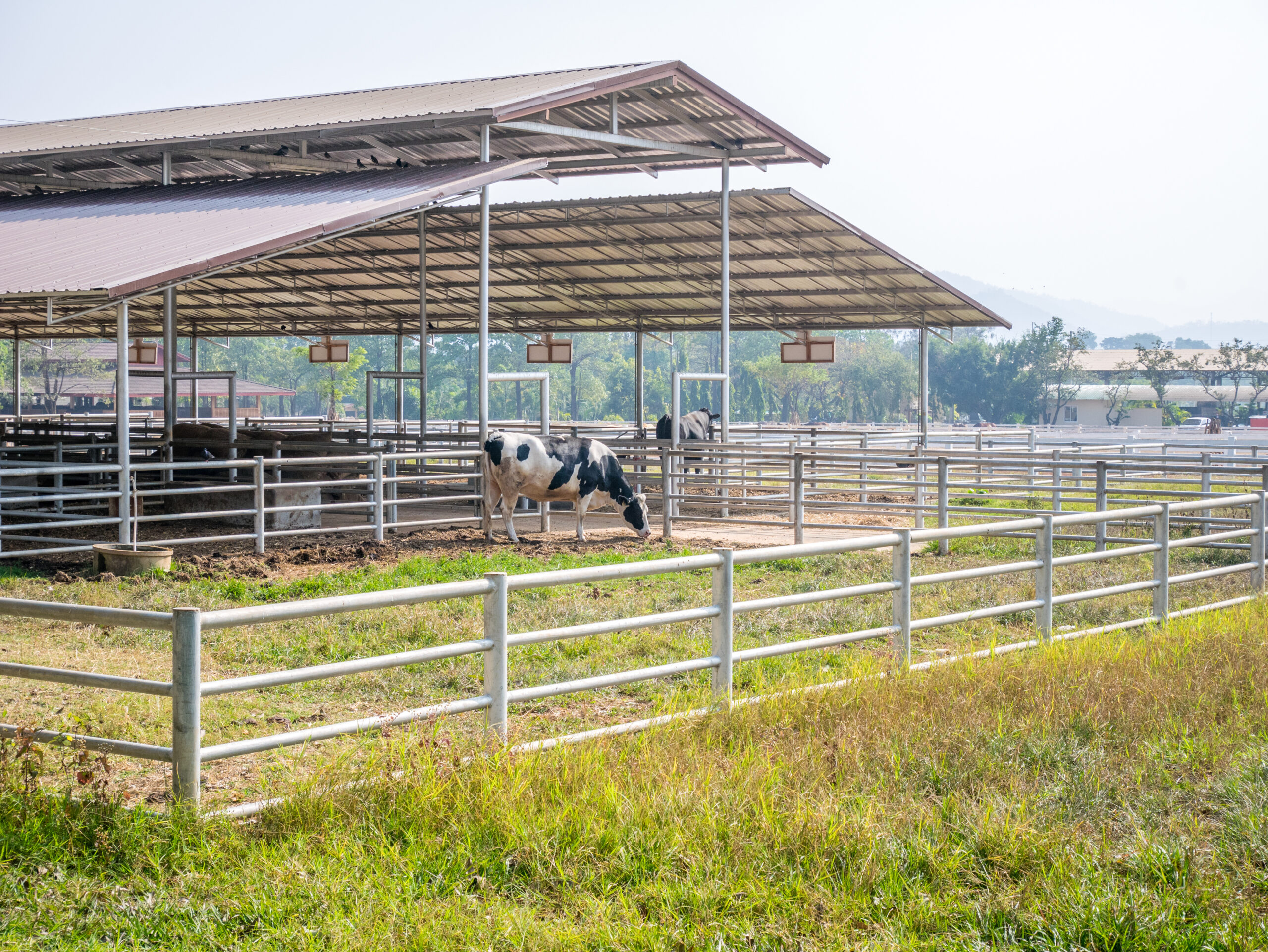
If your pasture doesn’t have natural shade (like trees or brush), consider temporary shade structures or portable shelters. Even a simple tarp setup can reduce radiant heat exposure.
3. Adjust Handling Schedules
Avoid working cattle during the heat of the day. Schedule working, branding, or vaccinations for early morning or late evening when temperatures are cooler.
4. Minimize Transport Stress
Hauling cattle during peak heat is risky. If hauling is necessary, ensure proper airflow in trailers and avoid overcrowding. Travel early or late in the day, and keep trips as short as possible.
Flies: More Than Just a Nuisance
When flies move in, they bring a host of problems—everything from reduced weight gain to the spread of disease. Horn flies, face flies, stable flies, and heel flies are the most common culprits, and they’re not just annoying—they cost the U.S. cattle industry over $1 billion annually in lost production.
Common Fly-Related Problems:
- Pinkeye (infectious bovine keratoconjunctivitis)
- Mastitis in nursing cows
- Reduced grazing and feed intake
- Increased stress and fidgeting, especially in confined cattle
Effective Fly Control Methods
1. Pour-Ons and Back Rubbers
Apply insecticides like permethrin or cyfluthrin using pour-ons, rubs, or oilers. Make sure you rotate products to prevent resistance.
2. Fly Tags
Insecticide ear tags are popular for season-long control, but timing matters. Apply them after flies reach threshold levels (about 200 horn flies per animal) to avoid resistance.
3. Feed-Through Fly Control
Add insect growth regulators (IGRs) to mineral or feed. These don’t kill adult flies but prevent larvae from maturing in manure.
4. Biological and Natural Controls
For smaller operations or integrated pest management plans, consider:
- Releasing parasitic wasps
- Encouraging barn swallows and flycatchers
- Using garlic or diatomaceous earth in feed as natural repellents
5. Pasture Management
Rotate pastures regularly, drag manure in hot weather to dry it quickly, and avoid overgrazing which can concentrate manure and increase fly breeding areas.
Monitor and Adapt
Cattle health isn’t a “set it and forget it” situation during hot months. Walk your herd regularly. Watch their behavior, observe water consumption, and stay ahead of both heat and fly issues before they spiral.
If animals do get sick—whether from heat stress or fly-borne disease—early intervention is critical. Consult your local vet and keep vaccines like pinkeye protection updated.
Final Thoughts
Summer can be a challenging time, but with good planning and solid management, you can keep your cattle healthy and productive. Water, shade, proper handling, and aggressive fly control all work together to keep your operation running smoothly as the heat sets in. And remember—good stockmanship during the tough seasons builds resilience in your herd and success in your business.