Pruning in May: Which Plants to Cut Back and Which to Leave Alone
May is when gardens truly start to come alive. Perennials begin pushing up fresh growth, shrubs flush out, and early blooms start putting on a show. But with that explosion of green also comes a big question for many gardeners: What should I be pruning right now?
Pruning in May requires a thoughtful approach. Cutting back the right plants can promote healthy growth, prolong blooming, and improve air circulation. But trimming the wrong ones? That could mean fewer flowers, stunted growth, or unnecessary stress during the heat of summer.
Let’s dig into which plants to cut back in May—and which ones are better left alone.
🌿 What to Prune in May
1. Spring-Flowering Shrubs (Once They’ve Bloomed)
Think: Forsythia, Lilac, Azaleas, Viburnum
These bloom on old wood—which means the buds for next year’s flowers are already forming right after blooming. The best time to prune them is immediately after flowers fade.
- Why May is key: You’re pruning after the current season’s show but before next year’s buds set.
- What to do: Remove dead or crowded branches and shape the plant to your liking.
Avoid pruning too late into summer, or you risk cutting off next year’s flower buds.
2. Herbaceous Perennials (Clean-Up and Shape-Up Time)
Think: Salvia, Catmint, Coreopsis, Shasta Daisy
Many perennials are now emerging and getting leggy. Pruning in May helps prevent them from flopping over in midsummer.
- What to do:
- Trim back last year’s dead stems to the base if you haven’t already.
- Pinch or lightly shear new growth to encourage bushiness and more blooms later.
Bonus: For plants like salvia, deadheading throughout summer after the first bloom can trigger a strong second flush.
3. Cool-Season Annuals That Are Bolting
Think: Lettuce, Cilantro, Spinach (in flower beds or edible gardens)
By mid-to-late May, cooler-loving greens start bolting—meaning they flower and go to seed.
- What to do:
- If you’re growing for leaves, cut them back hard or pull them to make space for summer crops.
- Save bolted cilantro for coriander seeds if you want, but otherwise, clear the space.
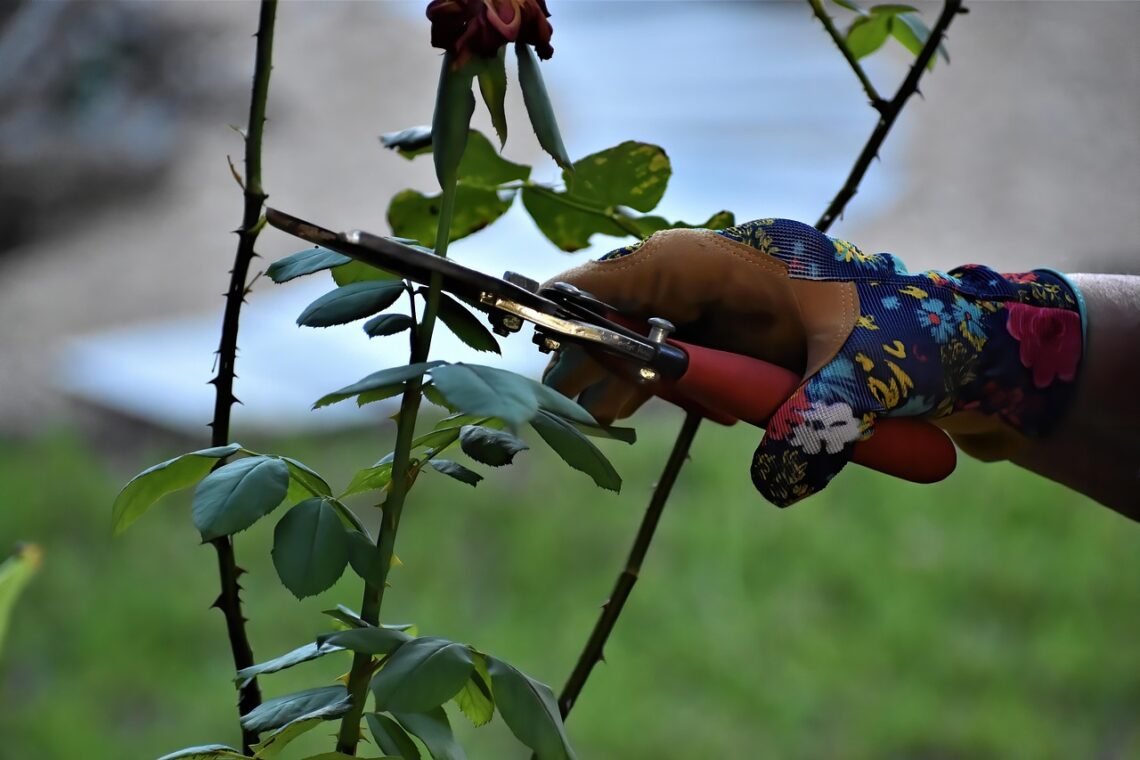
4. Roses (Especially Repeat Bloomers)
- What to do in May:
- Deadhead spent blooms.
- Trim out any weak or crossing canes.
- Shape the bush lightly if needed.
Avoid heavy pruning—save that for late winter or early spring.
5. Woody Herbs
Think: Thyme, Oregano, Sage, Lavender
These can get woody and leggy if left untrimmed. May is a perfect time for a light haircut.
- How to prune:
- Trim back about one-third of the plant.
- Avoid cutting into the woody base—focus on green growth.
This helps herbs stay compact, bushy, and productive through the summer.
🚫 What NOT to Prune in May
1. Summer-Flowering Shrubs (Too Early!)
Think: Hydrangea paniculata, Rose of Sharon, Butterfly Bush
These bloom on new wood. While they benefit from pruning, that should have happened in early spring, before growth began.
Pruning now can:
- Delay blooming
- Reduce flower production
- Stress the plant unnecessarily
Let them do their thing for now.
2. Evergreens
Think: Boxwood, Arborvitae, Junipers, Spruce
These should be pruned earlier (late winter or early spring) or later (after their spring growth flush).
- Why not in May?
- You’ll either interrupt fresh growth or cause unsightly browning.
- Late May pruning can make them vulnerable to summer scorch or insect attack.
3. Fruit Trees
While winter is the main pruning season for apples, pears, and stone fruits, some light pruning in May is okay for removing water sprouts or dead wood—but avoid heavy cuts.
- Pruning now can stimulate unwanted suckering.
- Excessive cuts in warm weather can increase disease risk.
4. Hydrangea macrophylla (Bigleaf Hydrangeas)
These bloom on old wood and often start setting buds in late spring. Pruning in May could remove your flower show entirely.
If you must, only remove dead or damaged stems.
🌱 General May Pruning Tips
- Use clean, sharp tools: Dull blades tear stems and increase infection risk.
- Don’t prune just to prune: Always have a goal—whether it’s shaping, encouraging blooms, or removing damage.
- Early morning or cloudy days are best to avoid sun-scorching freshly cut areas.
- Feed after pruning: Especially with perennials or flowering shrubs, a little compost or balanced fertilizer can support new growth.
🌞 Wrapping It All Up
May is a time of transition in the garden—between spring’s freshness and summer’s full heat. Smart pruning now sets your plants up for better blooms, stronger structure, and healthier growth through the hotter months ahead.
Remember: prune the post-bloomers, clean up perennials, skip the summer bloomers, and go easy on the evergreens. With a little strategy and a sharp pair of pruners, your garden will look better than ever—and reward you all summer long.

