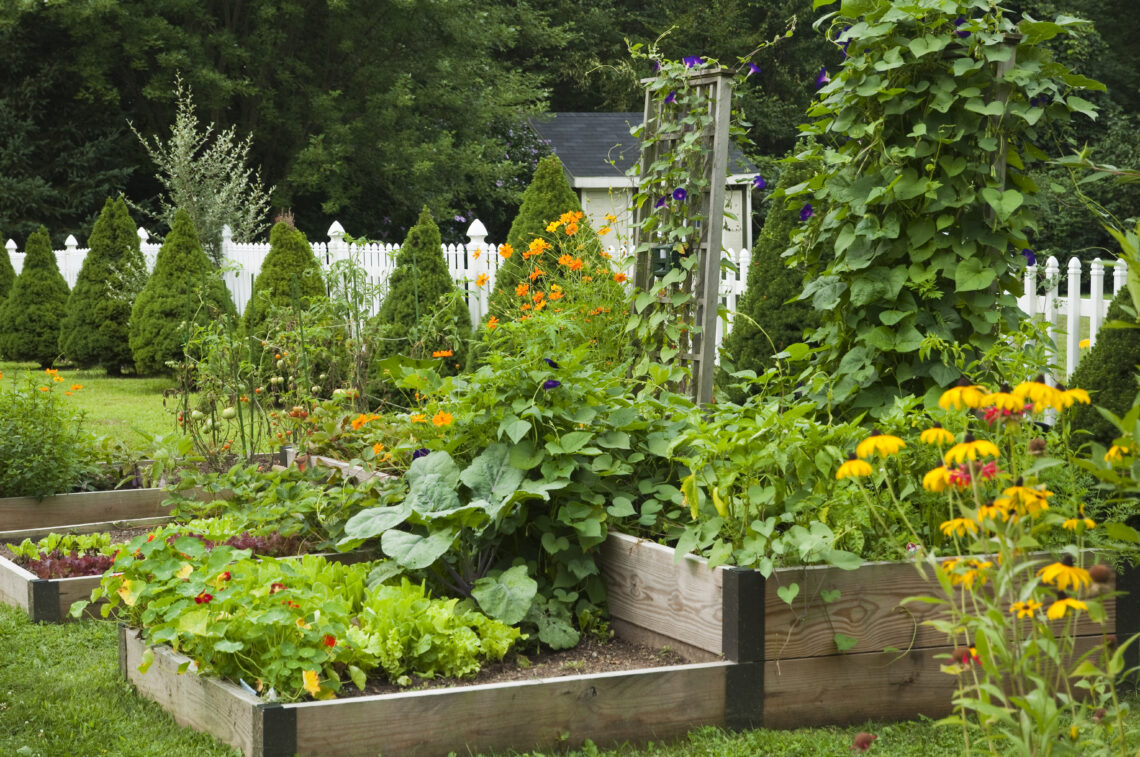
Preparing Your Garden for Summer: Essential Tasks for Late Spring
As the days lengthen and temperatures rise, late spring is the perfect time to start preparing your garden for the hot summer months ahead. While it may seem like a relaxing time of year, there are several essential tasks every gardener should tackle to ensure a healthy, thriving garden throughout the summer. Here’s a guide to help you take the necessary steps for a beautiful and productive garden.
1. Tidy Up and Clean Your Garden Beds
Before you dive into planting or pruning, it’s important to give your garden beds a good cleanup. Remove any weeds, dead plants, and fallen leaves that could harbor pests or diseases. A tidy bed helps reduce competition for nutrients and water, and it creates a healthier environment for your new plants.
- Tip: Consider using a hoe or hand weeder to target weeds before they establish deep roots.
2. Test Your Soil
Late spring is a great time to test your garden’s soil, especially if you plan on planting new flowers or vegetables. Soil testing will tell you the pH level and nutrient content, allowing you to amend the soil for optimal growth.
- How to test: You can buy a simple soil test kit from your local garden center or send a sample to a lab for a more detailed analysis.
- Adjustments: Based on your test results, you may need to add compost, lime, or other soil amendments to adjust the pH or boost nutrients.
3. Add Mulch to Conserve Moisture
As summer temperatures soar, moisture becomes crucial to plant health. Applying a fresh layer of mulch around your plants not only keeps the soil cool but also helps retain moisture, suppresses weeds, and improves soil structure over time.
- What to use: Organic mulches like shredded bark, wood chips, or straw are excellent choices. Just be sure to keep the mulch a few inches away from plant stems to avoid rot.
- Tip: Aim for a mulch layer that’s 2 to 3 inches deep to maximize moisture retention without smothering the plants.
4. Prune Your Plants
Pruning is essential for maintaining the health and shape of your plants. In late spring, it’s the ideal time to trim back dead or damaged branches and promote healthy growth.
- Perennials: Remove any dead or damaged growth from perennials to make room for fresh shoots and new flowers.
- Shrubs and trees: Prune any old flowers from shrubs like lilacs or hydrangeas to encourage better blooms in the coming months. If you have fruit-bearing trees, remove any damaged or diseased branches to improve airflow and sunlight exposure.
5. Plant Heat-Loving Crops
Late spring is the time to plant those heat-loving crops that will thrive in the summer months. Crops like tomatoes, peppers, beans, and eggplants all do well in warm soil and sun.
- Tip: Be mindful of your local climate and frost dates. Make sure the last frost has passed before planting these sensitive plants.
- Tip: If you started seeds indoors earlier in the season, now is the time to harden off your plants and prepare them for outdoor life. Gradually acclimate them to full sunlight and outdoor conditions before planting them in the ground.
6. Watering Strategy
As temperatures rise, watering needs increase. Setting up an efficient watering system now will help you stay on top of hydration as summer sets in.
- Drip irrigation: A drip irrigation system is an efficient way to target your plants’ roots directly, reducing water waste and promoting healthier plants.
- Soaker hoses: These hoses are great for garden beds and flower borders, gently releasing water along the soil’s surface.
- Tip: Water early in the morning or late in the evening to avoid evaporation during the hottest parts of the day.
7. Prepare for Pests and Diseases
Springtime often brings a surge of pests, which can wreak havoc on your garden if left unchecked. Preventative measures are essential to keep your plants healthy and free of pests.
- Natural repellents: Consider planting pest-repelling herbs like basil, garlic, or marigolds near susceptible plants. These plants naturally deter pests and attract beneficial insects.
- Check regularly: Keep an eye out for aphids, spider mites, and caterpillars. Hand-picking pests or using organic insecticidal soaps can keep these problems under control without harming beneficial insects.
- Tip: Regularly inspect the underside of leaves, as pests often hide there.
8. Prepare for Summer’s Heat
Summer heat can be overwhelming for your plants. It’s important to take steps now to help them withstand the scorching sun.
- Shade: Consider providing temporary shade for more delicate plants with shade cloth or by planting taller crops to cast shadows. This can help them thrive during peak summer temperatures.
- Soil health: Add organic matter like compost to improve the soil’s structure and water retention abilities. Healthy soil can retain more moisture and provide your plants with a more consistent supply of nutrients.
9. Continue to Harvest Spring Crops
If you planted early spring crops like lettuce, spinach, or radishes, continue to harvest them before the summer heat takes over. Many cool-season crops will bolt or become bitter as the weather warms, so make the most of them while they’re still fresh.
- Tip: Try succession planting by sowing another round of fast-growing crops like beans, lettuce, or herbs to enjoy fresh produce all summer long.
10. Stay Ahead of Weeds
Weeding can become a major chore once summer rolls around, so it’s essential to stay on top of it in late spring. Early weeding will help prevent weeds from establishing deep roots, making them easier to remove.
- Tip: Use a hoe or garden fork to target weeds before they go to seed. If you have persistent weed problems, try covering garden paths or bare soil with landscape fabric to suppress weed growth.
Conclusion
By following these essential tasks in late spring, you’ll set your garden up for success throughout the summer months. Whether you’re focused on growing beautiful flowers, bountiful vegetables, or a combination of both, taking the time to prepare your garden now will pay off with healthier plants, fewer pests, and a more enjoyable gardening experience. So roll up your sleeves and get to work — your summer garden will thank you!
