- Uncategorized
Winter-Ready Herds: Nutrition Tweaks for Cold Weather Resilience
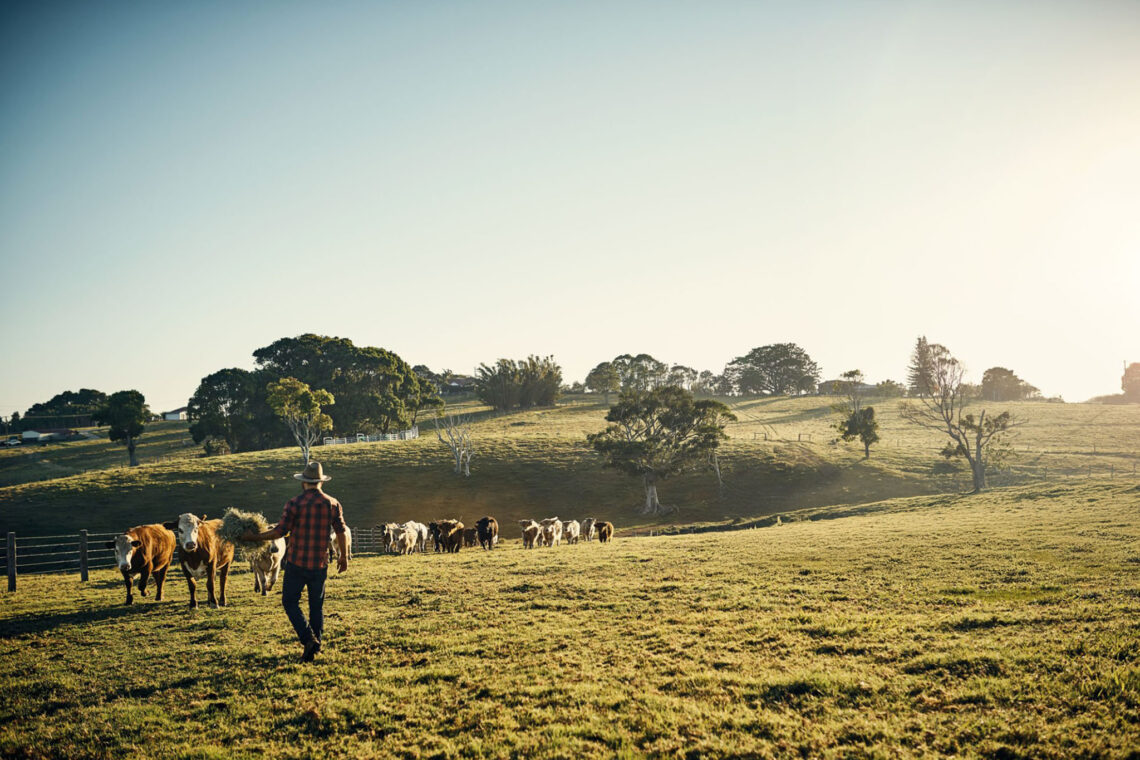
As fall fades and temperatures dip, livestock herds begin facing one of the toughest seasonal transitions: winter. Shortened grazing hours, dormant pastures, and cold stress can all chip away at animal health and productivity if their nutritional needs aren’t adjusted. A balanced ration in summer may fall short in the face of icy winds and snow-packed fields. Preparing your herd nutritionally isn’t about overfeeding—it’s about fine-tuning diets to give animals the resilience they need to thrive through the cold. 1. The Energy Factor: Fueling the Furnace When the thermometer drops, animals burn more calories just to stay warm. Unlike summer feeding, where energy needs often center around activity or lactation,…
- Uncategorized
Low-Cost Winter Feed Storage: Stretching Supplies Safely
As fall slips toward winter, livestock owners face one of the most pressing challenges of the year: ensuring they have enough feed on hand to carry their herd through the cold months. While buying and stockpiling feed is half the battle, storing it properly—without breaking the bank—is where many operations either save money or lose it. Rodents, moisture, mold, and spoilage can quickly erode supplies, driving up costs and threatening animal health. The good news is, with a little planning and some resourceful thinking, you can stretch your feed safely while keeping storage expenses in check. 1. Know Your Inventory and Plan Ahead The cheapest feed is the feed you…
- Uncategorized
Fall Soil Reset: Building Fertility Before Winter’s Chill
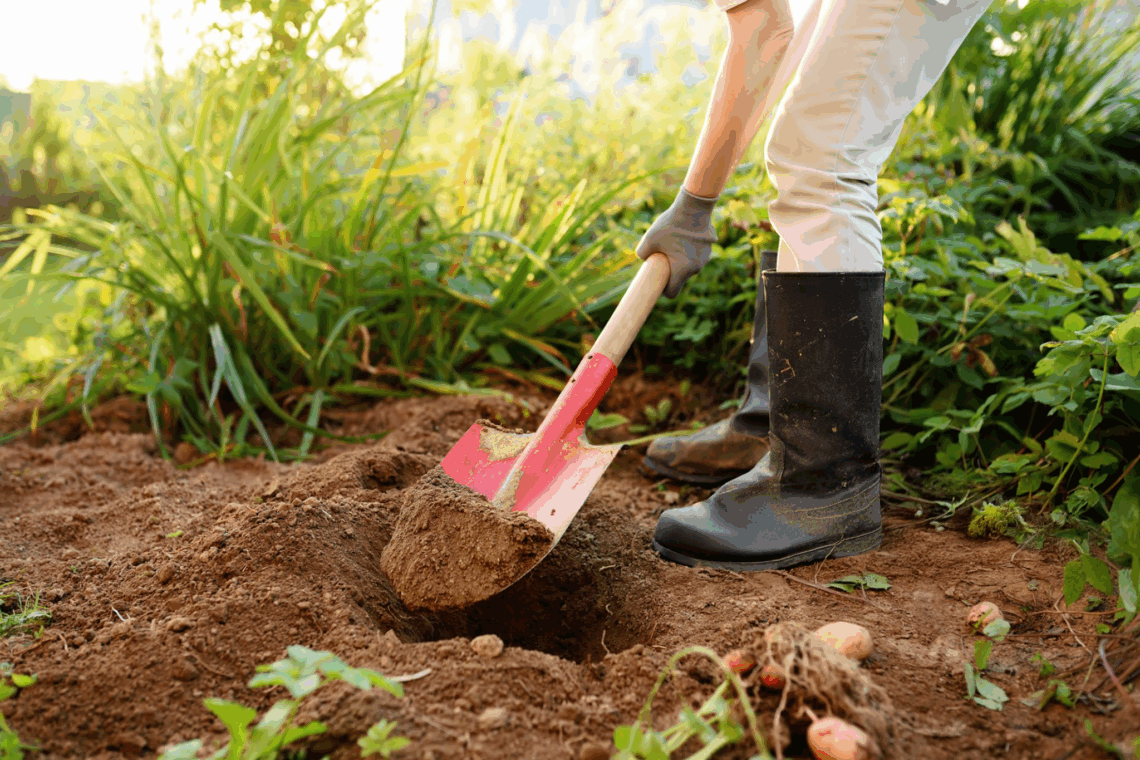
As the gardening season winds down and the first frosty nights creep in, it’s easy to hang up your gloves and call it a year. But seasoned gardeners know that fall isn’t just an ending — it’s a prime opportunity to reset your soil. What you do now lays the foundation for healthier, more productive beds come spring. Building fertility before winter’s chill isn’t about quick fixes. It’s about working with nature’s rhythms to recharge the soil’s biology, structure, and nutrient bank. Why Fall Is the Best Time for Soil Work Unlike the hustle of spring, fall offers a slower pace. Beds are clearing, weeds are easier to spot, and…
- Uncategorized
Leaf Gold: Turning Autumn Leaves into Next Year’s Compost Treasure
As trees paint the landscape in fiery reds, golds, and oranges, most folks see only the backbreaking task of raking and hauling leaves. But gardeners know better: those autumn leaves aren’t just yard waste — they’re a free, nutrient-rich gift that can transform into what many call “black gold.” With the right approach, this seasonal abundance becomes a powerhouse compost that fuels next year’s garden beds. Why Leaves Are a Gardener’s Treasure Autumn leaves are loaded with carbon — the “brown” component every compost pile needs. When paired with nitrogen-rich “greens” like grass clippings, food scraps, or manure, leaves help create the perfect balance for decomposition. Beyond structure, leaves contribute…
- Uncategorized
Pasture Rotation in Fall: Resting Fields for Strong Spring Growth
For ranchers and livestock managers, fall is more than just the end of the grazing season—it’s a turning point that sets the tone for the pastures you’ll rely on next spring. While it’s tempting to graze every acre down before winter hay feeding begins, smart pasture rotation during fall pays dividends in the form of healthier forage stands, stronger root systems, and earlier green-up when temperatures rise again. Resting fields isn’t just a nice-to-have—it’s an investment in the long-term productivity of your land. Why Fall Pasture Management Matters Perennial grasses and legumes are living systems that need time and energy reserves to survive the winter and thrive the following year.…
- Uncategorized
Winter Feed Planning: Stocking Up Before the Cold Snap
As the days grow shorter and the first frosts creep in, ranchers and livestock owners know one truth: winter feed is as valuable as fuel in the tank. When pastures stop producing and snow blankets the ground, the hay, silage, and supplements you’ve prepared ahead of time will decide whether your herd thrives or struggles. Smart winter feed planning is about more than stacking bales in the barn—it’s about assessing your herd’s needs, protecting feed quality, and building a strategy that stretches resources without compromising animal health. Step One: Calculate the Herd’s Needs Guessing isn’t good enough when it comes to feed planning. Every animal on your place—from brood cows…
- Uncategorized
Garden Clean-Up with Purpose: Preventing Pests and Disease Carryover
As summer fades and fall edges closer, the temptation to leave the garden be—or to simply mow it down and call it done—is strong. But a purposeful garden clean-up can be the difference between thriving plants next season and a frustrating battle with pests and diseases. By tackling fall chores strategically, you can break the life cycles of harmful insects, reduce disease pressure, and set your soil and plants up for success in spring. Why Fall Clean-Up Matters Many garden pests and diseases overwinter in plant debris. Aphids leave eggs on stems, squash bugs hide under dead vines, and fungal spores from diseases like powdery mildew linger on fallen leaves.…
- Uncategorized
Mulch Matters: Locking in Moisture and Warding Off Weeds Before Frost
As summer winds down and the first hints of autumn creep into the evenings, many gardeners begin shifting their focus from harvesting to preparing their beds for the colder months ahead. One of the most effective tools in this transition isn’t a fancy fertilizer or a costly soil amendment—it’s mulch. Applying mulch at the right time, in the right way, can mean the difference between beds that struggle through winter and ones that emerge in spring healthier, richer, and more resilient. Why Mulch in Late Summer or Early Fall? By late August and September, soil has built up a season’s worth of heat and activity. Moisture can still evaporate quickly…
- Uncategorized
Parasite Management: Reducing Herd Stress in the Fall Transition
As the seasons shift from late summer into fall, ranchers often focus on forage, water, and preparing livestock for the colder months ahead. But there’s another factor that can quietly drain productivity and health from a herd: internal and external parasites. Managing parasites during the fall transition is not only about animal comfort—it’s about reducing stress, protecting body condition, and setting the stage for healthier livestock going into winter. Why Fall Parasite Control Matters Parasite loads typically peak during the warm, moist conditions of late spring and summer. By the time fall arrives, cattle and other grazing livestock may be carrying significant internal worm burdens or suffering from external pests…
- Uncategorized
Stockpile Grazing: Stretching Grass Resources into Winter
When it comes to managing forage through the cold season, stockpile grazing has become one of the most practical and cost-saving strategies available to ranchers. Instead of feeding hay all winter, producers can extend the grazing season by “banking” grass in late summer and fall, allowing livestock to harvest their own feed well into the colder months. Done right, stockpile grazing preserves pasture health, saves labor, and reduces feed costs—all without sacrificing animal performance. What Is Stockpile Grazing? Stockpile grazing is the practice of allowing pastures to grow during late summer and fall, then deferring grazing until later in the season. The idea is simple: instead of cutting the forage…