-
Late Fall Pruning: Setting Trees and Shrubs Up for Spring
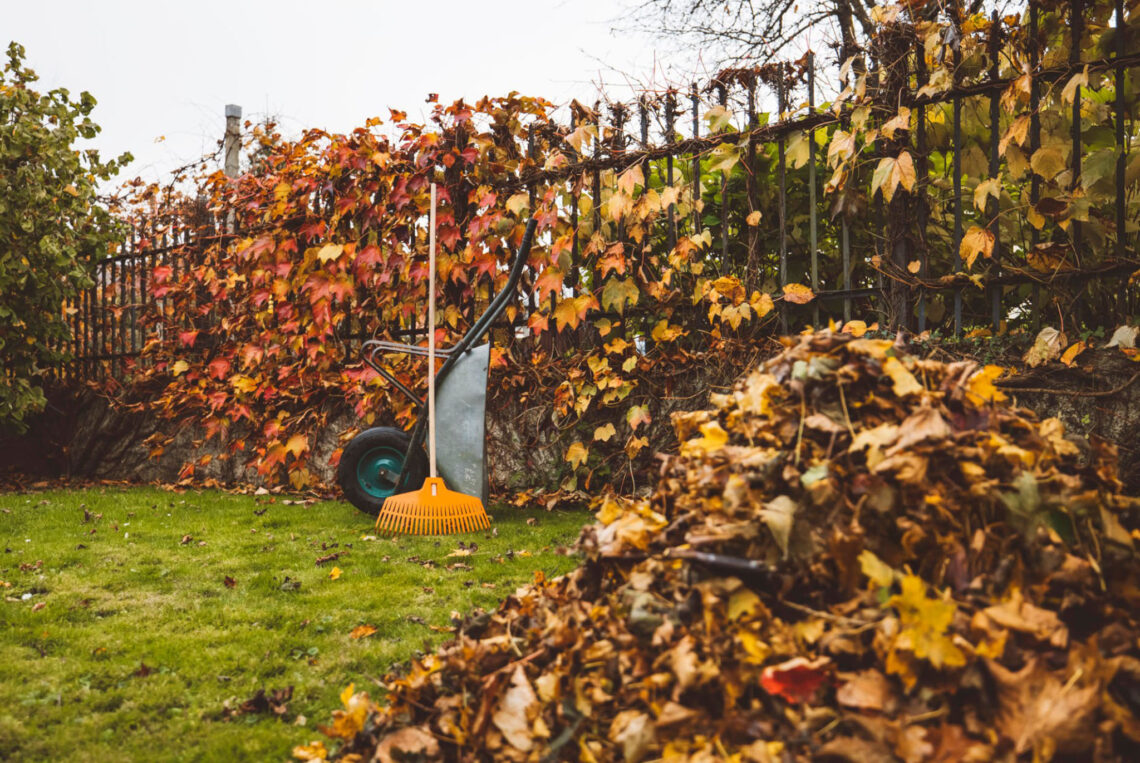
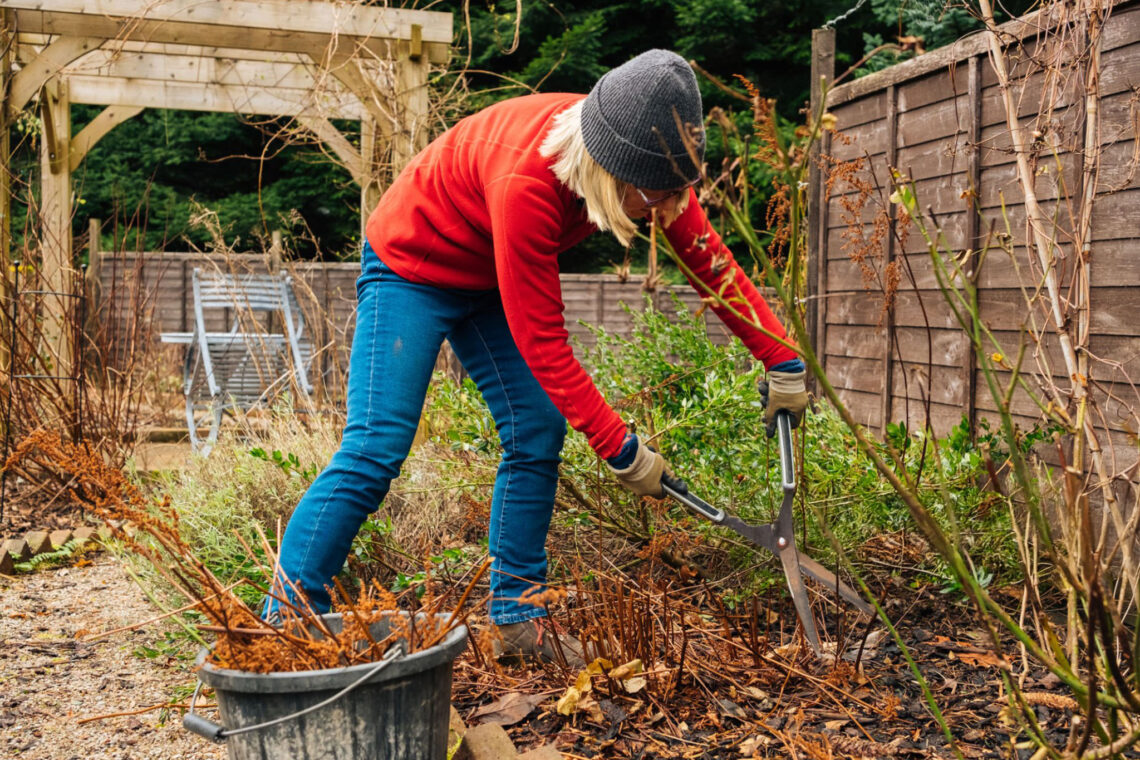
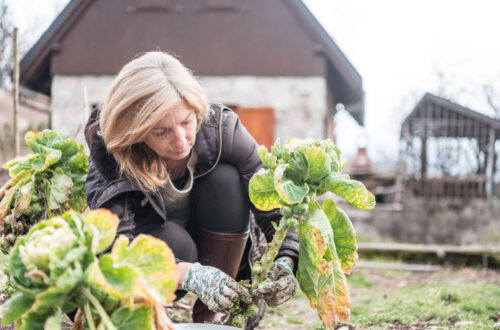
As the last leaves drift from the trees and the garden quiets for winter, many gardeners overlook a crucial task: late fall pruning. This seasonal practice isn’t just about aesthetics—it’s a strategic way to boost plant health, prevent disease, and set trees and shrubs up for vigorous spring growth. With the right approach, pruning in late fall can save you time, reduce stress on plants, and improve your landscape’s long-term vitality. Why Late Fall Is the Perfect Time Pruning in late fall, after most leaves have dropped but before the ground freezes, offers several advantages: Tools and Techniques for Effective Fall Pruning Essential Tools Pruning Principles Tree-Specific Tips Shrub-Specific Tips…
-
Mulch Mastery: Locking in Soil Heat for Early Spring Planting
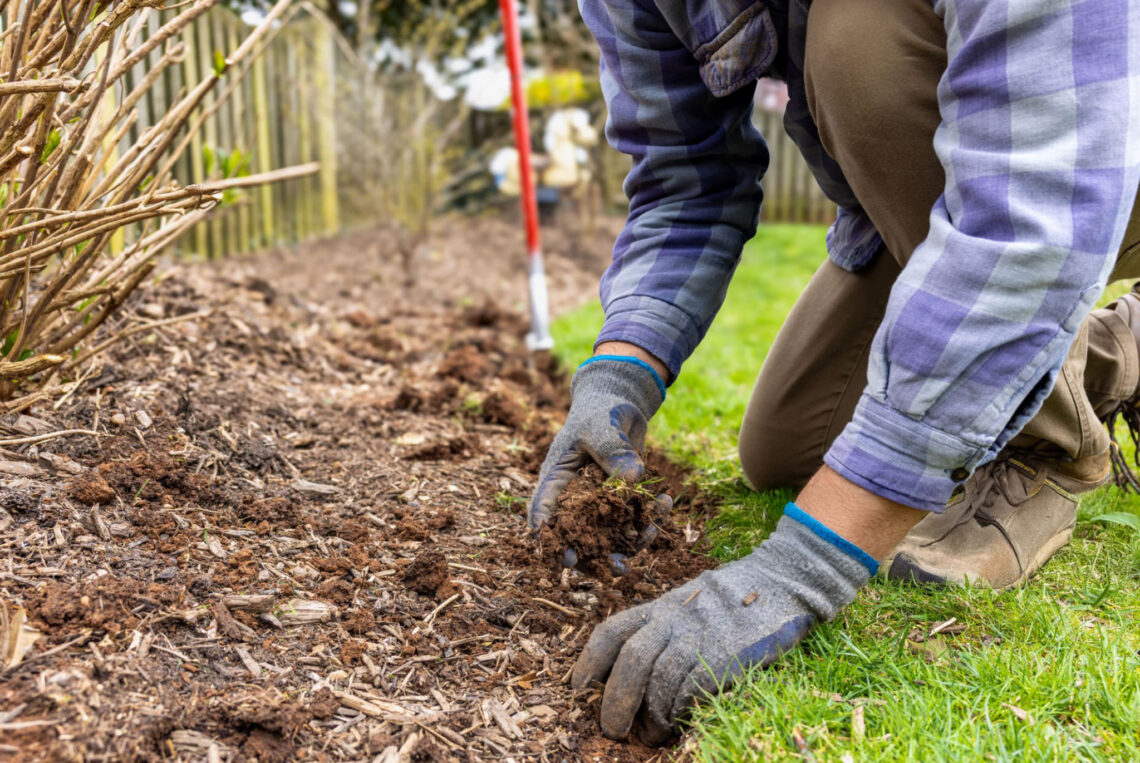
As winter winds blow and temperatures drop, gardeners often worry that their soil will remain too cold for early spring planting. The secret to getting a head start on the growing season lies in effective mulching. With the right mulch strategies, you can retain soil heat, prevent moisture loss, and protect root systems, giving your plants a strong foundation for spring growth. Why Mulch Matters in Late Winter Mulch is more than just a tidy garden cover. In cold months, it serves several critical purposes: Choosing the Right Mulch Different mulch types offer different benefits for winter and early spring: Tip: Layer Wisely Aim for a 2–4 inch layer of…
-
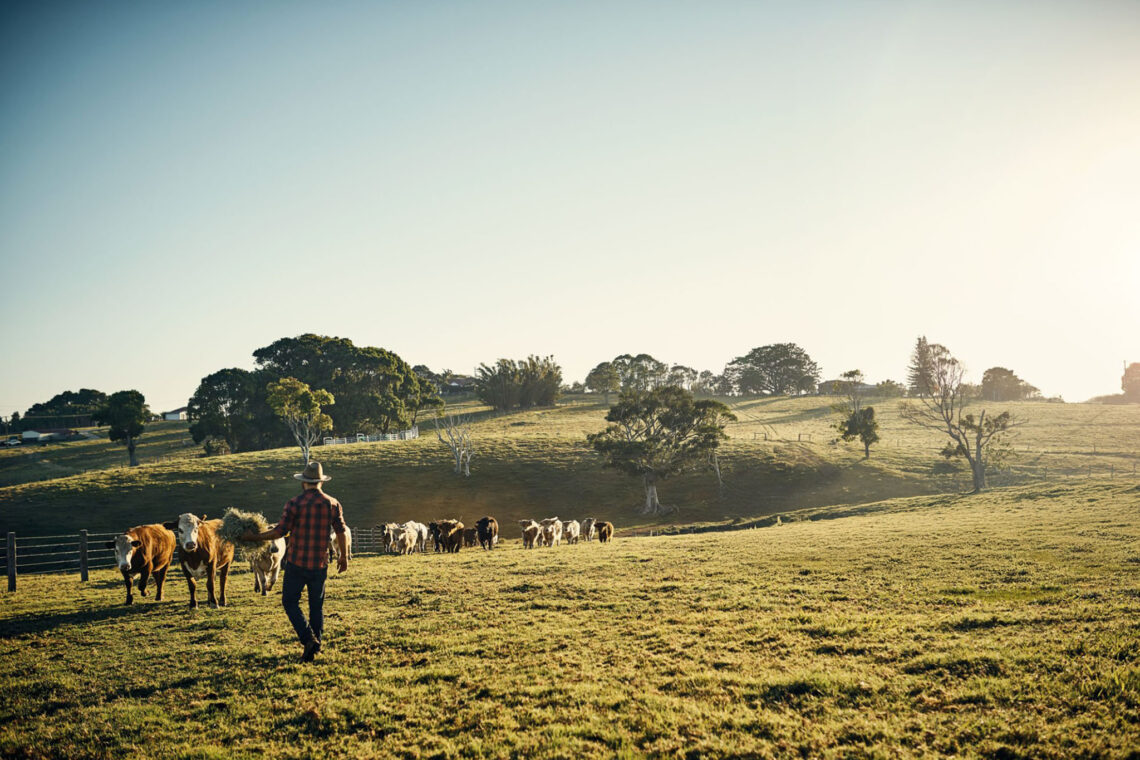
Cold-Season Grazing: Rotating Pastures for Maximum Survival
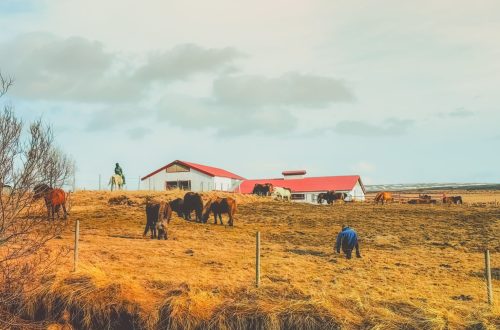
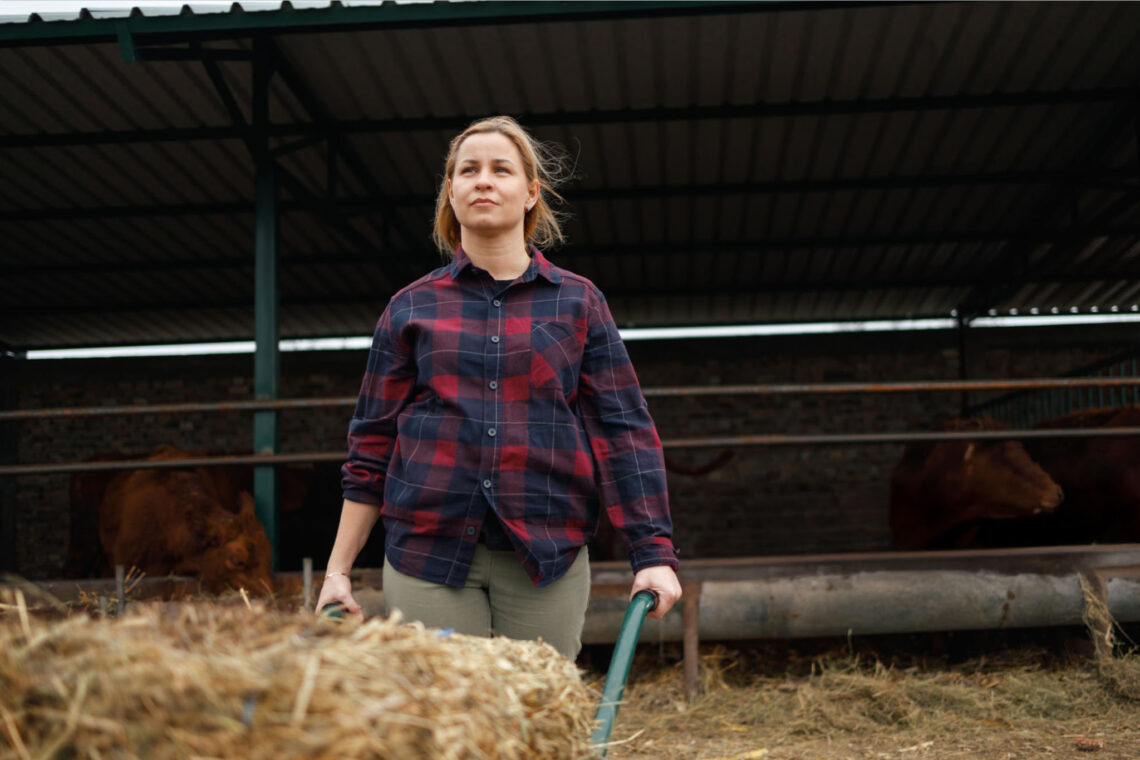
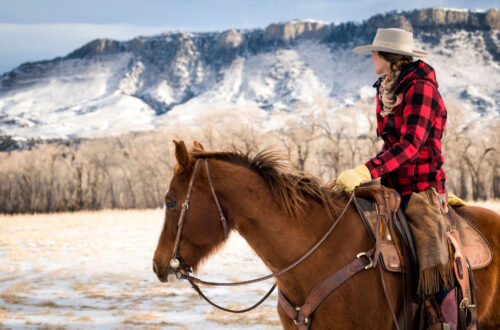
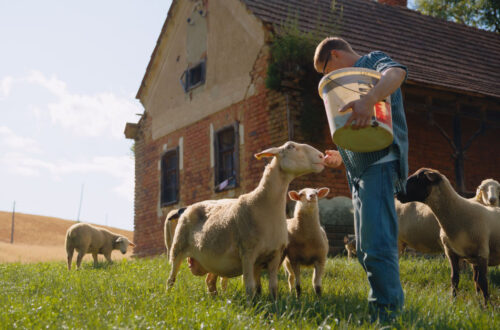
As winter approaches, maintaining healthy pastures and keeping livestock well-fed becomes a key challenge for ranchers. Cold-season grazing, when managed properly, can reduce feed costs, preserve pasture health, and ensure that your herd survives the winter strong. One of the most effective strategies is rotational grazing, which allows pastures to recover while giving livestock access to fresh forage. Why Cold-Season Grazing Matters During the colder months, grasses and forage slow their growth, and pasture productivity declines. Livestock will naturally seek the most accessible and palatable areas, which can lead to overgrazing and soil compaction. Overgrazed fields are more susceptible to erosion, nutrient depletion, and poor regrowth in spring. Rotational grazing…
-
Hay Bale Storage Secrets: Keeping Feed Dry and Nutritious
As the cold months approach, keeping your hay dry and nutritious becomes a top priority for every rancher. Proper storage not only preserves the nutritional value of your feed but also prevents costly losses from mold, rot, or spoilage. Whether you manage a small family farm or a larger operation, understanding the best practices for hay storage can make a huge difference in your livestock’s health and your farm’s efficiency. Why Proper Hay Storage Matters Hay is the backbone of winter feeding for cattle, horses, sheep, and goats. Exposure to moisture can lead to mold, fermentation, and nutrient degradation. Moldy hay is not only less nutritious but can also pose…
You May Also Like
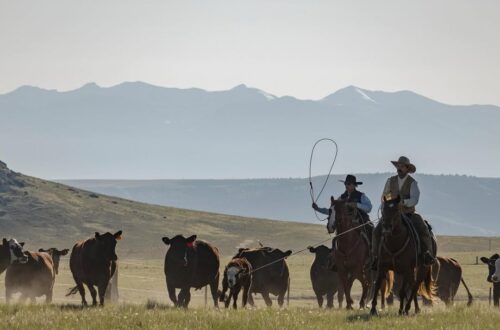
Micro-Forage Management: Maximizing Small Patches of High-Quality Grass
Best Boots for Golf Course Groundskeeping: Footwear for Wet Fairways, Morning Dew, Irrigation, and Course Maintenance

Best Boots for Potato Farm Work: Waterproof Footwear for Muddy Fields, Harvest, Irrigation, and Long Farm Shifts
-
From Kitchen Scraps to Spring Starts: Composting Indoors Like a Pro
As winter loosens its grip and spring waits just over the horizon, there’s one task that often separates thriving homesteads and productive farms from those that struggle to catch up — a pre-thaw soil health checkup. Before the ground warms and seeds hit the dirt, taking time to test and fine-tune your soil can make all the difference in yield, pasture performance, and long-term fertility. This isn’t just busywork for gardeners or ranchers looking to stay active in the off-season. It’s a strategic move — one that ensures every pound of fertilizer, every drop of water, and every hour of work pays off in the growing months ahead. Let’s break…
-
Soil Health Checkup: Testing and Tuning Before the Thaw Arrives
As winter loosens its grip and spring waits just over the horizon, there’s one task that often separates thriving homesteads and productive farms from those that struggle to catch up — a pre-thaw soil health checkup. Before the ground warms and seeds hit the dirt, taking time to test and fine-tune your soil can make all the difference in yield, pasture performance, and long-term fertility. This isn’t just busywork for gardeners or ranchers looking to stay active in the off-season. It’s a strategic move — one that ensures every pound of fertilizer, every drop of water, and every hour of work pays off in the growing months ahead. Let’s break…
You May Also Like
Best Boots for Blueberry Farm Work: Waterproof Footwear for Wet Grass, Irrigation, Harvest, and Muddy Rows
Fencing Fundamentals: Winter Repairs and Reinforcements for Ranchers
Best Boots for Cranberry Bog Work: Waterproof Footwear for Flooded Fields, Muddy Dikes, and Harvest Season
-
Shelter from the Storm: Building Windbreaks That Last All Season
When icy winds sweep across open pastures and snow piles against barn walls, a well-designed windbreak becomes more than a comfort — it’s a necessity. Whether you’re managing cattle, sheep, horses, or simply protecting your garden and homestead, effective windbreaks can reduce stress on animals, cut feed costs, and create calmer, more productive environments. But not all windbreaks are created equal. The difference between a temporary fix and a season-long solution comes down to smart planning, proper materials, and long-term thinking. 1. Why Windbreaks Matter More Than You Think Winter wind doesn’t just bring discomfort — it steals energy. For livestock, that means higher calorie needs and lower efficiency. Studies…
-
Feeding Smarter, Not Harder: Winter Ration Planning for Your Herd
When the temperatures drop and the pastures fade to brown, every rancher faces the same challenge — how to keep the herd in good condition without overfeeding or overspending. Winter feeding isn’t just about tossing out hay bales and hoping for the best. It’s a calculated balance between nutrition, efficiency, and cost. Smart ration planning helps your animals maintain weight, stay healthy, and even thrive through the toughest months — while protecting your bottom line. 1. Understanding Winter Energy Demands As the mercury falls, livestock expend more energy simply to stay warm. A cow that required 15 pounds of dry matter in the fall may need closer to 18–20 pounds…
-
Garden Bed Reset: Preparing Soil for a Fertile Spring Start
As winter approaches, many gardeners turn their attention from harvesting to planning. Preparing your garden beds now is essential for ensuring a fertile, productive spring garden. A proper soil reset improves structure, nutrient content, and water retention, setting the stage for healthy plants and abundant harvests when temperatures rise. 1. Why Winter Preparation Matters Fall and early winter are ideal for soil preparation because: Neglecting this step can result in poor germination, stunted growth, and nutrient deficiencies when spring planting begins. 2. Clearing and Cleaning the Bed Begin by removing debris such as dead plants, fallen leaves, and old mulch. This step creates a clean canvas and reduces problems before…
-
Winter Herbs That Thrive When Everything Else Sleeps
When frost blankets the garden and most plants retreat into dormancy, a select group of hardy herbs continues to flourish. For American gardeners who want fresh flavors through the colder months, winter herbs are the secret to keeping your kitchen vibrant and your garden productive. Understanding which herbs thrive in low temperatures, how to protect them, and how to maximize their flavors can turn a seemingly “dead” garden into a winter oasis. 1. Understanding Winter-Hardy Herbs Winter herbs are resilient plants that can withstand cold temperatures, light frost, and even occasional snow. Unlike tender summer herbs, they continue slow growth during winter or retain their flavor when grown indoors. These…