From Beds to Borders: Mid-Summer Maintenance for Maximum Growth
Mid-summer in the garden is a time of lush growth, vibrant blooms, and—let’s be honest—a little chaos. By July, your flower beds and garden borders are in full swing, but so are the weeds, pests, and the relentless summer heat.
If you want your garden to keep thriving through the dog days and into the fall, now is the perfect time for mid-summer maintenance. With the right strategies, you can refresh tired plants, prevent common problems, and set the stage for continued success.
Here’s your step-by-step guide to mid-summer garden care—from your flower beds to the outermost borders.
🌿 1. Refresh and Revitalize Flower Beds
✅ Deadhead for Continuous Blooms
- Snip spent flowers from annuals like petunias and zinnias to encourage new blooms.
- For perennials like Echinacea or Black-Eyed Susans, remove fading flowers to prevent self-seeding and keep things tidy.
✅ Replenish Mulch
- Check mulch levels and add a fresh 1–2 inches where needed to retain moisture and suppress weeds.
- Use organic options like shredded bark or composted leaves that enrich the soil as they break down.
✅ Water Deeply, Not Frequently
- Focus on early morning deep watering (1–2 inches per week) to encourage strong root systems.
- Avoid light, daily watering that can stress plants during heatwaves.
🌸 2. Border Maintenance: Keeping Edges Sharp
✅ Tame Overgrowth
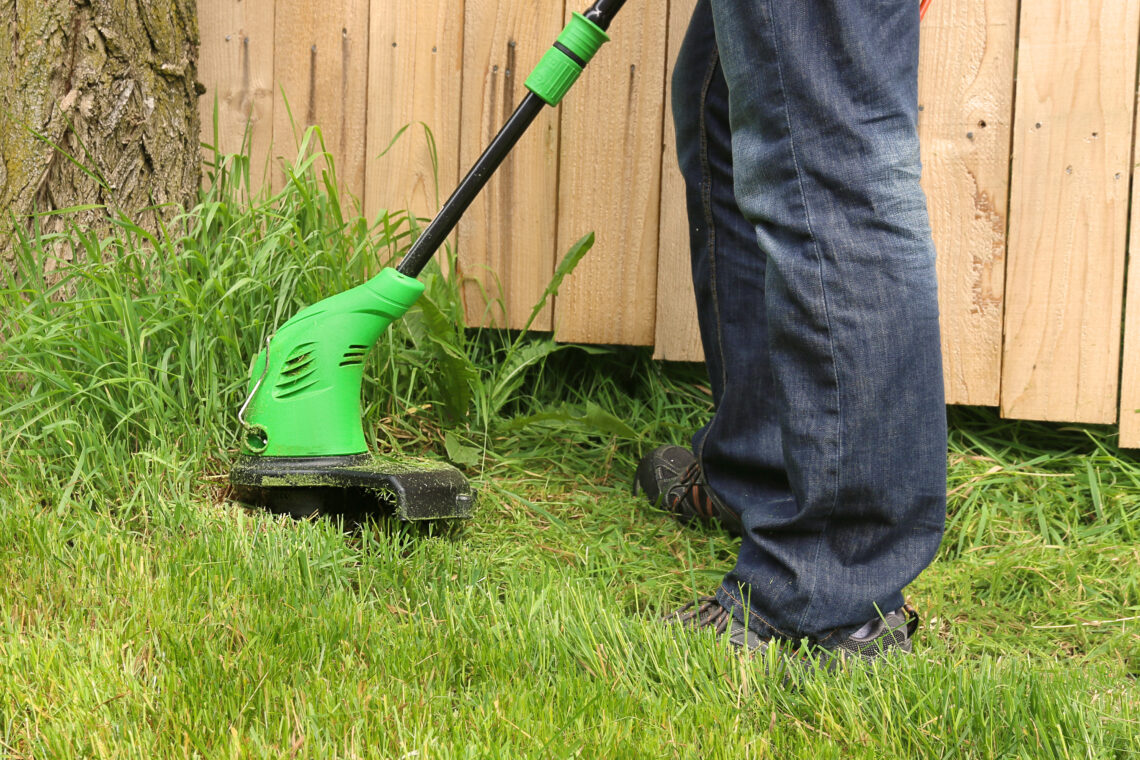
- Use hedge shears or a string trimmer to neaten up shrubs and ornamental grasses creeping into pathways.
- Thin out aggressive spreaders like mint or creeping Jenny before they take over.
✅ Edge Beds for a Crisp Look
- Re-cut bed edges with a spade or edging tool for that clean, professional finish.
✅ Inspect for Pests
- Watch for Japanese beetles on roses and aphids on tender growth. Treat with insecticidal soap or hand-pick where possible.
🌱 3. Feed for Late-Summer Growth
- Apply a balanced fertilizer (10-10-10) to heavy feeders like vegetables and annual flowers.
- Avoid high-nitrogen fertilizers on perennials now—they can encourage tender growth prone to heat damage.
- Consider a slow-release organic fertilizer to feed beds and borders gently over time.
🌻 4. Combat Heat Stress and Drought
✅ Shade Tender Plants
- Install shade cloth over delicate flowers like impatiens or newly planted seedlings during extreme heat.
✅ Check Soil Moisture
- Use your finger or a moisture meter—if the soil is dry 2 inches down, it’s time to water.
✅ Group Containers
- Cluster potted plants together to create a mini microclimate and reduce evaporation.
🪻 5. Plan for Late-Season Color
- Sow late-summer annuals like marigolds or cosmos to fill in gaps.
- Plant fall bloomers such as chrysanthemums or asters in borders now to get them established.
- Divide spring-blooming perennials if they’re overcrowded—this gives them time to recover before cooler weather.
🧤 Pro Gardeners’ Mid-Summer Checklist
✔ Weed Weekly: Don’t let weeds steal water and nutrients from your plants.
✔ Prune Strategically: Lightly trim shrubs to encourage bushier growth and remove damaged branches.
✔ Monitor for Disease: Powdery mildew and blight are common now; prune for air circulation and apply fungicides if needed.
✔ Support Heavy Growers: Stake tall plants like dahlias and sunflowers to keep them upright in summer storms.
🏆 Final Thoughts: A Little Effort Now, A Big Payoff Later
Mid-summer maintenance isn’t just about keeping your garden looking beautiful—it’s about creating the right conditions for maximum growth and resilience during the toughest part of the season.
From rejuvenating your beds to tightening up your borders, a few well-timed tasks can ensure your garden stays vibrant right into the fall. So grab your gloves, sharpen those shears, and enjoy the process—because every little effort now means bigger blooms and healthier plants later.

