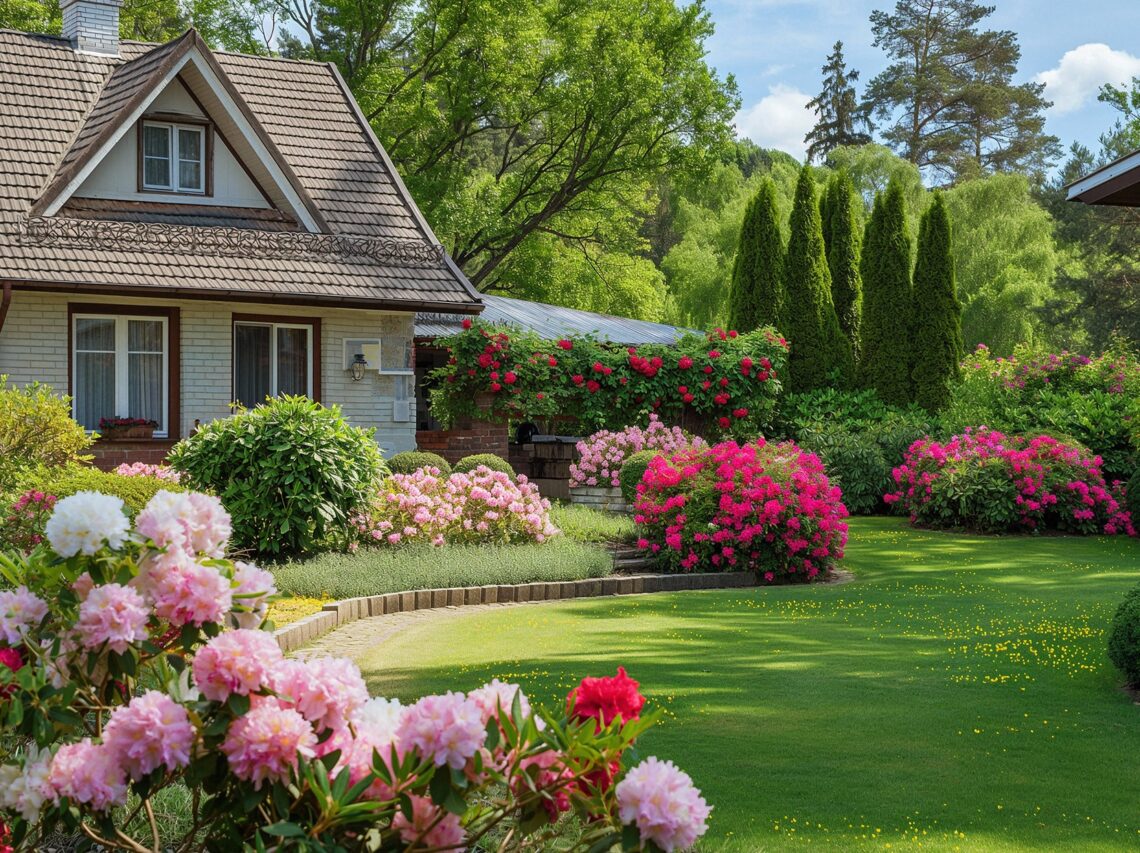
Heat-Proof Garden Designs: Plant Choices and Layout Tips
When the summer sun blazes and temperatures soar, your garden doesn’t have to suffer. The key to thriving in hot weather isn’t just more water—it’s smarter design and plant choices. Whether you’re working with a sprawling yard or a cozy backyard, creating a heat-proof garden means planning for resilience, beauty, and low-maintenance success.
Here’s how to design a garden that can take the heat and keep on flourishing.
☀️ 1. Start with Smart Garden Design Principles
✅ Plan for Shade and Sun
- Place heat-tolerant plants in areas with full sun and group shade-lovers under trees or pergolas.
- Consider adding structures like arbors, trellises, or shade cloth to protect delicate blooms during peak hours.
✅ Use the “Right Plant, Right Place” Rule
- Know your garden’s microclimates. South-facing beds tend to bake, while north-facing areas stay cooler. Match plants accordingly.
✅ Group Plants by Water Needs
- Designate zones for drought-tolerant plants like lavender or yarrow and keep thirsty plants like hydrangeas closer to a water source.
✅ Incorporate Hardscaping
- Stone pathways, gravel mulch, and raised beds not only look great but also help retain soil moisture and reduce weed competition.
🌵 2. Top Heat-Tolerant Plant Choices for Summer Gardens
🌿 Perennials for Full Sun
- Coneflower (Echinacea): Tough, pollinator-friendly, and thrives in heat.
- Russian Sage: Silvery foliage and purple flowers that laugh at drought.
- Daylilies: Low-maintenance and bloom even in dry conditions.
🌱 Drought-Resistant Annuals
- Zinnias: Bold colors and unbeatable sun tolerance.
- Portulaca (Moss Rose): Loves heat and poor soil.
- Lantana: Vibrant clusters that attract butterflies all summer long.
🌳 Shrubs & Grasses
- Boxwood or Barberry: Great for structure and borders.
- Panicum (Switchgrass): Adds movement and thrives in blazing sun.
🪴 3. Layout Tips for Heat-Proof Success
✅ Layer Your Garden
- Place taller, sun-loving plants toward the back or center of beds to act as natural shade for smaller, more delicate plants in front.
✅ Mulch Generously
- A 2–3 inch layer of organic mulch keeps roots cool and reduces evaporation.
✅ Add Windbreaks
- Plant hedges or install fences to shield gardens from hot, drying winds.
✅ Choose Light-Colored Hardscaping
- Pale pavers and gravel reflect heat instead of absorbing it like dark stone.
💧 4. Water-Smart Strategies for Hot Gardens
- Drip Irrigation: Delivers water directly to roots and minimizes evaporation.
- Water Early: Reduce stress and fungal issues by watering in the cool morning hours.
- Create Water-Holding Basins: Around new plants to direct water where it’s needed most.
🌺 5. Design Features to Beat the Heat
✅ Plant a Living Mulch
- Use groundcovers like creeping thyme or sedum to keep soil cooler.
✅ Go Vertical
- Train climbing plants like bougainvillea or morning glory up trellises for vertical color and shade.
✅ Incorporate Reflective and Cooling Elements
- Add a small water feature or light-colored garden ornaments to cool down the space visually and physically.
🏆 Final Thoughts: A Garden That Works With the Sun, Not Against It
A well-designed, heat-proof garden doesn’t just survive summer—it thrives in it. By choosing the right plants, arranging them thoughtfully, and using water wisely, you’ll create a space that’s as tough as it is beautiful.
Think of it this way: work with your climate, not against it. Your garden (and your water bill) will thank you later.

