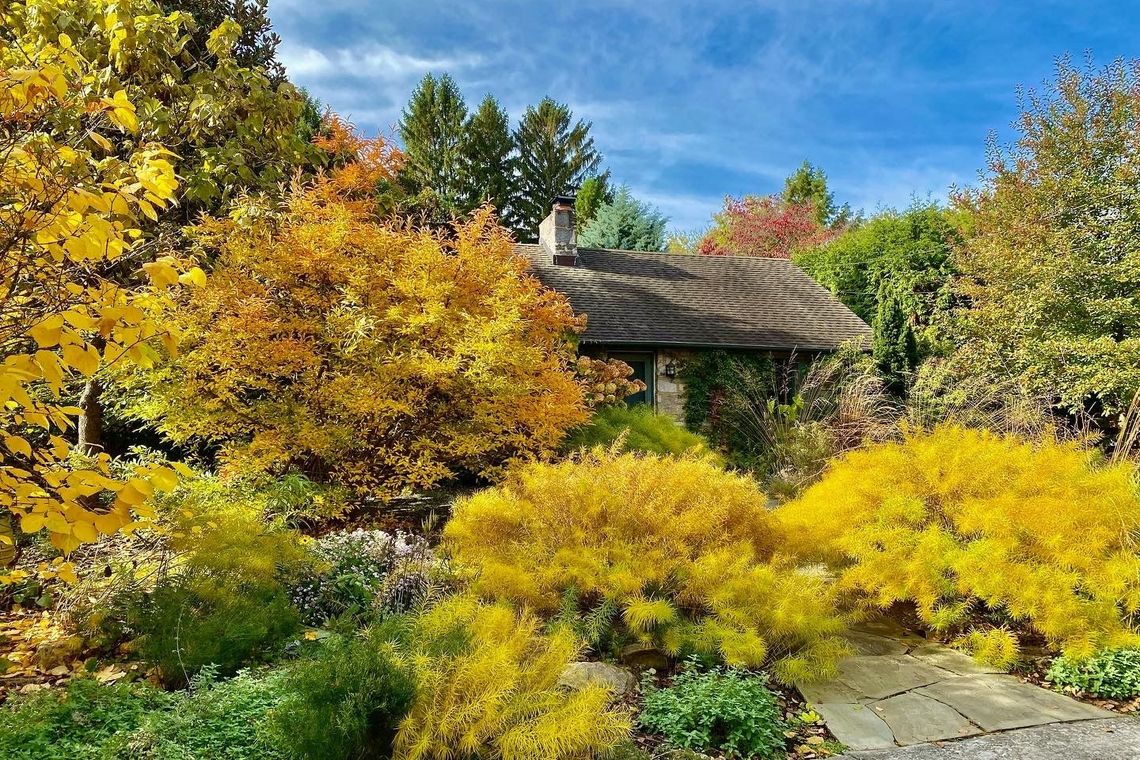
Attract Pollinators: How to Make Your Garden Bee-Friendly
Pollinators like bees, butterflies, and hummingbirds are the unsung heroes of our gardens. Without them, many of our fruits, vegetables, and flowers simply wouldn’t exist. If you’re looking to create a thriving garden that supports pollinators—especially bees—you’re not just helping your plants, you’re playing a role in protecting a vital part of our ecosystem.
In this guide, we’ll walk you through how to make your garden a haven for bees, with simple steps that are perfect for both beginners and seasoned green thumbs.
🐝 Why Bees Matter in the Garden
Bees are one of the most efficient pollinators on Earth. They transfer pollen from flower to flower, helping plants produce fruits and seeds. According to the USDA, bees are responsible for pollinating about one-third of the food we eat.
Unfortunately, due to habitat loss, pesticide use, and climate change, many bee populations are in decline. Creating a bee-friendly garden is a meaningful way to support them—and it benefits your garden in return.
🌼 Step 1: Plant Bee-Friendly Flowers
The number one rule for attracting bees is plant diversity. Different bees are attracted to different types of plants, so aim for a mix of colors, shapes, and bloom times.
Top Bee-Friendly Flowers:
- Lavender – A favorite of both bees and humans, with a strong scent and long bloom season.
- Coneflower (Echinacea) – Bright and hardy, it attracts native bees all summer.
- Bee Balm (Monarda) – True to its name, this flower is a bee magnet.
- Black-eyed Susan – A low-maintenance wildflower that’s great for native bees.
- Sunflowers – Their wide faces make them easy landing pads for bees.
📝 Tip: Go for native wildflowers whenever possible—they’re better adapted to your local bee populations.
🌸 Step 2: Aim for Continuous Bloom
To keep pollinators coming back all season, your garden should have something blooming from early spring through late fall. Here’s a rough seasonal guide:
- Spring: Crocus, Dandelion, Lungwort
- Summer: Milkweed, Yarrow, Catmint
- Fall: Goldenrod, Sedum, Asters
Pollinators need a steady supply of nectar and pollen, so planning your bloom schedule is key to supporting them all year long.
🚫 Step 3: Avoid Pesticides
Chemical pesticides—especially neonicotinoids—are highly toxic to bees. Even products labeled as “natural” can be harmful.
Safer Alternatives:
- Neem oil (in small, evening applications)
- Insecticidal soap
- Hand-picking pests or using barriers
- Encouraging beneficial insects like ladybugs and lacewings
If you must use a treatment, spray in the evening when bees are less active, and avoid spraying blooms directly.
💧 Step 4: Provide Water Sources
Bees need more than flowers—they also need clean water to drink and cool their hives.
How to Make a Bee Watering Station:
- Take a shallow dish or pie tin.
- Fill with clean water.
- Add small pebbles or twigs so bees have a place to land.
Replace the water every couple of days to keep it fresh and mosquito-free.
🏡 Step 5: Create Shelter and Nesting Spaces
Unlike honeybees, most native bees are solitary and nest in the ground, hollow stems, or wood crevices.
Ways to Help:
- Leave a bare patch of undisturbed soil for ground-nesting bees.
- Don’t trim back all dead stalks in fall—leave some until spring for stem-nesting bees.
- Install a bee hotel with bamboo tubes or drilled wood blocks.
- Avoid using dyed mulch that can repel insects.
🌿 Step 6: Choose the Right Layout
A garden that’s accessible and navigable for bees makes a huge difference.
Layout Tips:
- Cluster similar flowers together in groups of 3+ to make them easier for bees to find.
- Plant in sunny spots, as most bee-favorite plants thrive in full sun.
- Avoid too much landscape fabric or heavy mulch that prevents ground nesting.
🧠 Bonus: Support All Pollinators
While bees are the main pollinators, butterflies, moths, beetles, and even bats play their part.
You can support them too by:
- Planting milkweed for monarchs
- Growing night-blooming flowers for moths
- Letting some herbs like fennel and dill flower for beneficial wasps
🌍 The Bigger Picture: Bees and Biodiversity
When you plant for pollinators, you’re doing more than just boosting your tomato yield. You’re helping rebuild a fragile ecosystem—right in your backyard. Your garden becomes a sanctuary not only for bees but for birds, butterflies, and future generations.
Final Thoughts
Creating a bee-friendly garden doesn’t take a massive overhaul—just thoughtful planting and mindful choices. By offering food, water, and shelter, you can turn your backyard into a buzzing haven for pollinators and enjoy a more vibrant, fruitful garden in return.
So go ahead—ditch the pesticides, plant those wildflowers, and listen for the happy hum of bees at work. Your garden (and the planet) will thank you.

