Spring Garden Kickstart: The Ultimate Guide to Early Blooms and Fresh Veggies
There’s something magical about that first warm breeze of spring — the scent of thawing earth, the sound of birds returning, and that undeniable itch to dig your hands into the soil. If you’re itching to get a jumpstart on your garden this year, this guide will walk you through exactly how to make the most of early spring — whether you’re dreaming of vibrant flower beds or a kitchen garden bursting with fresh greens.
1. Start with a Solid Plan (Don’t Just Wing It)
Before grabbing your gloves, take a little time to map things out. Sketch a rough layout of your space and decide where your veggies, flowers, and herbs will go. Consider:
- Sunlight: Track where the sun hits your yard throughout the day.
- Soil Drainage: Avoid soggy spots unless you’re planting bog-loving varieties.
- Proximity to Water: Trust us — dragging a hose every day gets old.
Pro tip: Rotate your crops yearly to avoid soil depletion and pest buildup.
2. Prep the Soil Like You Mean It
Great gardens start from the ground up. Literally. Cold, compacted soil from winter needs some TLC before planting:
- Wait until the soil is workable — If it forms a sticky ball in your hand, it’s still too wet.
- Loosen it up with a garden fork or tiller.
- Add compost — A couple of inches of organic compost will feed your soil and kickstart microbial life.
- Test your pH — Most veggies prefer slightly acidic to neutral soil (6.0 to 7.0).
3. Choose Cold-Hardy Plants for a Head Start
Don’t wait for May to get planting. Some veggies and flowers thrive in the cool days of early spring:
🌱 Veggies to Start in Early Spring:
- Leafy greens: Lettuce, spinach, kale, arugula
- Roots: Radishes, carrots, beets, turnips
- Legumes: Peas (get ‘em in early — they hate heat)
- Alliums: Onions and garlic if you didn’t plant them in the fall
🌼 Early Bloomers for Color:
- Pansies and violas
- Snapdragons
- Primroses
- Daffodils and crocuses (if you planted bulbs in fall)
Bonus tip: Start seeds indoors in trays for heat-lovers like tomatoes and peppers so they’re ready to transplant when frost risk is gone.
4. Mulch Smart, Not Hard
A light layer of mulch around young plants helps retain moisture and keep early weeds at bay — but don’t go overboard just yet. For spring planting:
- Use straw, shredded leaves, or compost, not heavy bark.
- Wait until soil has warmed up a bit (mid to late spring for most areas) before applying thick mulch.
- Leave space around the base of stems to prevent rot.
5. Install Supports Early
Get ahead of the game by setting up your trellises, cages, or stakes before your plants need them. That way, you won’t disturb their roots later on.
Good candidates for early support:
- Peas (climbing varieties)
- Snapdragons
- Bush beans
- Broccoli (if heavy rain or wind is expected)
6. Keep an Eye on the Weather
Spring can be a tease. One sunny weekend doesn’t mean winter’s over. Use these tools to stay ahead of late frosts:
- Soil thermometer: Seeds germinate better in soil above 40°F–50°F.
- Floating row covers: Great for protecting delicate seedlings from cold snaps and pests.
- Frost dates: Look up your local average last frost date and plant accordingly.
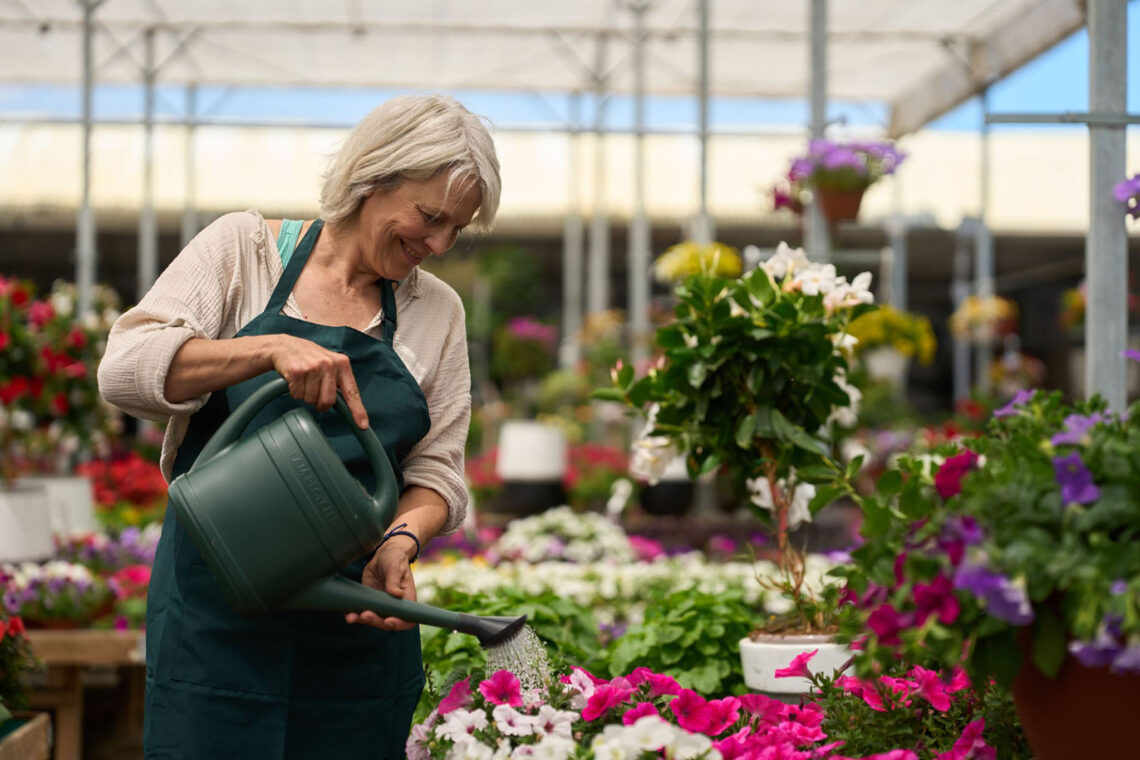
7. Water Wisely
Early spring rain can trick you into thinking you don’t need to water. But young seedlings and new transplants often need more hydration than you think.
- Water deeply, not just the surface.
- Use soaker hoses or watering wands to avoid splashing leaves.
- Morning is best — it reduces fungal issues and gives plants a full day to soak it in.
8. Watch for Early Pests
Just because it’s chilly doesn’t mean bugs aren’t lurking. Keep an eye out for:
- Aphids on tender greens
- Slugs hiding in damp mulch
- Cutworms gnawing seedling stems
Try organic methods first: neem oil, crushed eggshells, or DIY beer traps for slugs.
Final Thoughts: It’s a Marathon, Not a Sprint
It’s tempting to throw everything into the ground at once — but staggered planting gives you continuous harvests and a more manageable garden. Start small, start smart, and enjoy watching your garden come to life week by week.
Spring gardening is as much about patience as it is about preparation. With these tips, you’ll be well on your way to a season full of crisp veggies and cheerful blooms.
Happy planting, and don’t forget to stop and smell the snapdragons. 🌼

