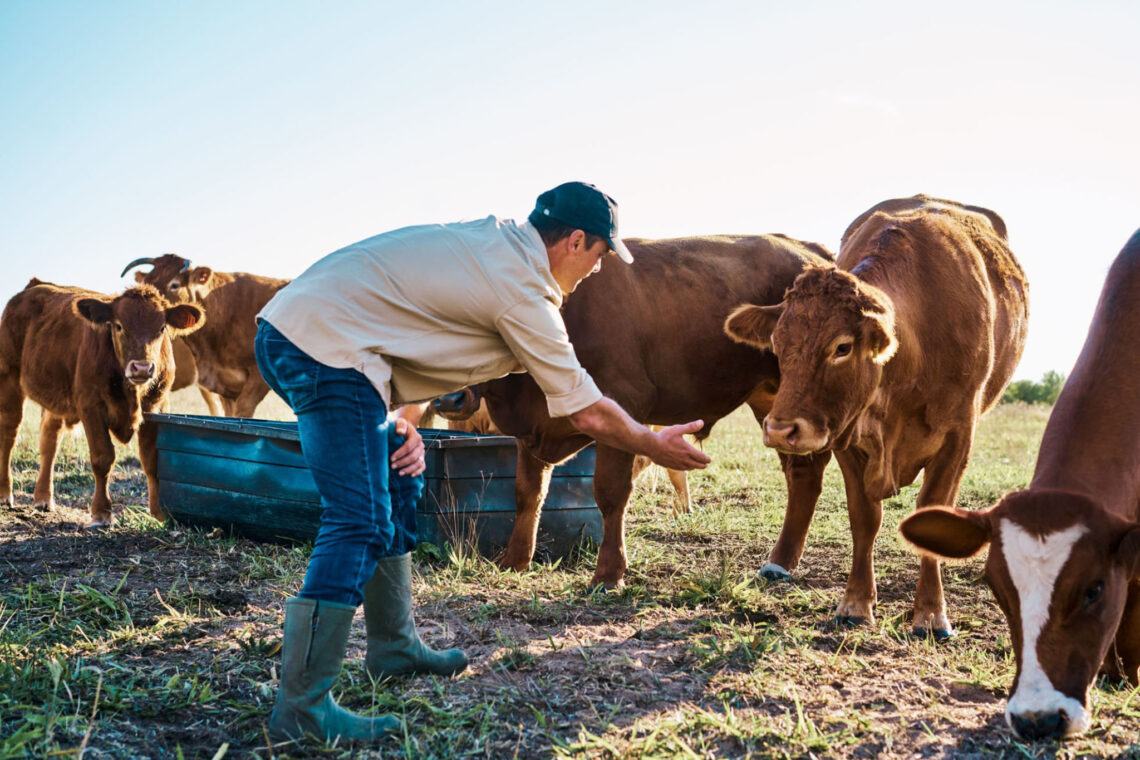
Preparing Livestock Watering Systems for the Transition to Fall
As summer begins to fade and the days gradually cool, ranchers and livestock managers face a critical period of preparation. Late summer is the ideal time to ensure that your watering systems are fully ready for the seasonal shift, keeping animals healthy and productive through the fall months. Proper planning now prevents costly issues when temperatures drop, and water needs shift. Here’s a comprehensive guide to getting your livestock watering systems ready for fall.
1. Inspect and Clean Your Watering Equipment
Over the hot summer months, algae, debris, and mineral buildup can accumulate in troughs, tanks, and pipelines. Start by thoroughly inspecting all components:
- Troughs and Tanks: Scrape away algae and sediment, and wash surfaces with a mild bleach solution if necessary. Ensure no sharp edges or cracks can injure animals.
- Pipes and Hoses: Check for leaks, corrosion, or blockages. Sediment can reduce flow and increase wear on pumps.
- Pumps and Valves: Ensure they operate smoothly, lubricate moving parts if recommended, and replace any worn seals to prevent leaks.
A clean, well-maintained system ensures livestock will consistently have access to fresh water as cooler weather arrives.
2. Check Water Flow and Delivery
Animals’ water consumption may fluctuate in late summer, but as fall sets in, consistent access is critical. Test each system:
- Measure water flow at multiple points to confirm adequate pressure.
- Inspect automatic float valves and regulators to ensure they respond correctly.
- For solar or electric pump systems, check batteries, solar panels, and wiring to avoid failures when energy needs spike.
Proper flow reduces stress on animals and prevents dehydration during transitional weather.
3. Assess Water Quality
Quality is as important as quantity. Water high in minerals, bacteria, or algae can negatively impact livestock health:
- Conduct visual checks for clarity and odor.
- Consider testing for nitrates, pH levels, and other contaminants.
- If water quality is poor, flush systems, install filtration, or consult with a water specialist.
High-quality water improves feed efficiency and overall animal well-being during seasonal changes.
4. Prepare for Temperature Fluctuations
Late summer brings unpredictable weather patterns, with hot days and cooler nights:
- Insulate Exposed Pipes: Even mild early fall freezes can crack unprotected pipes.
- Winterization Plans: While full winterization isn’t needed yet, ensure systems are ready for colder nights by keeping antifreeze-safe troughs and heating units on standby.
- Shade and Shelter: Protect water tanks from excessive sun to reduce evaporation and prevent overheating of water.
Maintaining water at a stable, comfortable temperature encourages consistent intake.
5. Evaluate System Capacity
As pastures shift in productivity during late summer and early fall, herd size and grazing rotation may change. Make sure your water system can handle peak demand:
- Larger groups may require additional tanks or troughs.
- Ensure adequate spacing to prevent competition and reduce stress.
- Consider backup solutions, such as portable tanks, in case of maintenance or unexpected system failures.
Planning for peak capacity ensures no animal goes thirsty when forage or movement patterns change.
6. Routine Monitoring and Maintenance
Once systems are prepared, continue to monitor daily:
- Check for leaks, frozen spots, or malfunctioning equipment.
- Observe animal behavior around water sources—reluctance to drink often signals a system problem.
- Keep a maintenance log to track repairs, cleanings, and inspections.
Routine vigilance allows small issues to be corrected before they become major problems in fall.
Conclusion
Late summer is the perfect time to prepare your livestock watering systems for the transition into fall. By cleaning, inspecting, and testing your equipment, checking water quality, and planning for capacity and temperature changes, you ensure that your herd stays hydrated, healthy, and productive. A proactive approach now saves headaches and potential losses when weather and water demands shift. A reliable watering system is a cornerstone of successful ranch management—especially as the seasons change.

