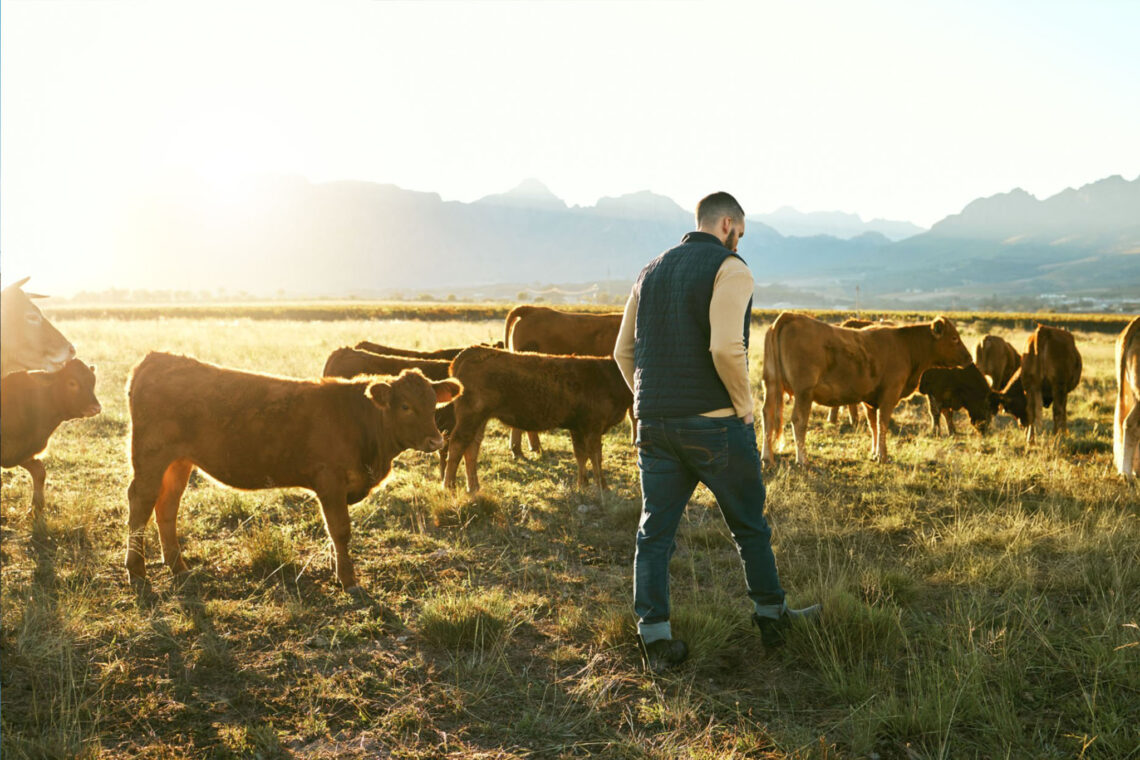
Managing Brush and Invasive Plants in Pastures and Rangelands
Maintaining productive pastures and rangelands requires more than just planting good forage—it also means controlling unwanted brush and invasive plants. Left unchecked, these species can outcompete desirable forage, reduce grazing efficiency, and impact livestock health. Late summer and early fall are critical times for implementing management strategies before cooler weather slows plant growth. Here’s a comprehensive guide for ranchers and land managers.
1. Identify Problem Species
Effective management begins with accurate identification. Brush and invasive plants vary by region, but common offenders in U.S. pastures and rangelands include:
- Woody Brush: Mesquite, juniper, and black locust
- Invasive Grasses: Bermuda grass, Johnson grass
- Herbaceous Invasives: Knapweed, leafy spurge, bindweed
Recognizing species at early stages allows for timely control, preventing full establishment and spread.
2. Understand Growth Patterns
Late summer is a transitional period when many invasive plants reach peak growth or seed production. Observing these patterns helps determine the best control timing:
- Seed Prevention: Mowing or targeted grazing before seed set reduces future infestations.
- Resprouting Awareness: Some brush species may regrow after cutting; additional follow-up treatments are often necessary.
- Water Stress Consideration: Hot, dry late-summer conditions can temporarily slow growth, but stressed plants are often more vulnerable to herbicides and mechanical removal.
3. Mechanical Control Methods
Physical removal remains a cornerstone of brush and invasive plant management:
- Mowing and Cutting: Effective for woody brush and broadleaf invasives; repeated cuts reduce vigor over time.
- Prescribed Fire: When safely applied, fire can clear dense brush, stimulate desirable forage growth, and suppress some invasive species.
- Chaining or Grubbing: Heavy equipment can uproot persistent shrubs, but care must be taken to avoid soil erosion.
4. Chemical Management
Herbicides are often necessary to control deeply rooted or widespread invasive plants:
- Selective Herbicides: Target specific brush or invasive species while preserving grasses and other forage.
- Timing Matters: Apply herbicides when plants are actively growing; late summer applications can be highly effective before dormancy.
- Integrated Approach: Combining mechanical and chemical methods often provides the best long-term results.
5. Grazing as a Management Tool
Livestock grazing can help control brush and invasive plants when properly managed:
- Targeted Grazing: Goats, sheep, or cattle can reduce the vigor of certain species, especially broadleaf brush and weeds.
- Rotation Planning: Rotational grazing prevents overuse of desirable forage and allows repeated pressure on invasive species.
- Seasonal Adjustments: Adjust grazing intensity in late summer to minimize stress on pastures while maximizing brush suppression.
6. Restore and Protect Desirable Forage
Controlling unwanted plants is only part of the solution; re-establishing healthy forage is equally important:
- Overseeding: Fill gaps with native or adapted grasses to outcompete returning brush or invasive weeds.
- Fertilization: Apply nutrients strategically to promote vigorous growth of desirable species.
- Soil Health: Maintain proper pH, compaction control, and moisture levels to reduce vulnerability to invasive encroachment.
7. Monitor and Maintain
Brush and invasive plant management is an ongoing effort:
- Regular Scouting: Inspect pastures throughout the growing season to catch regrowth or new invasions early.
- Record Keeping: Track treatments, regrowth patterns, and plant responses for future planning.
- Adaptive Management: Adjust strategies based on effectiveness, weather patterns, and livestock needs.
Conclusion
Late summer presents a crucial window for managing brush and invasive plants in pastures and rangelands. By combining identification, mechanical and chemical control, targeted grazing, and forage restoration, ranchers can maintain productive land, improve livestock performance, and reduce long-term maintenance costs. Consistent monitoring and adaptive strategies ensure that pastures stay healthy and resilient, supporting sustainable grazing for years to come.

