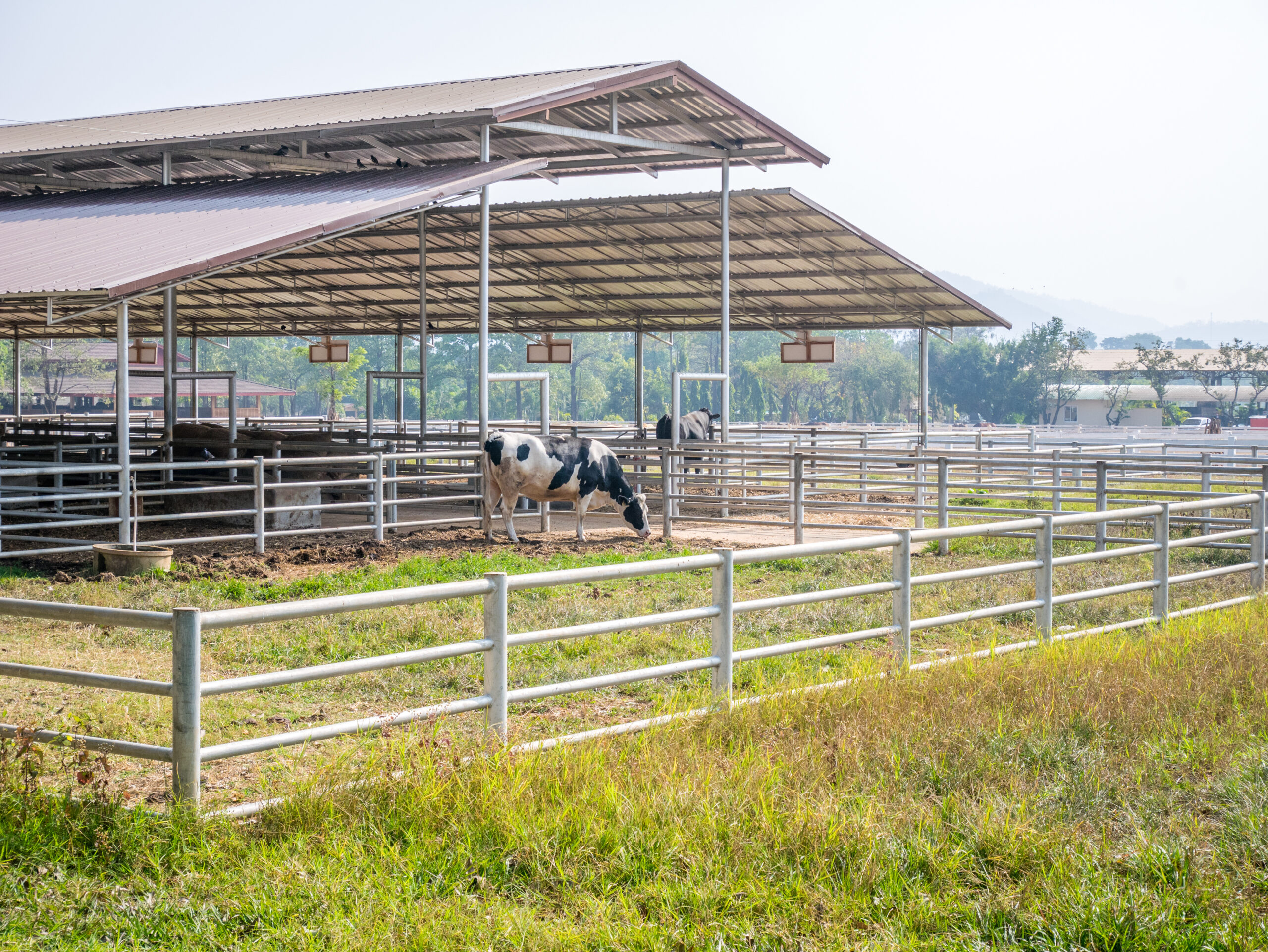
Fence Check Season: Securing Boundaries Before Harsh Weather Arrives
For ranchers, homesteaders, and hobby farmers alike, late summer and early fall are more than just harvest season—they’re fence check season. As temperatures drop and storms roll in, the strength and reliability of your boundaries can mean the difference between peace of mind and a major headache. Whether you’re keeping livestock in, predators out, or simply marking property lines, now is the time to walk your fences, tighten your lines, and prepare them to withstand what winter has in store.
Why Fence Checks Matter Before Weather Turns
Cold fronts, heavy winds, and freezing rain all take a toll on fencing materials. A wire stretched tight in August may sag under snow load in December. Wooden posts that seem sturdy today could weaken or snap after repeated freeze-thaw cycles. And the cost of waiting until spring? Escaped livestock, lost grazing days, or repairs that require more time and money when resources are already stretched thin.
By addressing small issues now, you can prevent them from becoming big problems later. Think of it as preventative maintenance that protects both your herd and your wallet.
1. Walking the Line: A Thorough Inspection
Start with a slow, detailed walk of your entire fence line. This isn’t the time for a quick drive-by glance—get up close and hands-on.
- Check posts for rot or wobble. Wooden posts near wet areas are often the first to fail. Give each one a solid push to test stability.
- Inspect wire tension. Loose or sagging wire is not just unsightly; it’s an open invitation for cattle or deer to push through.
- Look for broken staples, clips, or ties. Hardware tends to rust and fail long before posts do.
- Watch for gaps at the ground. Erosion, burrowing animals, or livestock pressure can create spaces predators or small stock can exploit.
- Examine gates. Hinges, latches, and welds often bear the brunt of wear and tear. If a gate sags now, it will drag worse once mud or ice set in.
2. Tools and Materials to Have on Hand
Efficiency matters. Equip yourself before you start repairs so you don’t waste daylight running back and forth.
- For wire fences: Come-alongs, wire stretchers, extra rolls of barbed or woven wire, staples, and clips.
- For wooden fences: Replacement boards, nails, screws, and a cordless drill.
- For electric fences: Spare insulators, a digital tester, and a few extra posts to replace broken ones.
- General supplies: A sturdy hammer, fencing pliers, and a bucket of spare hardware.
Think of this as assembling a “fence repair kit” you can grab at a moment’s notice.
3. Prioritize Problem Areas
Not every weak spot poses the same level of risk. A sagging wire in a remote corner may wait until winter, but a broken gate latch near your stock’s water source should be fixed today. Focus on:
- High-traffic areas: Gates, corrals, and paths livestock use daily.
- Water crossings: Creeks and drainage areas are notorious for washing out posts or weakening foundations.
- Tree-lined sections: Overhanging branches become hazards when snow or ice brings them down.
By ranking your repairs, you can tackle the most urgent issues first, then work your way down the list as time allows.
4. Preparing for Harsh Weather
Fence durability isn’t just about today’s condition—it’s about how it will hold up under pressure. Consider these pre-season reinforcements:
- Add extra bracing. Corner posts and gate areas benefit from diagonal braces to resist shifting under frost.
- Clear overhanging limbs. Prevent winter storms from turning trees into fence wreckers.
- Double-check grounding systems. For electric fences, ensure your grounding rods are properly connected before the ground hardens.
- Snow and ice load. In northern climates, lifting bottom wires a few inches helps prevent breakage when drifts build up.
5. Budgeting Time and Costs
Fence maintenance isn’t glamorous, but it’s one of the most practical investments you can make. A day spent checking and repairing fences now is worth weeks of chasing cattle in January or repairing toppled sections in the mud of spring.
Consider it an annual line item in your ranch or homestead’s fall prep checklist—just like checking water systems, servicing equipment, and stacking hay.
Final Thoughts
Fence check season is more than routine maintenance; it’s a proactive step that keeps your operation running smoothly when the weather turns harsh. By walking your lines, repairing weak points, and reinforcing for the months ahead, you ensure security for your livestock, protection for your property, and peace of mind for yourself.
The work you do now might not earn applause, but when the first blizzard hits or a hard freeze sets in, you’ll be glad you put in the effort.

