Pruning Smarter, Not Harder: Preparing Perennials for Fall Blooms
When it comes to gardening, few tasks intimidate or confuse gardeners as much as pruning. The instinct to cut everything back once summer winds down is strong, but smart pruning—especially with perennials—is about timing, technique, and restraint. Done correctly, it can reinvigorate plants for one last flush of fall color and prepare them for the long months of dormancy ahead. Done poorly, however, it can weaken your plants or rob you of late-season beauty.
Pruning smarter, not harder, means knowing when to step in, what to remove, and what to leave alone. Here’s how to strike the right balance.
1. Why Fall Pruning Matters for Perennials
Many perennials, such as rudbeckia, echinacea, salvia, and chrysanthemums, respond well to a late-season “refresh.” Cutting back fading growth encourages stronger root systems, channels energy into blooms, and keeps beds looking tidy. More importantly, smart pruning now prepares plants to overwinter successfully and emerge stronger in spring.
But not every plant should be pruned aggressively before frost. Some, like ornamental grasses and seed-heavy flowers, provide both winter beauty and food for wildlife if left standing.
2. Identify What to Cut—and What to Leave
A smarter approach means selective pruning instead of wholesale cutting.
- Cut back spent flowers: Deadheading perennials such as coneflowers, bee balm, and coreopsis often sparks new blooms before the season ends.
- Trim damaged or diseased stems: Removing weak or diseased growth keeps problems from spreading.
- Leave structural interest: Plants like Russian sage, sedum, and ornamental grasses add texture to the winter garden and shelter for birds and pollinators.
- Protect crown-forming perennials: Avoid cutting back plants like hostas or daylilies too early; their foliage continues feeding the roots until frost naturally kills it back.
3. Timing Is Everything
Pruning too early in late summer can trick plants into producing tender new growth that won’t withstand the first frost. The smarter move is to prune selectively during the cooling weeks of early fall, focusing on cleanup and light shaping.
- Early fall: Deadhead flowers and trim straggly growth to encourage new buds.
- Late fall (after frost): Cut back perennials that naturally die down, such as peonies and hostas, once their foliage collapses. This reduces overwintering pests and diseases.
4. Tools and Techniques for Smarter Cuts
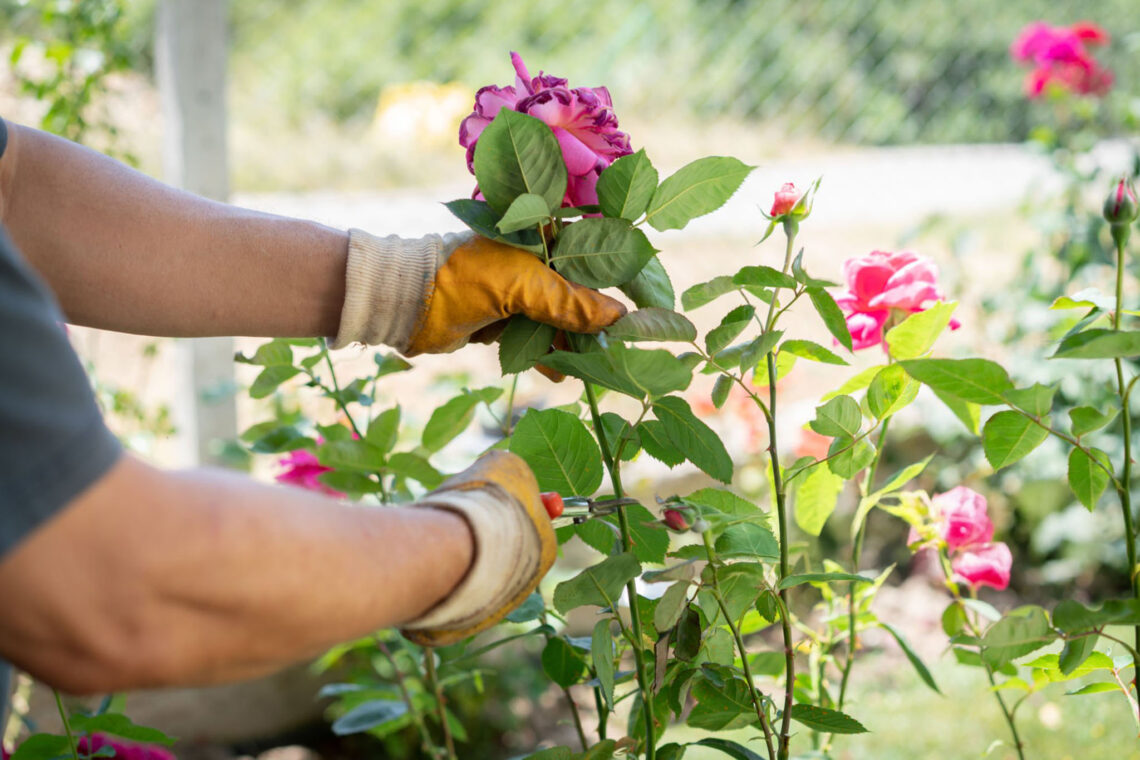
The quality of your pruning depends on clean, precise cuts. Ragged edges can invite disease and slow healing.
- Sharp hand pruners are best for most perennials.
- Bypass pruners cut cleanly without crushing stems.
- Sanitize blades between plants, especially when removing diseased growth.
Always cut just above a node (the small bump where leaves or buds emerge). This encourages healthy regrowth without leaving stubs.
5. Think Beyond This Season: Preparing for Winter and Spring
Smart pruning sets the stage for the seasons ahead. After trimming, consider how your garden will weather the winter:
- Mulch after pruning: A light layer of organic mulch insulates roots and retains soil moisture.
- Leave some seed heads: Coneflowers and black-eyed Susans provide vital food for birds in lean winter months.
- Plan for spring vigor: Healthy cuts in fall mean stronger, cleaner regrowth when temperatures rise again.
6. Smarter Doesn’t Always Mean More
Perhaps the biggest takeaway is this: pruning smarter means resisting the urge to overdo it. In many cases, less is more. Leaving plants partially intact can provide wildlife habitat, soil protection, and winter beauty, all while reducing your workload.
Final Thoughts
Pruning perennials before fall blooms isn’t about hacking everything to the ground—it’s about working with the plant’s natural rhythm. By cutting strategically, focusing on plant health, and preparing for the months ahead, you can extend seasonal color, protect root systems, and set your garden up for success.