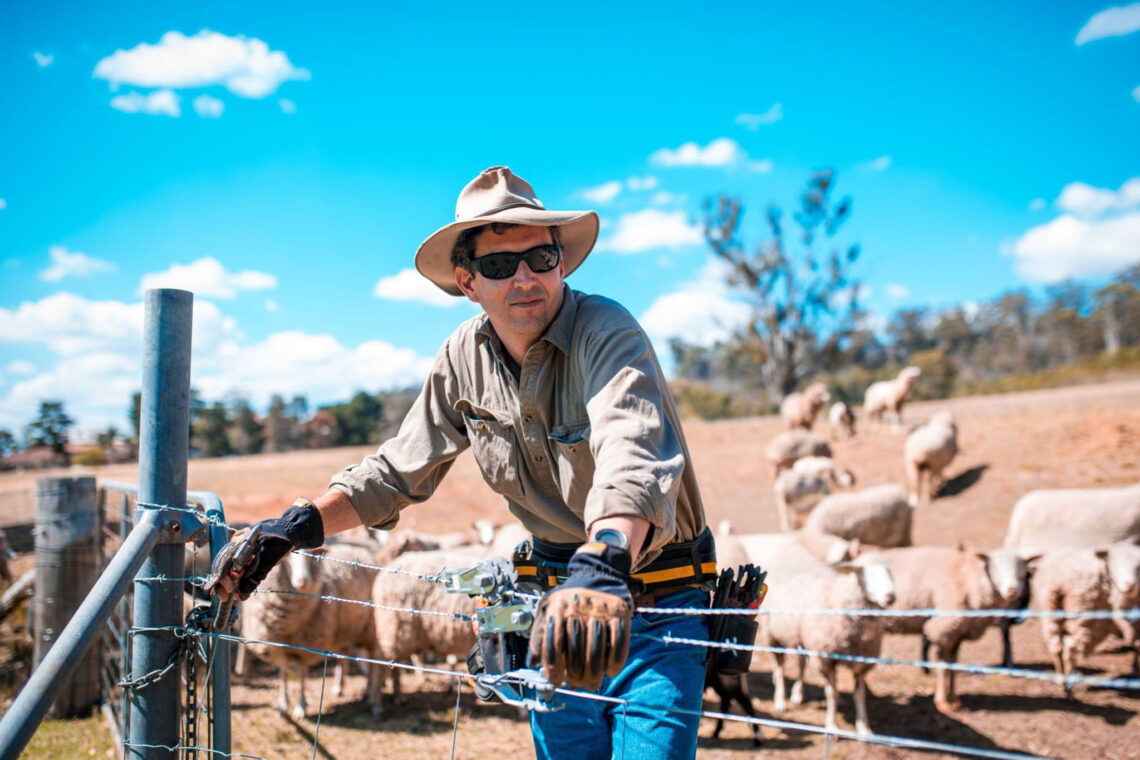
Fence and Shelter Check: Fall Maintenance Made Simple
As summer winds down and cooler weather approaches, ranchers and landowners know it’s time to prepare for fall and winter. One of the most important—yet often overlooked—seasonal chores is checking fences and livestock shelters. Strong fences keep animals safe and predators out, while sturdy shelters protect livestock from harsh winds, rain, and snow. Tackling these maintenance tasks in the fall not only saves time but also prevents costly emergencies in the middle of winter.
In this article, we’ll break down simple but effective steps to inspect, repair, and maintain your fences and shelters before the cold sets in.
Why Fall Is the Best Time for Fence and Shelter Maintenance
Fall provides a natural window of opportunity. The summer rush is over, pastures are transitioning, and the weather is cool enough to work comfortably outdoors. Waiting until winter storms hit can make even minor repairs dangerous and difficult. A proactive fall inspection means:
- Fewer livestock escapes due to broken posts or sagging wires.
- Improved animal welfare with dry, draft-free shelters.
- Lower long-term costs by catching small issues before they escalate.
1. Inspecting Fences Thoroughly
Your fence is your first line of defense for livestock safety. Whether you run cattle, horses, sheep, or goats, fence strength directly affects how well you can manage your herd.
What to Look For:
- Loose or broken posts: Check wooden posts for rot and metal posts for rust or bending.
- Sagging wires or rails: Tighten barbed wire, woven wire, or electric fencing.
- Gate alignment: Ensure hinges swing freely and latches close securely.
- Vegetation buildup: Clear weeds, vines, and tree limbs that could damage or short out fencing.
Quick Fixes:
- Replace cracked posts with treated wood or metal T-posts.
- Use tensioners or come-alongs to re-tighten wire fencing.
- Apply a rust-preventive coating to metal hardware.
Pro Tip: Walk your fencelines with a notepad or smartphone to track repairs—this makes it easier to prioritize materials before winter.
2. Evaluating Livestock Shelters
A solid shelter doesn’t need to be fancy, but it does need to be functional. Fall maintenance ensures your animals will have protection during rain, sleet, and freezing temperatures.
Key Areas to Inspect:
- Roofing: Check for leaks, missing shingles, or rusted tin panels. Even small leaks can lead to dangerous ice buildup later.
- Walls and siding: Patch holes and reinforce weak areas to prevent drafts.
- Floors and bedding: Clear out summer debris and refresh bedding material such as straw or wood shavings.
- Doors and windows: Make sure they open and close properly for ventilation without creating drafts.
Upgrades to Consider:
- Adding windbreaks or tarps on exposed sides.
- Installing gutters and downspouts to direct rainwater away.
- Reinforcing stalls for pregnant or younger animals that need extra warmth.
3. Safety and Efficiency Upgrades
Fall is also the perfect time to make small improvements that save work in the long run.
- Electric fencing: Test chargers and replace weak insulators before cold weather reduces efficiency.
- Lighting: Install LED barn lights for easier chore work during shorter days.
- Water access: Check pipes for leaks and consider adding insulation or heated troughs to prevent freezing.
4. Building a Simple Fall Maintenance Routine
Consistency is key to keeping your land and animals safe. Create a seasonal checklist so nothing is overlooked.
- Walk fence perimeters weekly.
- Inspect shelters monthly until snow arrives.
- Keep a repair kit stocked with nails, staples, wire, and tools.
- Address minor problems immediately before they grow into expensive repairs.
Final Thoughts
Fence and shelter maintenance doesn’t have to be overwhelming. By taking a proactive approach in the fall, you’ll save yourself from midwinter emergencies, protect your livestock, and extend the life of your infrastructure. Simple checks—like tightening a wire, patching a roof, or replacing bedding—go a long way toward ensuring your animals stay safe and comfortable year-round.
A little time invested now means peace of mind all winter long.

