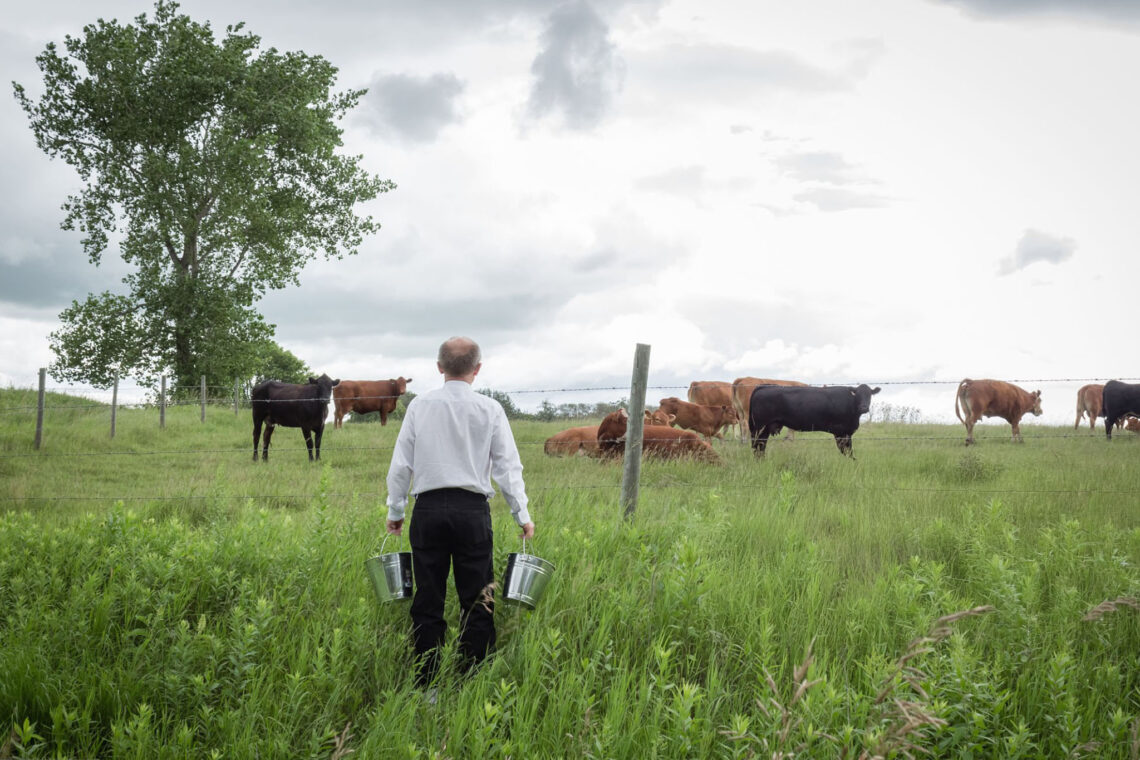
Pasture Care in Late Summer: Keep Your Herd Grazing Strong
Late summer can be one of the most challenging times for ranchers and livestock owners. The spring flush of lush forage is long gone, and hot weather combined with lower rainfall often leaves pastures stressed. Yet, this is also the time when your herd’s nutritional needs remain steady—or even rise as animals prepare for fall and winter. Proper pasture care in late summer ensures your cattle, sheep, or horses continue grazing strong without compromising the land’s long-term health.
In this guide, we’ll cover essential late-summer pasture management strategies, from grazing rotations to weed control, soil health, and water supply.
Why Late Summer Pasture Care Matters
As temperatures rise and rainfall decreases, cool-season grasses slow their growth dramatically. Without management, animals can quickly overgraze, stripping plants down to the crown and weakening root systems. Over time, this reduces forage availability, encourages weed invasions, and forces you to rely more heavily on stored feed.
By focusing on pasture care in late summer, you’re not just feeding your herd—you’re protecting the productivity of your land for the next season.
1. Rotate Grazing to Prevent Overuse
Rotational grazing is one of the most effective tools for keeping pastures productive. Instead of allowing animals to graze continuously in one field, move them through different paddocks. This system gives grasses time to rest and recover, which is especially critical during late summer stress.
- Ideal rest period: Aim for 25–40 days, depending on your pasture type and rainfall.
- Residual height: Leave 3–4 inches of grass behind to promote regrowth.
- Observation: Watch for signs of stress like yellowing or thinning patches, and adjust stocking density as needed.
2. Manage Weeds Before They Seed
Weeds compete with forage grasses for moisture and nutrients, and late summer is prime time for invasive species to spread. If ignored, they can take over large sections of pasture.
- Spot spraying or mowing before seed set helps prevent future infestations.
- Targeted grazing with goats or sheep can also control broadleaf weeds.
- Keep in mind that stressed pastures are more vulnerable to invasions, so balanced grazing is key.
3. Provide Reliable Water Sources
Hot, dry weather increases your herd’s water demand. Dehydrated animals eat less and produce less, whether it’s weight gain, milk, or energy. Ensure water access is consistent and clean:
- Check flow rates in ponds, streams, or troughs.
- Inspect pumps and pipes for leaks or low pressure.
- Consider adding shade near water stations to keep both animals and water cooler.
4. Supplement Forage if Needed
If late summer drought has reduced forage quality, supplements may be necessary to keep animals healthy without overgrazing the land.
- High-quality hay can bridge nutritional gaps.
- Protein tubs or mineral blocks support digestion and weight maintenance.
- Test forage for nutrient content—sometimes what looks abundant is lower in energy than expected.
5. Maintain Soil Health for Long-Term Productivity
Healthy soil is the foundation of strong pastures. Late summer is a good time to evaluate soil conditions and prepare for fall improvements.
- Soil testing: Identify pH or nutrient imbalances that may require lime or fertilizer applications.
- Overseeding: Plan to overseed cool-season grasses in early fall to refresh pastures.
- Organic matter: Leave some residue in grazed paddocks to return nutrients to the soil.
6. Watch Animal Condition Closely
Even the best pasture management can’t guarantee perfect forage year-round. Monitor livestock body condition carefully:
- Weight loss or rough coats may indicate insufficient nutrition.
- Hoof wear and pasture compaction can occur if animals are kept too long in dry fields.
- Adjust your grazing plan quickly if you see signs of stress.
Final Thoughts
Pasture care in late summer is about balance—feeding your herd while protecting your land. By rotating grazing, controlling weeds, maintaining water, supplementing when necessary, and caring for soil health, you’ll keep your herd grazing strong while setting the stage for a productive fall and winter.
Strong late-summer management not only improves animal performance but also ensures your pastures remain healthy and resilient for years to come. A little extra effort now can mean fewer feed costs, healthier livestock, and land that thrives season after season.

