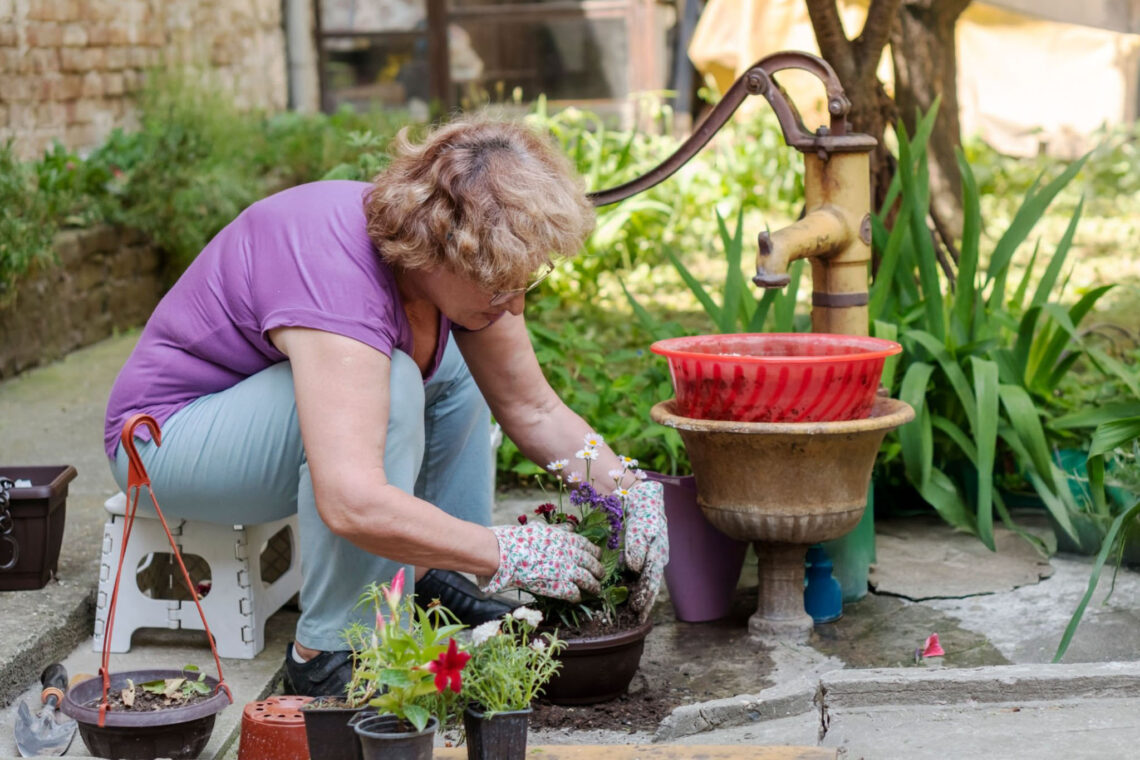
September Garden To-Do List: Tasks That Pay Off Next Spring
September is often thought of as a winding-down month in the garden, but smart gardeners know it’s a time of opportunity. What you do now doesn’t just affect how your garden looks this fall—it sets the stage for vibrant growth, healthier soil, and bigger harvests next spring. With cooler nights, shorter days, and soil still warm from summer, September is the perfect month for tackling tasks that will pay dividends down the road.
Here’s a comprehensive September garden checklist to ensure your efforts now bring beauty and bounty next year.
1. Plant Fall Bulbs for Spring Blooms
If you dream of tulips, daffodils, hyacinths, and crocuses brightening your yard after the long winter, September is prime time to plant. Bulbs need a period of chilling to break dormancy, and fall planting allows them to establish strong roots before frost sets in.
Tips:
- Choose healthy, firm bulbs with no soft spots.
- Plant them two to three times as deep as their height.
- Group them in clusters for a natural look instead of straight rows.
- Add bone meal or bulb fertilizer to the planting hole to give them a nutrient boost.
2. Sow a Cover Crop to Enrich Soil
September is an ideal month to give your soil a break by sowing a cover crop like clover, rye, or vetch. These plants suppress weeds, prevent erosion, and feed the soil with organic matter when turned under in spring.
Why it pays off: Cover crops improve soil structure, increase fertility naturally, and make spring planting easier.
3. Divide and Transplant Perennials
Many perennials, such as hostas, daylilies, and irises, benefit from being divided every few years. Doing this in September—when temperatures are cooler but soil is still workable—reduces stress on the plants.
How to do it:
- Dig up the entire clump.
- Use a sharp knife or spade to separate into smaller sections, each with strong roots.
- Replant immediately and water well.
By spring, your divided plants will have settled in and be ready to produce vigorous growth.
4. Feed the Soil with Compost or Mulch
Healthy soil equals healthy plants. September is a great time to add a thick layer of compost or organic mulch to your garden beds. Compost enriches the soil with nutrients, while mulch conserves moisture, suppresses weeds, and regulates soil temperature.
Come spring, you’ll find beds easier to work and plants that establish faster.
5. Clean and Sharpen Garden Tools
It’s easy to overlook tools when garden chores are winding down, but September is the time to clean, sharpen, and oil them. This prevents rust over winter and ensures you’re ready to hit the ground running when planting season returns.
6. Plant Cool-Season Vegetables
Don’t pack away your gardening gloves just yet—September is still a great time to plant cool-weather crops like spinach, kale, lettuce, radishes, and carrots. These can be harvested well into fall, and in some climates, overwinter to give you an early spring harvest.
7. Tidy Beds, But Leave Some for Wildlife
Cleaning up dead or diseased plants is important for reducing pests and disease carryover into spring. But consider leaving some seed heads (like coneflowers or sunflowers) for birds, and a few brushy areas as overwintering habitat for beneficial insects. A balanced approach keeps your garden healthy and wildlife-friendly.
8. Check Irrigation Systems and Drains
Before frost arrives, inspect hoses, drip irrigation lines, and rain barrels. Drain them if necessary to prevent cracking. This small task in September saves money on replacements come spring.
9. Prune Selectively
September isn’t the time for heavy pruning of trees and shrubs, as it can stimulate tender new growth that won’t survive frost. However, it is a good time to cut back dead or diseased branches. Your plants will be healthier going into dormancy and ready to flush out cleanly next spring.
10. Plan for Next Year
Use September as a moment to reflect on what worked and what didn’t this season. Take notes:
- Which crops thrived in your soil?
- Which flowers gave the best color?
- Where do you need better spacing or irrigation?
Keeping a garden journal now will make spring planning much easier.
Final Thoughts
September is more than just a month of winding down—it’s a month of smart preparation. By planting bulbs, sowing cover crops, dividing perennials, feeding the soil, and taking care of tools, you’re setting the stage for a thriving garden that bursts into life next spring.
With a thoughtful September to-do list, you’re not just closing the chapter on this year’s garden—you’re writing the introduction for next year’s success.

