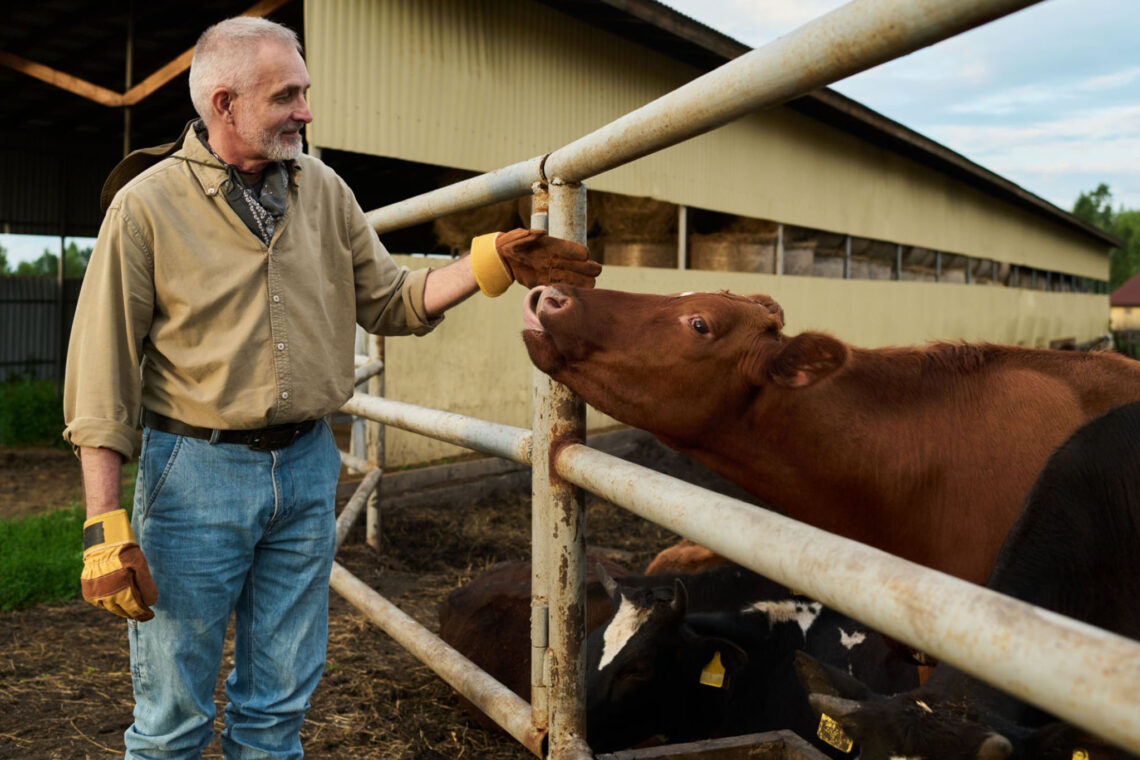
Livestock Health in Transition: Deworming, Vaccinations, and Body Condition Scoring
As summer fades into fall, livestock producers face a critical window of opportunity to strengthen herd health before colder weather and tighter forage supplies arrive. September and early fall are transitional months—pastures shift from lush summer growth to slower regrowth, parasites remain active, and animals begin storing reserves for winter. This makes preventive health measures like deworming, vaccinations, and body condition scoring essential for both short-term performance and long-term herd productivity.
Why Transition Season Matters
Livestock health management is never a one-size-fits-all job, but seasonal timing is everything. In late summer and early fall:
- Parasite loads peak, especially in animals grazing heavily stocked pastures.
- Immune systems are stressed from heat, flies, and fluctuating forage quality.
- Body condition becomes more critical, as animals need energy reserves to face colder months.
By addressing these health areas now, ranchers reduce winter feed costs, prevent disease outbreaks, and ensure breeding stock enter winter in strong condition.
Deworming: Breaking the Parasite Cycle
Internal parasites—particularly gastrointestinal worms—are among the most consistent challenges for cattle, sheep, and goats. In early fall, pastures can carry high parasite loads, leading to poor weight gain, reduced milk production, and weakened immune response.
Best Deworming Practices for Transition Season:
- Targeted Deworming
Instead of blanket treatments, focus on high-risk groups: young stock, lactating females, or animals showing signs of parasite stress (rough coats, poor weight gain, diarrhea). - Rotate Pastures
Moving animals to rested fields after deworming reduces reinfection. Parasite larvae are most concentrated in heavily grazed paddocks. - Use Fecal Egg Counts (FECs)
A veterinarian can run FEC tests to identify which parasites are present and whether dewormers are still effective, helping avoid drug resistance. - Combine with Nutrition
Strong immune systems are critical to fighting worms naturally. Ensuring animals have adequate protein and mineral access boosts resilience.
Vaccinations: Building Immunity Before Winter Stress
Fall is also the ideal time to review and update your vaccination program. As temperatures drop and animals are often gathered for sorting, pregnancy checks, or marketing, it’s efficient to handle preventive shots.
Key Vaccination Considerations:
- Cattle: Fall boosters for respiratory diseases (IBR, BVD, BRSV, PI3), clostridial diseases (blackleg), and leptospirosis are common.
- Sheep & Goats: CDT (clostridium perfringens type C & D plus tetanus) is essential; boosters before lambing or kidding seasons protect offspring.
- Swine: Consider erysipelas, parvovirus, and leptospirosis in breeding herds.
Always consult your veterinarian for region-specific risks. For example, areas prone to tick-borne diseases may require additional coverage.
Body Condition Scoring (BCS): A Fall Checkpoint
Body condition scoring is one of the simplest yet most powerful management tools for livestock. By visually and physically assessing fat reserves, producers can identify animals at risk before winter feed demand increases.
Why BCS Matters in Fall:
- Animals that enter winter underweight require more feed to maintain body heat.
- Thin breeding females have reduced fertility and weaker offspring.
- Over-conditioned animals (too fat) can face calving, lambing, or kidding difficulties.
Scoring Systems by Species:
- Cattle: Scale of 1 (emaciated) to 9 (obese). Aim for 5–6 in beef cows going into winter.
- Sheep/Goats: Scale of 1 to 5. Ideal range is 2.5–3.5 before breeding or winter feeding.
- Horses: Scale of 1 to 9. Aim for 5–6 heading into colder months.
Action Steps Based on BCS:
- Thin animals: Provide higher-quality forage or grain supplementation.
- Overweight animals: Monitor intake and avoid excessive concentrates.
- Balanced herds: Maintain rotational grazing to maximize fall forage while supplementing minerals.
Integrating the Three: A Holistic Approach
Deworming, vaccinations, and body condition scoring shouldn’t be treated as separate tasks—they’re interconnected:
- Deworming improves nutrient absorption, directly impacting BCS.
- Proper BCS supports stronger immune response to vaccines.
- Vaccinations reduce disease stress, allowing animals to maintain healthier body condition.
When integrated into a fall management plan, these steps prepare your herd not just to survive winter, but to thrive into spring.
Additional Tips for Transition Season
- Mineral Programs: Ensure livestock have access to seasonally appropriate mineral blends, especially selenium and copper where deficiencies are common.
- Water Supply: Clean troughs and check lines—hydration supports digestion and immune function.
- Fly and Tick Control: Cooler weather reduces pests, but lingering infestations can still stress animals.
- Record-Keeping: Track treatments, weights, and BCS scores to identify long-term trends.
Final Thoughts
Fall is more than just a season of cooling weather—it’s a pivotal management checkpoint for livestock operations. By focusing on deworming programs, preventive vaccinations, and body condition scoring, ranchers can set their herds up for a healthier, more productive winter and spring.
In livestock management, prevention always beats cure. Take the time this September to evaluate, adjust, and act. Your animals—and your bottom line—will thank you when the snow melts and the pastures green up again.

