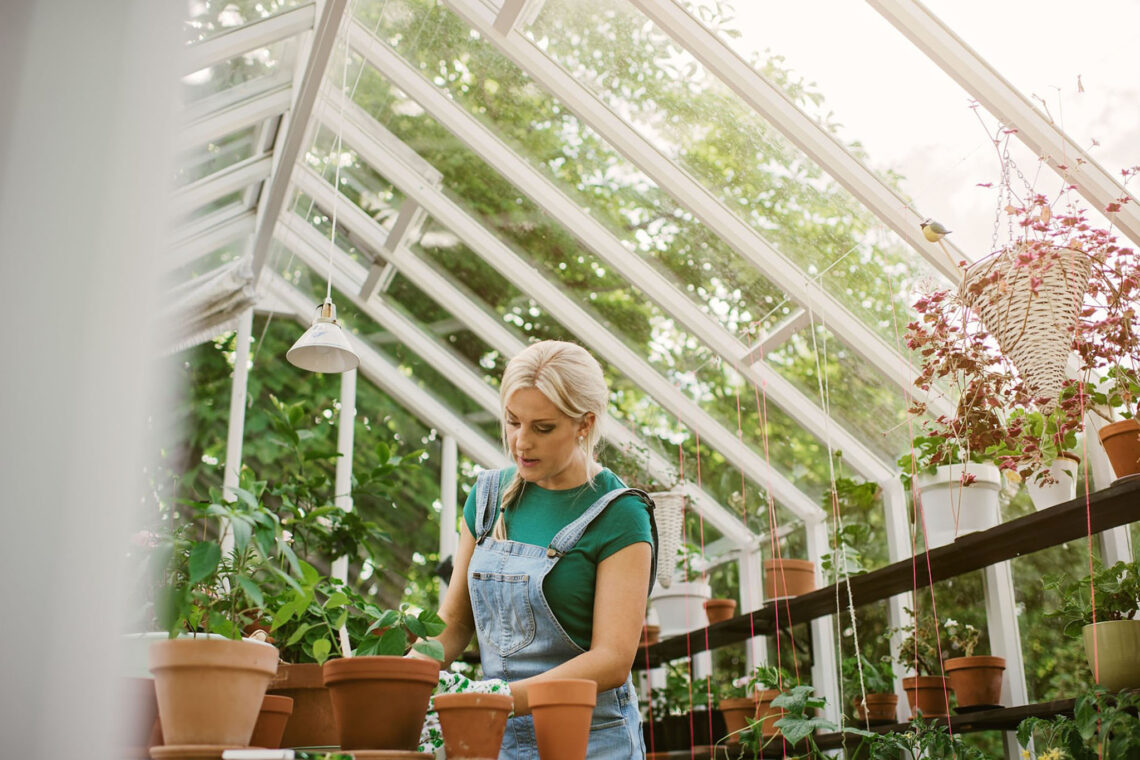
Greenhouse Prep for Fall: Extending Your Growing Season
As the long summer days give way to crisp autumn mornings, many gardeners begin to think their growing season is coming to an end. But with the right greenhouse preparation, fall can be one of the most rewarding times to keep your plants thriving. Whether you’re a hobby gardener, a homesteader, or managing a small farm, prepping your greenhouse for fall can help extend your growing season, protect tender crops, and ensure a steady harvest well into the cooler months.
Why Fall Greenhouse Prep Matters
Greenhouses are designed to create controlled environments, but seasonal transitions still require adjustments. Fall preparation is about more than just keeping plants warm; it’s about optimizing airflow, managing humidity, and making efficient use of natural light. Done right, your greenhouse becomes a safe haven for vegetables, herbs, and even ornamentals when the outside garden is winding down.
Step 1: Clean and Sanitize Thoroughly
Before you plant your fall crops, give your greenhouse a deep clean:
- Wash glazing panels to maximize sunlight exposure. Dust, algae, or water spots can block up to 20% of light.
- Sanitize benches, trays, and tools to prevent lingering pests and diseases from affecting your fall plants.
- Clear out summer debris, like dried leaves or leftover soil, which can harbor fungus gnats or mold.
A fresh start ensures your crops get the healthiest possible environment.
Step 2: Check for Structural Integrity
Fall often brings high winds and storms, so make sure your greenhouse can handle it. Inspect for:
- Cracks or loose panels that may reduce insulation.
- Door and vent seals that prevent drafts.
- Frame stability, tightening any bolts or supports.
A sturdy greenhouse not only keeps your plants safe but also helps maintain consistent temperatures.
Step 3: Adjust Ventilation and Humidity
Cooler weather may tempt growers to seal everything up, but proper ventilation remains essential:
- Use automatic vent openers or manual adjustments to balance airflow.
- Consider a circulating fan to reduce condensation and keep fungal diseases at bay.
- Monitor humidity levels, aiming for 50–70% depending on the crops you’re growing.
Maintaining airflow ensures your fall crops grow strong instead of struggling in stagnant, damp air.
Step 4: Optimize Lighting and Heat
As daylight hours shorten, your plants will need extra support:
- Supplemental grow lights (LEDs are efficient) can extend photoperiods for crops like lettuce, spinach, and herbs.
- Thermal mass options like water barrels or stone help retain daytime heat and release it slowly at night.
- Heaters or heat mats may be necessary for frost-sensitive crops like tomatoes or peppers if you want to push them into late fall.
The goal is to keep conditions consistent, reducing stress on plants as temperatures fluctuate.
Step 5: Choose the Right Fall Crops
Not all plants thrive in cooler greenhouse conditions, so focus on crops suited for fall growing:
- Leafy greens: spinach, kale, arugula, Swiss chard.
- Herbs: cilantro, parsley, chives, dill.
- Root crops: radishes, carrots, beets.
- Cold-hardy vegetables: cabbage, broccoli, and cauliflower.
For gardeners wanting to extend summer crops, keep peppers, eggplants, and tomatoes inside with extra heat and light.
Step 6: Plan for Pest and Disease Management
Fall pests may differ from summer ones, but they can still wreak havoc:
- Watch for aphids, whiteflies, and spider mites, which thrive in enclosed spaces.
- Use sticky traps for early detection.
- Practice integrated pest management (IPM), like releasing beneficial insects or using organic sprays when necessary.
Regular monitoring is key—small infestations are easier to manage than large outbreaks.
Step 7: Organize for Efficiency
Finally, take time to set up your greenhouse for smoother workflows:
- Group plants with similar needs together.
- Keep frequently used tools within easy reach.
- Label trays clearly for succession planting.
A little organization now saves time during the busy harvest weeks ahead.
Benefits of Extending Your Season
Prepping your greenhouse for fall pays off in multiple ways:
- Fresh produce year-round: Skip the grocery store and enjoy homegrown veggies even as frost sets in.
- Reduced waste: Extend the life of summer crops rather than pulling them early.
- Increased self-sufficiency: More food security for homesteaders and small farms.
Final Thoughts
Greenhouse prep for fall is all about proactive care. By cleaning, reinforcing, adjusting climate control, and choosing the right crops, you’ll set yourself up for months of productivity. Instead of closing the garden down, think of fall as a new opportunity to maximize your growing season. With a little planning, your greenhouse can remain a thriving hub of growth and harvest well into winter.

