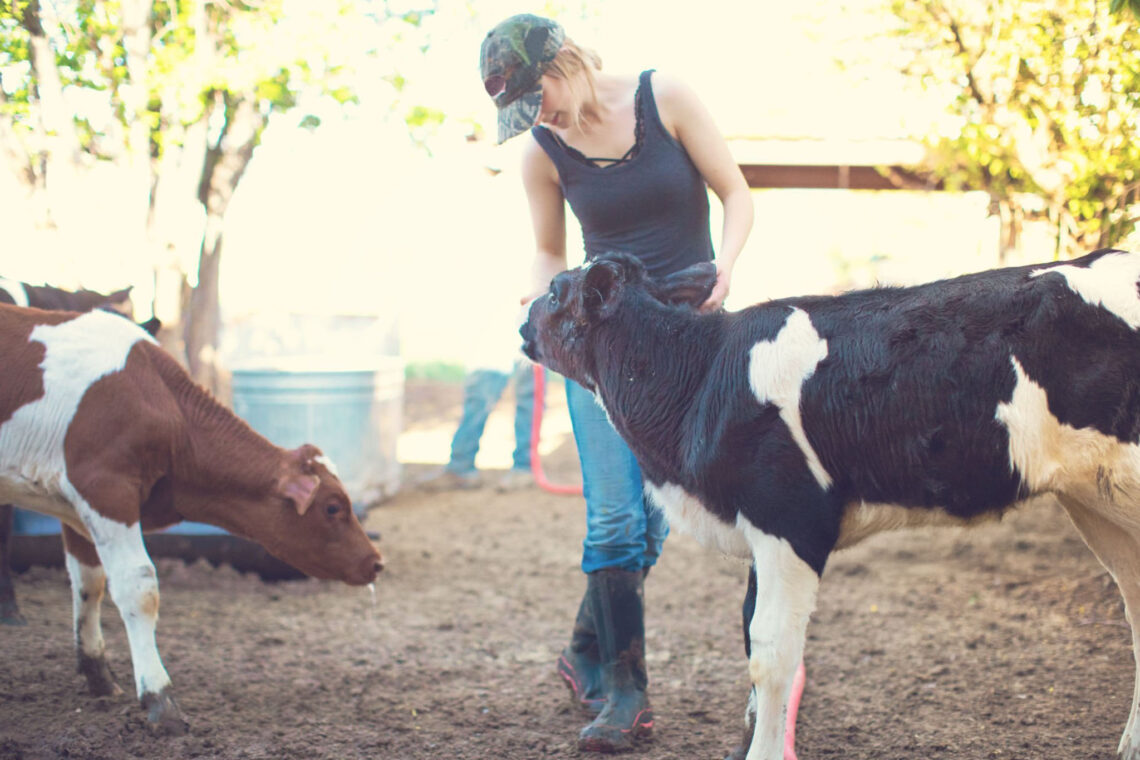
Fall Grazing Plans: Balancing Herd Needs With Pasture Recovery
As summer grasses begin to slow their growth and cooler nights settle in, ranchers and livestock owners face one of the most critical management challenges of the year: balancing herd nutrition with pasture recovery. Fall is a transitional season, and how you manage grazing during this time has a direct impact not only on your animals’ condition going into winter but also on the health and productivity of your pastures next spring.
Why Fall Grazing Management Matters
By September and October, many forage species shift energy toward root development rather than leaf production. Overgrazing during this period can deplete energy reserves, weaken root systems, and delay spring regrowth. A thoughtful fall grazing plan ensures:
- Adequate forage intake for livestock
- Protection of pasture health and soil structure
- Stronger regrowth potential in the following season
- Reduced feed costs by extending grazing days
Step 1: Assess Pasture Condition
Before turning animals out, evaluate the state of your fields:
- Measure forage height: Aim to leave 3–4 inches of cool-season grasses and 2–3 inches of warm-season grasses as a minimum stubble height.
- Check ground moisture: Dry, compacted soil is more vulnerable to damage from hooves.
- Identify stress zones: Areas grazed heavily in summer may need rest during fall to recover.
Step 2: Calculate Herd Nutritional Needs
Cows, sheep, and goats often enter fall in good body condition, but they still require balanced diets to prepare for winter or breeding cycles. Consider:
- Forage quality: Fall grass may have lower protein content, so supplemental hay or mineral blocks may be needed.
- Stocking rate: Reduce herd density if forage supply is thin.
- Stage of production: Pregnant or lactating animals demand higher energy intake than dry animals.
Matching forage availability to animal needs prevents overgrazing and maintains herd health.
Step 3: Rotate and Rest Pastures
Rotational grazing is especially important in fall:
- Shorter grazing intervals: Move animals before they graze below recommended stubble height.
- Longer rest periods: Give plants time to rebuild root reserves before winter dormancy.
- Sacrifice paddocks: Designate one area for heavy use to protect the rest of your pasture system.
A well-planned rotation keeps forage growing longer into the season.
Step 4: Extend Grazing With Fall Forage Options
When natural pastures can’t fully meet herd needs, extend the season by planting or managing fall forages:
- Cool-season annuals: Ryegrass, oats, triticale, or cereal rye provide excellent late-season grazing.
- Stockpiled forages: Tall fescue and orchardgrass can be left ungrazed in late summer, then used in fall and early winter.
- Cover crops: Brassicas like turnips and radishes offer high-energy grazing and improve soil health.
These strategies help reduce reliance on stored feed.
Step 5: Protect Soil and Pasture Health
Heavy fall rains combined with animal pressure can cause compaction and erosion. To prevent long-term damage:
- Use temporary fencing to control traffic in sensitive areas.
- Keep livestock off waterlogged soils to prevent pugging.
- Maintain buffer zones along waterways to protect water quality.
Healthy soil equals productive forage next spring.
Step 6: Monitor and Adjust as Conditions Change
No two falls are exactly alike. Weather, herd size, and forage growth rates can all shift quickly. Successful managers:
- Walk pastures regularly to assess conditions.
- Adjust stocking density and grazing intervals as needed.
- Keep supplemental feed on hand for sudden shortages.
Flexibility is key to balancing livestock nutrition with long-term pasture resilience.
Benefits of Smart Fall Grazing Plans
By taking a balanced approach, ranchers and livestock owners can:
- Reduce winter feed costs through extended grazing.
- Improve herd condition before winter sets in.
- Protect pasture longevity, ensuring strong spring regrowth.
- Build soil health through managed grazing and cover crops.
Final Thoughts
Fall grazing isn’t just about feeding your herd—it’s about planning ahead. By balancing animal needs with pasture recovery, you protect both your livestock and your land. A thoughtful fall grazing strategy pays off in healthier herds, more resilient pastures, and lower feed bills year after year.

