Pruning Perennials: Setting the Stage for Vigorous Spring Growth
When the days grow shorter and the air turns crisp, most gardeners begin to wind down their outdoor chores. But fall is far from the end of the gardening season—it’s actually the perfect time to prepare perennials for a healthy comeback in spring. Pruning perennials during this transitional period helps improve plant health, control disease, and encourage vigorous growth once the soil warms again.
In this guide, we’ll cover why pruning matters, which perennials benefit most from fall maintenance, and how to prune them effectively for long-term success.
Why Pruning Perennials Matters
Perennials return year after year, but they don’t always thrive without some seasonal care. By pruning in fall, you give plants a chance to recover energy for root development rather than wasting resources on declining stems. Proper pruning also:
- Prevents disease and pests: Dead stems and leaves often harbor fungi, insects, and overwintering eggs.
- Improves airflow and soil health: Clearing out old growth reduces moisture buildup that can cause rot.
- Encourages stronger regrowth: Cutting back allows the plant to channel energy into healthy new shoots.
- Keeps your garden tidy: Neatly pruned perennials look clean and ready for winter dormancy.
Which Perennials Should Be Pruned in Fall?
Not all perennials should be cut back in autumn. Some benefit from being left intact for winter interest or wildlife habitat. Here’s a breakdown of common perennials that do well with fall pruning:
- Daylilies (Hemerocallis): Trim spent leaves to reduce pest hiding spots.
- Hostas: Cut back after the first frost to prevent slug infestations.
- Peonies: Removing foliage minimizes the risk of botrytis (gray mold).
- Bee Balm (Monarda): Prune down to curb powdery mildew spread.
- Phlox: Clearing old stems prevents fungal diseases.
On the other hand, some plants like coneflowers, ornamental grasses, and Black-eyed Susans can be left standing. Their seed heads feed birds, and tall stems add visual interest to winter landscapes.
Best Practices for Fall Pruning
Pruning perennials isn’t about hacking plants to the ground—it’s about being strategic. Follow these best practices to get the job done right:
1. Wait for the First Frost
Cutting too early may stimulate new growth that won’t survive winter. Waiting until after the first hard frost ensures plants are entering dormancy.
2. Use Clean, Sharp Tools
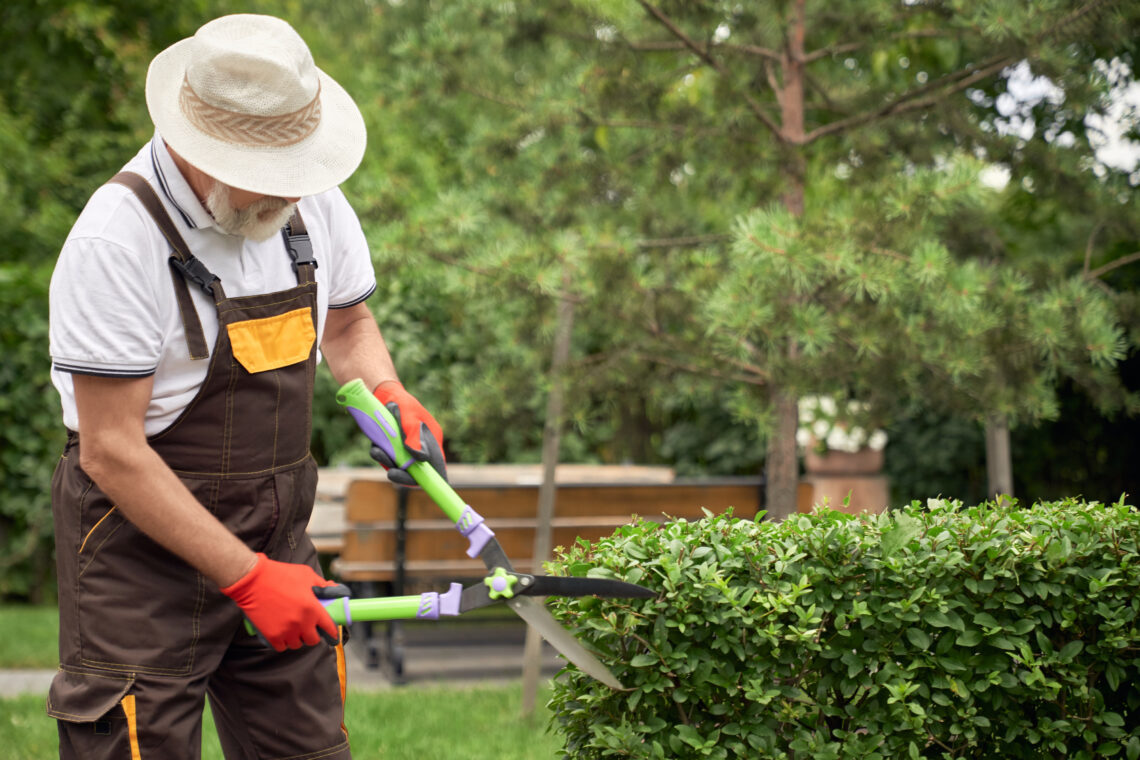
Sterilize pruners before use to avoid spreading disease. Sharp blades make clean cuts, reducing plant stress.
3. Cut Back to a Few Inches Above Soil
Most perennials should be pruned to about 2–3 inches above the soil line. This leaves a small crown to protect the plant base.
4. Dispose of Diseased Material
Do not compost diseased foliage—it can reintroduce problems in spring. Instead, bag and discard it.
5. Mulch After Pruning
Apply a layer of mulch around the base of perennials to insulate roots from temperature fluctuations.
Perennials to Leave Standing for Winter
Some plants provide benefits when left unpruned:
- Coneflowers and Rudbeckia: Their seeds feed finches and other birds.
- Grasses (Miscanthus, Panicum): Provide structure and protect soil from erosion.
- Sedum: Adds sculptural beauty under snow.
Leaving these perennials intact also supports pollinators and beneficial insects that overwinter in hollow stems.
Common Mistakes to Avoid
- Over-pruning: Cutting too close to the crown can damage the plant.
- Ignoring pests: Skipping cleanup may lead to infestations next year.
- Treating all perennials the same: Each species has unique needs—research before you prune.
Final Thoughts
Pruning perennials in fall is less about tidying up and more about laying the groundwork for next year’s success. With the right timing and technique, your garden will reward you with healthier plants, stronger blooms, and fewer problems when spring arrives.
Think of fall pruning as a gift you give your garden—an investment that pays off in vibrant, vigorous growth once winter’s chill fades away.


You May Also Like
Best Boots for Car Wash Workers and Auto Detailers: Footwear for Wet Concrete, Pressure Washing, Soap, and Long Shifts
How to Adjust Grazing Rotation as Growth Rates Begin to Decline