Hay, Shelter, and Warmth: Keeping Animals Comfortable All Winter Long
As winter’s chill tightens its grip, ranchers and homesteaders across America face the same annual challenge—keeping animals healthy, warm, and stress-free through months of freezing temperatures. The cold season tests every part of a livestock operation: the quality of feed, the strength of shelter, and the consistency of care. Animals don’t stop needing nutrition, comfort, or protection just because the thermometer dips below zero. In fact, their needs only increase.
Keeping livestock comfortable all winter long requires a balance of proper feeding, thoughtful sheltering, and smart warmth management. Let’s break down how to get each of these right—so your animals stay thriving, not just surviving, when the frost sets in.
1. Hay Is More Than Feed—It’s Winter Fuel
When pastures go dormant, hay becomes the backbone of your feeding program. But not all hay is created equal. The nutritional value—especially protein and fiber content—varies depending on when and how it’s cut.
For cattle, horses, goats, and sheep, aim for high-quality grass hay or a grass-legume mix (such as timothy and alfalfa). Legume hay provides extra protein and calcium, ideal for lactating or pregnant animals. Grass hay, on the other hand, offers more roughage to help generate internal heat through digestion.
A good rule of thumb: livestock consume roughly 2.5–3% of their body weight in hay per day. But when temperatures drop below freezing, that number climbs. Animals burn extra calories to stay warm, so always have more on hand than you think you’ll need—at least a 20% cushion in your winter hay supply.
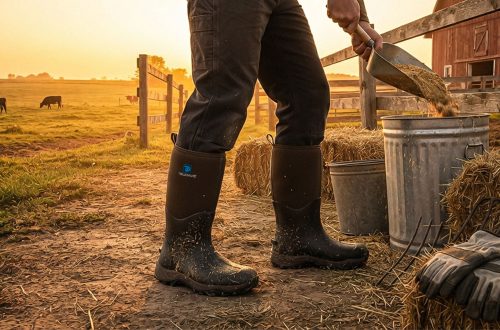
Storage is equally important. Keep bales off the ground and under cover, preferably on wooden pallets or gravel. Moisture and mold not only ruin hay quality but can cause respiratory or digestive issues. Check for heat spots, discoloration, or musty smells before feeding.
Pro tip: If your animals start leaving stems behind, try flaking hay more often throughout the day. Smaller, more frequent meals help maintain body temperature and minimize waste.
2. Shelter That Works: Windbreaks, Barns, and Bedding
You don’t need a fancy barn to protect your animals from the elements—but you do need the right kind of shelter.
For most livestock, wind protection is the biggest factor in maintaining body warmth. A solid three-sided shed facing away from prevailing winds is often enough to make a dramatic difference in comfort and energy use. Even temporary windbreaks made from stacked hay bales or wood panels can reduce wind chill by up to 50%.
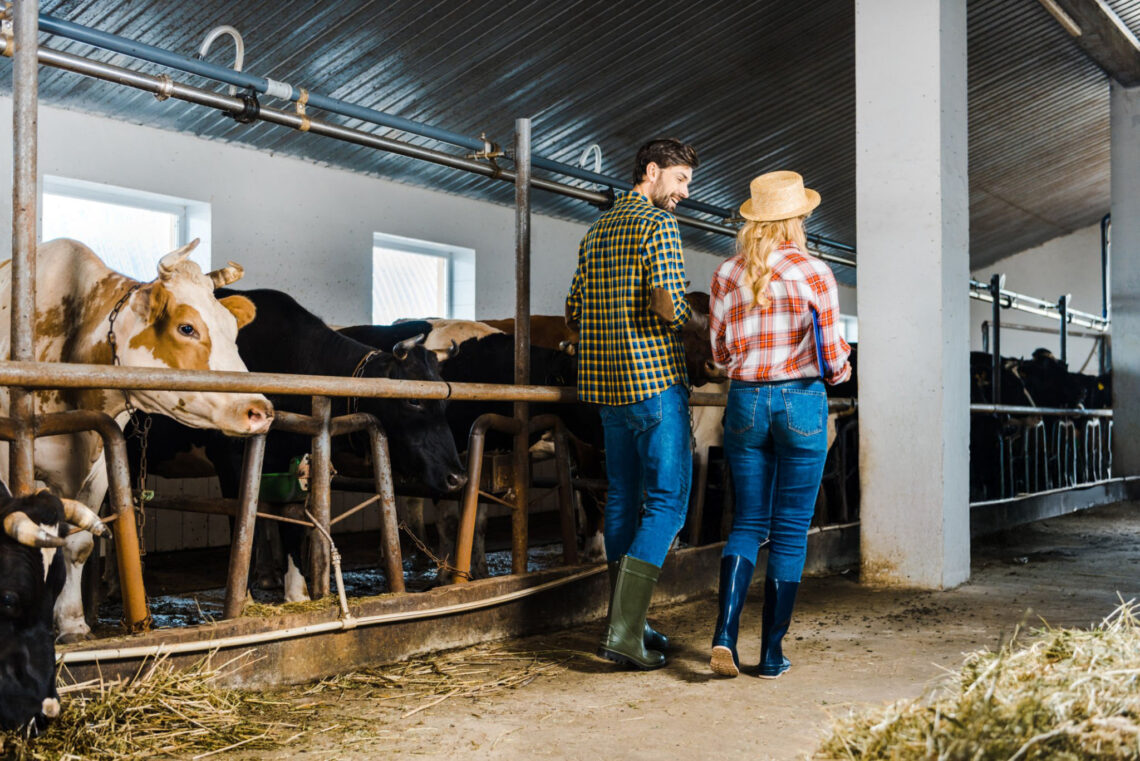
Inside barns or loafing sheds, focus on dryness and ventilation. Damp bedding, condensation, or manure buildup can quickly lead to frostbite or respiratory illness. Clean pens regularly and maintain deep bedding layers of straw, wood shavings, or corn stalks for insulation.
For smaller animals—like goats, sheep, or poultry—draft protection is essential. Line walls with tarps or plywood and make sure doors latch tightly. Chickens benefit from added straw on coop floors and a roosting bar higher off the ground, where warm air rises.
Avoid the temptation to completely close barns. Fresh airflow prevents ammonia buildup, which can harm lungs and eyes. A vent gap under the roofline is usually enough to maintain air quality without letting in drafts.
3. Water and Warmth: The Often Overlooked Essentials
Hydration is just as critical as warmth. In freezing weather, animals will often eat less if water isn’t readily available—and dehydration can lead to digestive impaction or reduced milk production.
Keep troughs and buckets ice-free using automatic de-icers, heated waterers, or simple floating devices that keep the surface moving. Check twice daily, even with heating elements, to ensure everything is working properly.
When it comes to warmth, remember: livestock generate their own heat through digestion. The key is helping them conserve it. Well-fed animals with access to dry bedding and shelter often stay warm without the need for artificial heat sources.
For young, sick, or newborn animals, consider heat lamps or thermal pads—but use them cautiously. Secure lamps firmly to prevent fire hazards and maintain safe distances from bedding. Infrared or ceramic heaters are safer options than traditional bulbs.
4. Monitoring Body Condition and Behavior
Winter care isn’t set-and-forget. Animals’ needs shift as the season progresses, and early signs of cold stress can be subtle.
Watch for:
- Shivering or huddling — Indicates insufficient shelter or feed energy.
- Dull coats or weight loss — May mean feed isn’t meeting nutritional needs.
- Reduced water intake — Often linked to frozen troughs or unpalatable temperatures.
Perform regular body condition checks by feeling the ribs, back, and hips. Adjust feed accordingly. Heavier animals handle cold better, but don’t let stock become obese—it increases stress on joints and hooves when footing is icy.
If you’re managing different species, prioritize care by vulnerability. Calves, lambs, and chicks are most susceptible to hypothermia, while mature cattle and horses can withstand much lower temperatures if kept dry and fed.
5. Safety and Efficiency Around the Farm
Winter chores can be rough, but smart planning makes a difference. Place feeding areas close to shelter to reduce animal travel distance. Lay down gravel or sand in high-traffic paths to prevent slipping.
Keep equipment ready: shovels, ice chippers, and insulated gloves are worth their weight in gold during blizzards. If you use ATVs or tractors for feed delivery, run regular maintenance checks and store them in dry sheds to prevent freezing issues.
Lighting also matters during long, dark nights. LED floodlights or solar-powered barn lights make early-morning or late-evening chores safer and more efficient.
6. The Payoff: Healthy Herds and Peace of Mind
When animals are comfortable, they eat better, stay healthier, and experience less stress—meaning fewer illnesses, better weight retention, and smoother spring transitions. Proper winter care is an investment that pays back in both productivity and peace of mind.
Every bale of hay you stack, every shed you repair, every bucket you thaw contributes to a simple truth: comfort equals survival. Whether you’re tending to a herd of cattle or a backyard flock of chickens, your attention to warmth and shelter will make the difference between enduring winter—and mastering it.
Final Thoughts
Winter doesn’t have to be a season of struggle for livestock. With quality hay, reliable shelter, and mindful warmth management, your animals can thrive even when temperatures drop. Ranching and homesteading through winter is as much about preparation as perseverance—and a well-prepared farm is a warm, peaceful one.


You May Also Like
Managing Hay Inventory When Winter Feeds Are Still Critical
Why Your Pasture Looks Green but Isn’t Producing Enough Feed