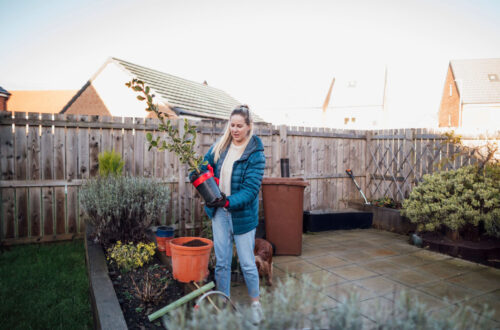
Late-Fall Mulching: Insulating Garden Beds for Winter Survival
As autumn winds down and the last leaves fall, many gardeners assume their work is done until spring. But late fall offers one of the most critical opportunities to protect your garden: mulching. Applying mulch at this time of year creates an insulating layer that shields soil and plant roots from the harsh swings of winter weather. Done right, late-fall mulching can mean the difference between plants that limp through spring and those that burst back with vigor.
This guide will walk you through why mulching matters in late fall, the best materials to use, application techniques, and common mistakes to avoid—so your garden beds thrive when warm weather returns.
Why Late-Fall Mulching Matters
Mulching isn’t just about making your garden look neat. It’s a protective step that helps plants endure winter stress. Benefits include:
- Temperature regulation: Mulch insulates the soil, preventing rapid freeze-thaw cycles that can heave plant roots out of the ground.
- Moisture retention: Even in cold months, soil dries out. Mulch helps trap moisture around the root zone.
- Weed suppression: A thick layer discourages winter and early spring weeds from sprouting.
- Soil health: Organic mulch decomposes over time, enriching soil with nutrients and improving structure.
- Protection for perennials and bulbs: Tender root systems and shallow bulbs are less likely to suffer frost damage.
Choosing the Right Mulch for Winter
Not all mulch materials perform the same in cold weather. Here are some of the best options for late fall:
- Straw: Lightweight, insulating, and easy to spread. Ideal for vegetable beds and strawberry patches.
- Shredded leaves: Abundant in fall, they decompose quickly, adding organic matter to soil. Best when chopped to prevent matting.
- Wood chips or bark: Long-lasting and effective at keeping soil temperature stable, great for perennial beds.
- Pine needles: Excellent insulation and weed suppression; they also improve soil acidity over time.
- Compost: A nutrient-rich top layer that doubles as mulch while feeding the soil.
For tender perennials or overwintering vegetables, combining materials—such as compost under a straw layer—offers added protection.
How to Apply Mulch in Late Fall
1. Wait for the Ground to Cool
Mulch should go down after the first few hard frosts, but before the ground fully freezes. Applying too early can trap warmth, encouraging untimely growth that won’t survive winter.
2. Prepare the Beds
Clear away weeds and diseased plant debris. If left in place, these can harbor pests and pathogens through winter.
3. Apply the Right Depth
- Perennial beds: 2–4 inches of mulch.
- Vegetable gardens: 4–6 inches, especially for root crops left in the ground.
- Around trees and shrubs: 3–4 inches, but keep mulch pulled back a few inches from the trunk to prevent rot.
4. Cover Sensitive Plants Generously
Delicate perennials, such as lavender or rosemary in cooler zones, may need extra insulation—up to 6 inches of straw or leaves.
5. Check for Settling
Mulch compresses over time. Replenish if it thins out during mid-winter warm spells.
Special Considerations
- Bulb Beds: After planting bulbs, add 3–4 inches of mulch once the soil cools to protect them from frost heave.
- Vegetables Like Carrots and Beets: Mulching allows you to “store” crops in the soil, harvesting as needed throughout winter.
- Perennials That Prefer a Dry Crown: Plants like bearded iris should have mulch placed around, not directly on, their crown to avoid rot.
Common Mistakes to Avoid
- Over-mulching: Too thick a layer can suffocate roots and encourage rodents to nest.
- Using fresh manure: While nutrient-rich, it can burn plants and introduce pathogens.
- Piling mulch against stems or trunks: Known as “mulch volcanoes,” this traps moisture and causes rot.
- Skipping cleanup: Mulching over diseased debris spreads problems into the next growing season.
The Payoff of Late-Fall Mulching
Think of mulch as a winter blanket for your garden. By applying it at the right time and with the right materials, you protect your investment in perennials, shrubs, bulbs, and even vegetables. Come spring, you’ll notice soil that’s easier to work, plants that look healthier, and fewer weeds competing for space.
Late-fall mulching is one of the simplest, most effective ways to set the stage for a thriving garden in the year ahead. A few hours of work now can save you weeks of trouble later—and reward you with a stronger, more resilient landscape when winter finally loosens its grip.


You May Also Like
The Last Green Push: Cold-Hardy Veggies You Can Still Plant Right Now

Micro-Forage Management: Maximizing Small Patches of High-Quality Grass