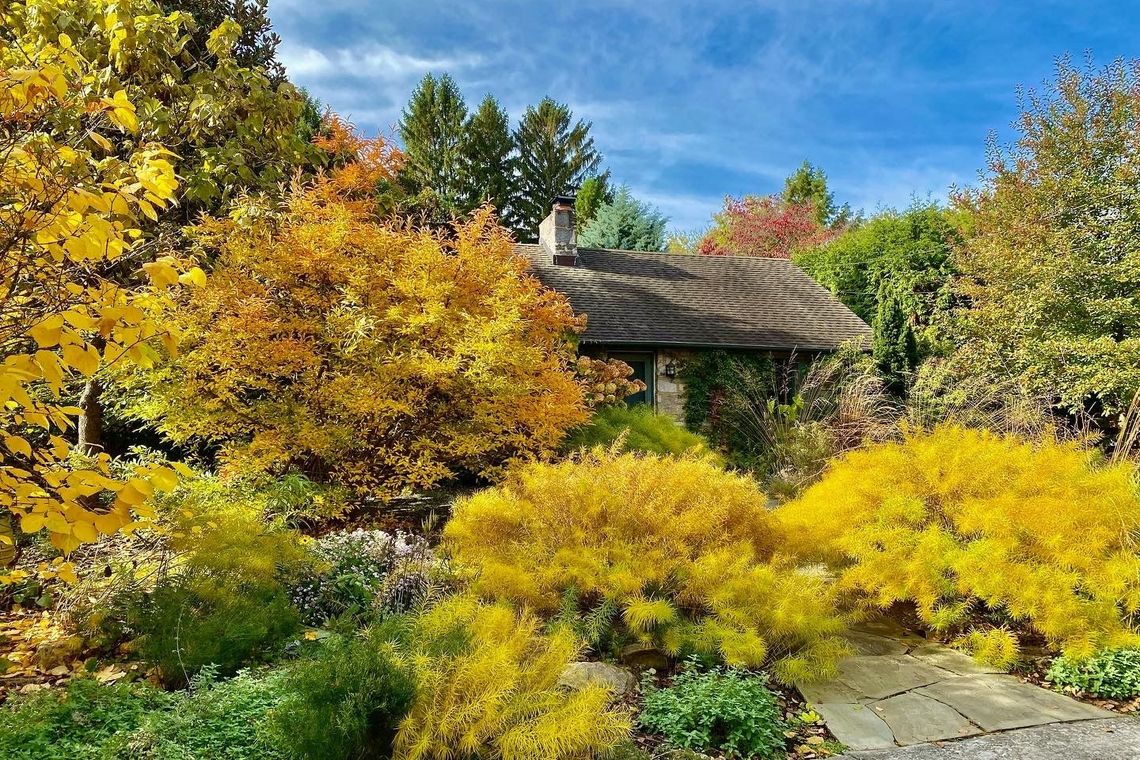
The Beauty of Fall Clean-Up: Turning Yard Waste into Garden Gold
Autumn is a season of transformation — colorful leaves blanket lawns, plants slow their growth, and gardeners begin preparing for winter. While fall clean-up might feel like a chore, it’s actually a golden opportunity to enrich your garden for the coming year. By turning yard waste into compost, mulch, or soil amendments, you can transform seasonal debris into valuable resources for your landscape.
This guide explores how to turn fall yard waste into garden gold while keeping your property tidy and sustainable.
1. Why Fall Clean-Up Matters
Fall clean-up is more than raking leaves. It’s about preparing your garden to thrive through winter and ensuring it’s ready for spring growth. Key benefits include:
- Reducing pests and disease: Removing decaying plant matter helps prevent overwintering pests and disease spores.
- Preparing soil for spring: Clearing debris improves air circulation and allows for better soil preparation.
- Creating compost and mulch: Yard waste is rich in organic matter that can nourish your garden next season.
Fall clean-up is a proactive step toward a healthier, more productive garden.
2. Sorting Yard Waste: What to Keep and What to Compost
Not all yard waste is created equal. To turn your clean-up into garden gold, sort materials into compostable and non-compostable categories:
Compostable Yard Waste
- Fallen leaves and grass clippings
- Plant stems and garden trimmings
- Vegetable scraps and spent annuals
- Straw and hay
Non-Compostable Yard Waste
- Diseased plants (to prevent spreading disease)
- Large branches without chipping
- Invasive plant roots
- Plastic, treated wood, or other non-organic debris
By sorting waste effectively, you ensure the compost you create is nutrient-rich and disease-free.
3. Composting Yard Waste: Your Gold-Making Process
Composting is one of the best ways to transform yard waste into a valuable soil amendment. Fall is an ideal time for composting because:
- Leaves, a major source of yard waste, break down into rich humus.
- Garden debris provides a balance of carbon and nitrogen for compost piles.
Steps to Compost Effectively in Fall:
- Collect yard waste: Gather leaves, grass clippings, and plant trimmings.
- Shred leaves: Shredded leaves decompose faster and make better mulch.
- Balance “greens” and “browns”: Mix nitrogen-rich green waste (grass clippings, vegetable scraps) with carbon-rich brown waste (fallen leaves, straw).
- Build your pile: Layer materials for proper airflow and moisture retention.
- Turn periodically: Turning compost speeds decomposition and prevents odors.
By following these steps, your yard waste will transform into nutrient-rich compost to feed your garden next season.
4. Mulching with Yard Waste: A Sustainable Solution
If composting isn’t an option for all yard waste, consider using shredded leaves and plant debris as mulch. Mulching provides multiple benefits:
- Retains soil moisture
- Suppresses weeds
- Insulates plant roots
- Adds organic matter to soil
Shredded leaves make especially good mulch for vegetable gardens, flower beds, and around trees and shrubs. Apply a 2–4 inch layer in the fall to protect soil over winter and improve fertility by spring.
5. Yard Waste Management Tips for Fall
- Use a leaf shredder or mower to speed up decomposition and reduce volume.
- Store compost piles in shaded, well-drained spots to keep them active.
- Avoid piling mulch against plant stems or tree trunks to prevent rot and pests.
- Rotate garden beds after clean-up to improve soil structure and fertility.
Proper management ensures yard clean-up is efficient and beneficial for your garden.
6. Turning Yard Waste Into Garden Gold Year After Year
A well-planned fall clean-up transforms debris into an investment in your garden’s future. By composting and mulching yard waste, you close the nutrient cycle, reduce waste, and cultivate healthier soil. The result is a vibrant garden that thrives season after season — and a more sustainable home landscape.
Final Thoughts
Fall yard clean-up is more than removing leaves and debris — it’s a chance to enhance soil health, prevent plant disease, and build the foundation for a strong growing season. With a little planning and effort, your yard waste can be turned into valuable garden gold, enriching your landscape long after autumn fades.


You May Also Like

Muddy Paws and Happy Tails: Why Animal Shelter Volunteers Need Trudave Rain Boots
Cover Crops for Fall: Protecting and Enriching Your Garden Soil