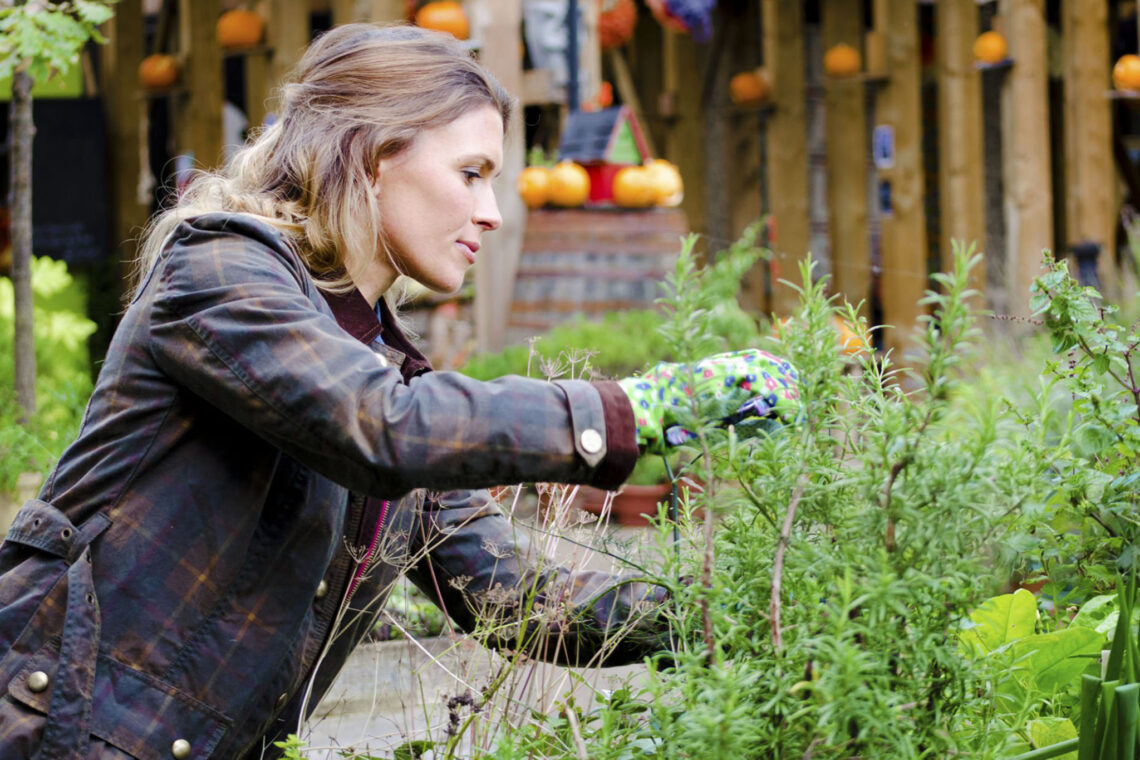
Mulch Like a Pro: Insulating Roots and Suppressing Weeds This Fall
Fall is a critical season for gardeners and homesteaders who want to protect their plants, improve soil health, and prepare for the next growing season. Mulching in autumn is one of the most effective ways to achieve these goals. Done right, it insulates plant roots against cold temperatures, reduces weed growth, retains moisture, and enriches the soil over time.
This guide breaks down best practices for mulching this fall — from choosing the right materials to application tips — so your garden thrives through winter and into spring.
1. Why Mulching in Fall Matters
Mulching is not just a cosmetic touch. In autumn, mulch serves several vital functions:
- Root insulation: Mulch buffers soil against extreme temperature swings, protecting roots during frosts.
- Weed suppression: A thick mulch layer blocks sunlight, preventing weed seeds from germinating.
- Moisture retention: Mulch slows evaporation, keeping soil consistently moist and reducing watering needs.
- Soil enrichment: Organic mulch decomposes over time, adding nutrients and improving soil structure.
Proper mulching now sets the stage for healthier plants and less garden maintenance in spring.
2. Choosing the Right Mulch for Fall
Selecting the right type of mulch depends on your garden goals and plant types. Common options include:
a. Organic Mulches
- Straw or hay: Excellent for vegetable gardens; breaks down quickly and enriches the soil.
- Wood chips or bark: Ideal for perennial beds and around trees; offers long-lasting coverage.
- Leaves: Readily available in fall, they decompose into rich humus. Shredding leaves improves coverage and decomposition.
- Compost: Adds nutrients directly while insulating roots.
b. Inorganic Mulches
- Landscape fabric: Effective at blocking weeds, but doesn’t improve soil quality.
- Plastic sheeting: Best for vegetable beds needing early spring warmth, but can reduce soil aeration.
Organic mulches are generally preferred in fall for their soil-building benefits.
3. How to Mulch Like a Pro
a. Timing Matters
The best time to mulch is after the first frost but before prolonged freezing temperatures. This timing maximizes insulation benefits and protects soil structure.
b. Preparing the Soil
- Clear weeds and debris before applying mulch.
- Water plants well so they enter winter in good condition.
- If using compost or nutrient-rich mulch, apply it before the insulating layer.
c. Application Tips
- Apply mulch evenly, aiming for a depth of 2–4 inches. Too thin won’t insulate well; too thick can suffocate roots or encourage pests.
- Keep mulch a few inches away from tree trunks or plant stems to prevent rot and disease.
- For perennial beds, extend mulch coverage over root zones for maximum protection.
4. Mulching for Different Garden Needs
Vegetable Gardens
Mulching in vegetable beds reduces soil temperature fluctuations and preserves moisture. Straw, shredded leaves, or compost work best here, breaking down in spring to enrich soil.
Flower and Perennial Beds
Wood chips or shredded bark provide lasting insulation. In perennial beds, mulch also discourages early weed growth and protects emerging shoots.
Fruit Trees and Shrubs
Apply mulch in a wide circle around the drip line of trees and shrubs, keeping it away from trunks. This protects roots and maintains even soil moisture.
5. Fall Mulch Maintenance
Even after application, mulch benefits from seasonal upkeep:
- Check mulch depth in late winter and add more if needed.
- Remove any weeds that break through.
- Turn or fluff mulch in early spring to prevent compaction and encourage soil aeration.
6. The Benefits You’ll Reap
Fall mulching offers year-round advantages:
- Reduced soil erosion.
- Improved soil fertility.
- Healthier, better-protected plants in winter.
- Reduced weed growth and garden maintenance.
Final Thoughts
Mulching like a pro isn’t just about piling organic matter over the soil. It’s about understanding timing, material choice, and application technique to optimize benefits for insulation, weed control, and soil health. Fall is the perfect time to give your garden this essential care, ensuring it emerges stronger and more productive in the spring.


You May Also Like
Beyond the Boot — How Trudave Gear Built a Complete Rain Boot System, and Why the Little Details Make the Biggest Difference
Why Turning Cattle Out Too Early Can Cost You All Season