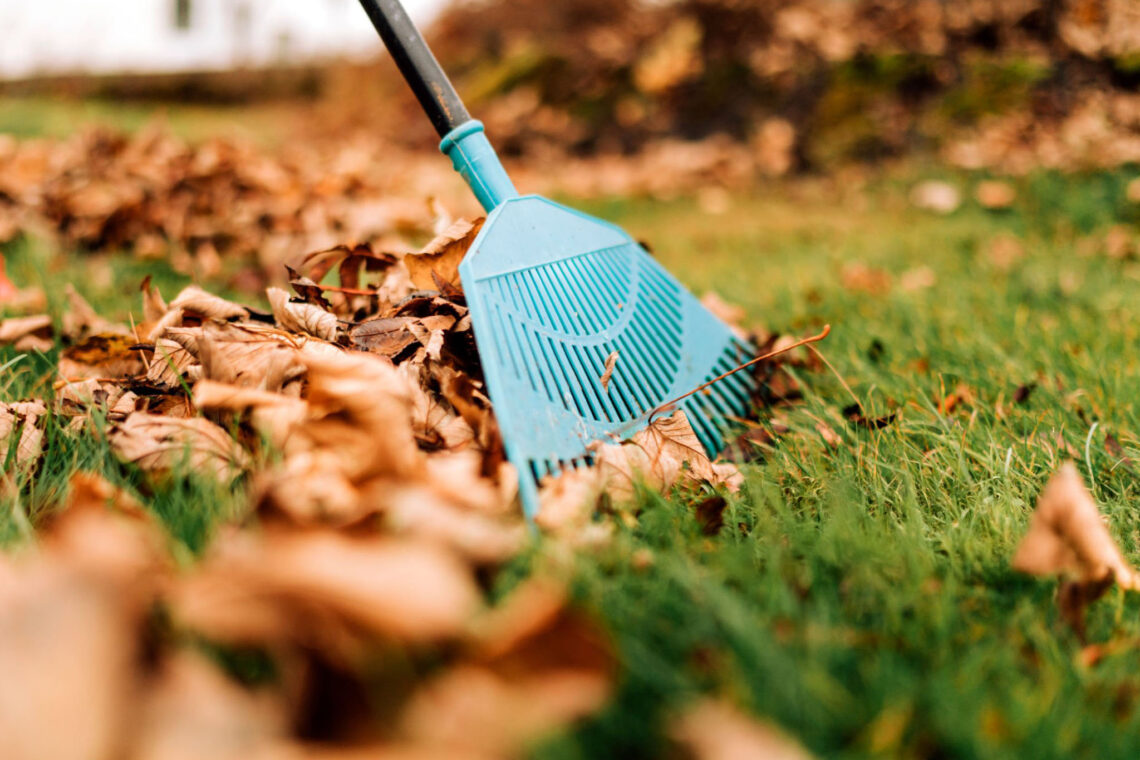
Blanket the Beds: How to Use Straw and Leaves for Winter Insulation
When the chill of late fall settles in and frost begins to sparkle on garden soil, most plants are preparing for dormancy. But while your garden might look quiet, the life beneath the soil — roots, microbes, and beneficial organisms — still needs protection. One of the best ways to safeguard your garden through winter is by using straw and leaves as natural insulation.
Mulching garden beds in late fall not only helps retain warmth and moisture but also builds soil health for next season’s planting. Here’s how to make the most of what nature gives you — and turn fall’s leftovers into a cozy winter blanket for your garden.
Why Winter Insulation Matters
When soil repeatedly freezes and thaws, it causes heaving — a process that can push tender roots or bulbs out of the ground. This cycle stresses perennials, exposes soil to erosion, and kills beneficial organisms. A well-insulated bed acts like a thermal blanket, keeping soil temperature stable and preventing damage from harsh winter swings.
Insulating also keeps beneficial microbes active longer, helping organic matter continue to break down slowly through winter. This results in richer, looser soil come spring — ready for early planting.
Straw vs. Leaves: Choosing the Right Material
Both straw and leaves are excellent insulators, but they serve slightly different purposes depending on your climate and soil type.
1. Straw: Light, Airy, and Reliable
Straw (not hay) is the gardener’s go-to for insulation. It’s light enough to let air circulate while trapping heat, and it doesn’t compact easily under snow.
- Best for: Vegetable beds, raised beds, and strawberry patches.
- Benefits: Prevents frost heave, reduces weed growth, and adds organic matter as it decomposes.
- Pro tip: Choose clean, seed-free straw to avoid unwanted sprouts in spring.
2. Leaves: Abundant and Nutrient-Rich
Fallen leaves are nature’s gift — free, plentiful, and nutrient-packed. They insulate beautifully when shredded or loosely layered.
- Best for: Perennial gardens, flower beds, and around trees.
- Benefits: Add organic carbon, feed soil organisms, and retain moisture under snow cover.
- Pro tip: Shred them with a mower before applying; whole leaves can mat down and block air.
How to Apply Straw and Leaves for Maximum Protection
Timing and technique are key to getting the most out of your winter mulch.
1. Wait for the Right Moment
Apply insulation after the first hard frost but before the ground freezes solid. This allows plants to enter dormancy naturally without trapping excess moisture around roots.
2. Clear the Beds First
Remove weeds, spent plants, and debris to prevent pests and disease from overwintering under the mulch. Compost healthy plant material — but discard anything with fungal spots or insects.
3. Layer Smartly
- Spread 3–6 inches of straw or shredded leaves over garden beds.
- Around perennials, keep mulch an inch away from crowns to prevent rot.
- In vegetable gardens, cover rows evenly but lightly — you’ll pull it back in early spring when the soil starts to warm.
4. Combine Materials
One of the best insulation methods is mixing straw and leaves. Leaves settle into small spaces for dense coverage, while straw maintains airflow and prevents compaction. This layered combination mimics nature’s own forest floor.
Extra Tips for Specific Garden Areas
Vegetable Beds
Cover any bare soil left after harvest. If you’ve planted garlic or overwintering greens, a straw blanket protects young shoots from freeze damage while letting them breathe.
Perennial Beds
For flowers like daylilies, peonies, or echinacea, leaf mulch helps stabilize soil temperature and keeps crowns from freezing. Avoid packing mulch directly over the base of plants.
Raised Beds
Because raised beds lose heat faster, they benefit from a thicker 6–8 inch layer of straw or leaves. You can even add a top layer of burlap or row cover fabric for extra protection.
Newly Planted Trees or Shrubs
Circle the base with a 2–3 foot diameter of shredded leaves to insulate roots. Just make sure mulch doesn’t touch the bark to prevent rot or rodent damage.
Don’t Forget About Soil Health
While straw and leaves act as insulation, they also play a long game — improving soil fertility. Over winter, moisture, microbes, and earthworms begin breaking down the organic material. By spring, you’ll find dark, crumbly soil full of life.
To supercharge this process, sprinkle a thin layer of compost or manure under your mulch before applying straw or leaves. It gives microbes a head start and helps nutrients seep deeper through the soil profile as snow melts.
Spring Cleanup and Reuse
Once temperatures begin to rise in spring, gradually pull mulch back to let the soil warm. Straw can be composted, mixed into the soil, or reused as mulch around new seedlings. Partially decomposed leaves make excellent top dressing for new beds or can go straight into the compost pile.
Nothing goes to waste — what protected your beds all winter now feeds them for the growing season ahead.
Final Thoughts: Let Nature Do the Work
When you insulate your garden with straw and leaves, you’re not just keeping it warm — you’re working with the rhythm of the seasons. Instead of fighting winter, you’re using its quiet months to rebuild soil structure, retain moisture, and prepare for spring vitality.
So don’t bag those leaves or burn that straw — spread them out, let them settle, and give your garden the comfort it deserves before the snow flies.
Because when you blanket your beds right, you’re not just protecting plants — you’re investing in next year’s growth.


You May Also Like

The 6 AM Enemy: How Trudave Rain Boots Solved My Wet Grass Problem (For Good)

Garden Tools and Cold Hands: End-of-Season Maintenance Every Grower Should Do