Turning Leaves into Gold: Making Compost from Autumn’s Bounty
Every fall, yards across America fill with piles of fallen leaves — a beautiful reminder of changing seasons, but also an incredible opportunity for gardeners and ranchers. What many see as waste is actually one of nature’s richest resources. With a little effort and the right approach, those crunchy, colorful leaves can be transformed into nutrient-dense compost — the “black gold” that fuels next year’s garden and pasture growth.
Autumn’s bounty isn’t just decoration — it’s a treasure chest of organic matter waiting to be repurposed. In this guide, we’ll explore how to turn fall leaves into compost that improves soil structure, retains moisture, and feeds your plants all year long.
🍂 Why Fall Leaves Are Compost Gold
Fallen leaves are nature’s original mulch and fertilizer. They’re packed with carbon, an essential element for composting. When combined with nitrogen-rich materials like grass clippings, kitchen scraps, or manure, they create the perfect environment for microbes to break everything down into dark, crumbly humus.
Unlike synthetic fertilizers, compost made from leaves improves soil structure, aeration, and water retention while releasing nutrients slowly — exactly the way plants prefer.
Bonus: You’re recycling what’s already on your land, saving money, and keeping valuable organic matter out of landfills.
🧩 Step 1: Gather and Shred Your Leaves
Not all leaves are created equal. Oak and maple leaves are excellent compost material, while waxier leaves like magnolia or holly break down slowly and may need shredding.
How to collect and prepare your leaves:
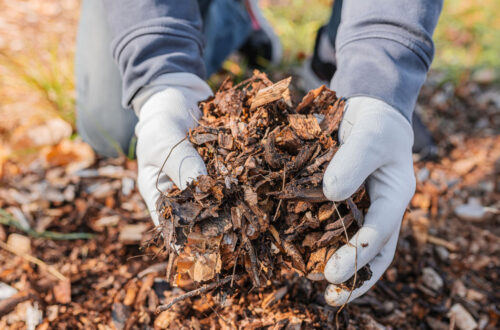
- Use a mulching mower or leaf shredder to chop them into smaller pieces — this increases surface area and speeds up decomposition.
- Avoid thick mats of unshredded leaves; they block airflow and can turn slimy.
- If you don’t have a shredder, simply mow over leaf piles and rake them up afterward.
Pro tip: Shredded leaves make great temporary mulch for garden beds or pathways until you’re ready to compost them.
🌱 Step 2: Balance the Carbon-to-Nitrogen Ratio
Every compost pile needs a balance between “browns” (carbon-rich materials like dry leaves, straw, or sawdust) and “greens” (nitrogen-rich materials like grass clippings, vegetable peels, or manure).
The ideal carbon-to-nitrogen ratio (C:N) is around 30:1 — roughly three parts brown material to one part green material.
Example mix for a perfect fall compost pile:
- 3 bags of shredded leaves
- 1 bag of fresh grass clippings or manure
- A few handfuls of soil or finished compost to introduce microbes
Mix your layers lightly to ensure oxygen flow. Too much nitrogen can create odor, while too much carbon can slow the process — aim for a balanced, earthy smell.
🔥 Step 3: Build the Perfect Compost Pile
A good compost pile needs the right conditions: air, moisture, and warmth.
Structure your pile like this:
- Start with a coarse layer (small branches or straw) at the bottom for airflow.
- Add alternating layers of shredded leaves (“browns”) and green material.
- Sprinkle a shovel of soil or compost every few layers to add beneficial microbes.
- Keep the pile moist like a wrung-out sponge — not soggy.
Ideal size: About 3 feet high and 3 feet wide. Too small, and it won’t heat up; too large, and air won’t circulate properly.
🌡️ Step 4: Manage Temperature and Aeration
Microbes generate heat as they break down materials. A well-balanced compost pile can reach 130–150°F (55–65°C) — hot enough to kill weed seeds and pathogens.
To maintain this:
- Turn your pile every 1–2 weeks to add oxygen and mix layers.
- If the pile cools down, add more greens (like kitchen waste or manure).
- If it smells sour or feels soggy, add dry browns and turn it for better airflow.
During cold months, cover your pile with a tarp or straw to retain warmth and moisture. Even if decomposition slows in winter, microbes will reactivate as temperatures rise in spring.
💧 Step 5: Keep Moisture Levels Just Right
Compost organisms need water to thrive, but too much moisture suffocates them. Test your pile by grabbing a handful — it should feel damp but not dripping.
If it’s too dry, sprinkle it with water or add fresh greens.
If it’s too wet, turn it and mix in shredded leaves or straw to restore balance.
🪱 Step 6: Add Worms or Use a Bin System (Optional)
If you’re short on space, try vermicomposting — using worms to convert leaves and scraps into rich compost indoors or in a sheltered area.
Red wigglers (Eisenia fetida) thrive on shredded leaves mixed with small amounts of food waste. This method works great for urban gardeners or anyone wanting faster results during winter months.
Alternatively, a compost tumbler or wire bin can simplify turning and pest control while keeping your yard tidy.
🌿 Step 7: Finishing and Using Your Compost
Depending on temperature, materials, and turning frequency, your leaf compost will mature in 3–6 months. Finished compost should be:
- Dark brown or black
- Crumbly and earthy-smelling
- Cool to the touch
Ways to use your “leaf gold”:
- Mix into garden beds to enrich soil before planting
- Top-dress lawns or pastures to improve moisture retention
- Use as mulch around trees and shrubs
- Blend into potting soil for container gardens
Adding this organic matter each year builds soil fertility naturally — no synthetic fertilizer required.
🪶 Common Mistakes to Avoid
- Ignoring balance: Too many leaves alone create a dry, slow pile.
- Overcompacting: Piles need air — turn regularly to prevent anaerobic conditions.
- Adding diseased plants or treated wood: These can introduce toxins or pests.
- Skipping moisture checks: Dry piles stop composting altogether.
🌾 Beyond the Garden: Compost for Ranches
For ranchers, fall leaf composting goes beyond garden beds. Mixing shredded leaves with manure from barns or corrals creates a nutrient-dense, microbe-rich compost perfect for pasture improvement. Spread in early spring to enhance grass growth, water absorption, and soil carbon storage.
🌻 Final Thoughts: Turning Autumn’s Waste into Tomorrow’s Fertility
Each leaf that falls is a gift — a package of organic matter, trace minerals, and carbon ready to renew your land. By composting autumn’s bounty, you’re closing the natural nutrient loop, improving soil health, and building resilience for seasons to come.
When spring arrives, your garden or pasture won’t just look alive — it’ll be thriving, powered by the quiet work you did all winter long.
So this fall, skip the burn pile or the leaf bags. Turn your leaves into gold — and invest in next year’s growth today.


You May Also Like

The Hidden Cost of Poor Ventilation During Deep Freeze
Best Boots for Cranberry Bog Work: Waterproof Footwear for Flooded Fields, Muddy Dikes, and Harvest Season