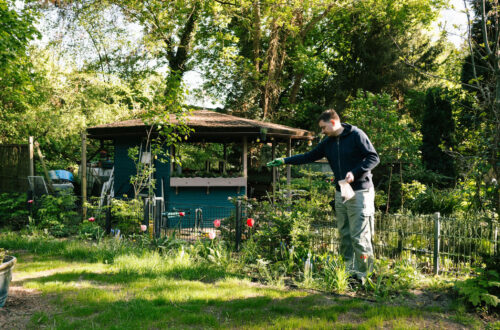
Late-Fall Pruning: Setting Trees and Shrubs Up for Strong Spring Growth
As autumn fades and winter edges closer, most gardeners pack away their tools and wait for the first signs of spring to return. But for those who know the rhythm of the land, late fall is one of the most strategic times to prune. It’s the quiet before renewal — when trees and shrubs slow down, energy pulls inward, and every careful cut you make now sets the stage for stronger, healthier growth when warmth returns.
Late-fall pruning isn’t just seasonal maintenance; it’s preparation. Done correctly, it shapes structure, prevents disease, and channels a plant’s stored energy into vibrant spring shoots. Here’s how to do it right — and why timing, technique, and precision matter more than ever.
Why Late Fall Is the Perfect Time to Prune
By late fall, deciduous trees and shrubs have entered dormancy — leaves have dropped, sap flow has slowed, and growth has paused. This dormancy gives gardeners a unique advantage:
- Better visibility: With no foliage in the way, you can clearly see branch structure, spotting dead, crossing, or diseased limbs.
- Reduced stress: Since the plant isn’t actively growing, pruning doesn’t shock the system or invite sap bleeding.
- Disease control: Many pathogens and pests are inactive during the cold season, minimizing the risk of infections at pruning cuts.
However, the key is timing. You want to prune after hard frost begins but before extreme cold sets in — typically from late November through early December, depending on your region.
1. Start with the Right Tools and Conditions
Late-fall pruning success starts with clean, sharp tools. Bacteria and fungi can overwinter on dirty blades, so always sterilize with a 10% bleach solution or rubbing alcohol before and after each use.
Essential tools include:
- Hand pruners for branches under ¾ inch.
- Loppers for medium branches (¾ to 1½ inches).
- Pruning saws for larger limbs.
Choose a dry, mild day to prune — working in wet or freezing conditions increases the risk of branch splitting and disease spread.
2. Know Which Plants Benefit Most from Late-Fall Pruning
Not every plant welcomes the shears before winter. Here’s a quick guide:
✅ Ideal for late-fall pruning:
- Fruit trees (apple, pear)
- Shade trees (oak, maple, ash)
- Deciduous shrubs (lilac, viburnum, hydrangea paniculata)
- Hardy hedges and windbreaks
🚫 Avoid pruning now:
- Spring-flowering shrubs (forsythia, azalea, lilac) — you’ll cut off next year’s blooms.
- Tender perennials or evergreens — pruning can trigger new growth that winter will damage.
3. Target Dead, Diseased, and Damaged Wood First
Every pruning session should start with the “Three D’s”: Dead, Diseased, and Damaged.
- Dead wood: Snip it back to healthy tissue or a main branch.
- Diseased branches: Cut well below the infection (6–8 inches), sterilizing your tools afterward.
- Damaged limbs: Trim at a clean angle near a bud or lateral branch to prevent further splitting.
This triage pruning helps direct the plant’s stored energy into healthy tissue during dormancy.
4. Shape for Structure and Balance
Once the unhealthy wood is gone, step back and evaluate structure. The goal is to improve air circulation and sunlight penetration — essential for disease prevention and even growth.
Focus on:
- Crossing branches: Remove those rubbing or crowding others.
- Inward growth: Keep the center open (“vase shape” for fruit trees).
- Overgrown tops: Thin canopy height to reduce wind damage and promote strong lateral growth.
Always cut ¼ inch above a healthy bud, angling away so water sheds easily.
5. Don’t Overdo It
Late fall isn’t the time for aggressive reshaping. Limit pruning to no more than 25% of a plant’s total growth. Over-pruning can expose inner wood to frost damage and disrupt the plant’s natural insulation.
If major structural pruning is needed, split the job over two seasons — start shaping now, then finish fine-tuning in early spring.
6. Mulch and Protect After Pruning
Pruning exposes fresh cuts that can be vulnerable to freeze-thaw stress. Help your plants recover with a bit of TLC:
- Mulch 2–3 inches deep around the base to regulate soil temperature.
- Water deeply before the ground freezes — hydrated roots handle winter stress better.
- Avoid sealing cuts with tar or paint; let wounds breathe naturally for healthy callusing.
For young or recently pruned trees, consider wrapping trunks with burlap or tree guards to prevent sunscald and rodent damage during deep winter.
7. The Spring Payoff: Stronger, Healthier Growth
When spring returns, your effort pays off in visible ways:
- Tighter branching and stronger structure support new growth.
- Improved air flow reduces fungal disease risk.
- Trees and shrubs respond with balanced, vigorous shoots instead of weak, leggy growth.
In fruit trees, proper late-fall pruning enhances both fruit quality and quantity, as sunlight reaches deeper into the canopy. For ornamental shrubs, the reward is fuller foliage and controlled shape without overcrowding.
8. Common Mistakes to Avoid
Even experienced gardeners sometimes make these errors:
- Pruning too early: Before dormancy begins, cuts can trigger tender new growth.
- Leaving stubs: Always cut close to the branch collar — stubs decay and invite pests.
- Ignoring weather: A sudden cold snap after pruning can cause tip dieback, so aim for a mild stretch.
- Using dull tools: Ragged cuts heal slowly and attract disease.
Patience and precision are the name of the game — less is often more in fall pruning.
9. Sustainable Bonus: Composting Your Cuttings
Don’t toss your pruned branches into the trash. Instead, chip them for mulch, add small pieces to your compost pile, or stack larger limbs for wildlife shelter.
Woody materials balance nitrogen-rich waste and help aerate compost during the cold season — turning your pruning waste into next year’s soil booster.
Final Thoughts
Late-fall pruning is both art and science — a quiet conversation between gardener and plant. By cutting back now, you’re not taking life away; you’re directing it. Each careful snip shapes the strength, structure, and vitality that will burst forth in spring.
As frost coats your garden and the world slows down, your pruned trees and shrubs are simply gathering energy, preparing for the season of renewal ahead.
So sharpen your shears, pick a crisp afternoon, and step into the rhythm of the land — where every cut you make this fall builds the beauty and resilience of tomorrow’s garden.


You May Also Like
Best Boots for Ranch Work: Waterproof Footwear for Mud, Livestock, Fences, and Long Outdoor Days

Seasonal Tool Check: What Gardeners Replace Before Spring