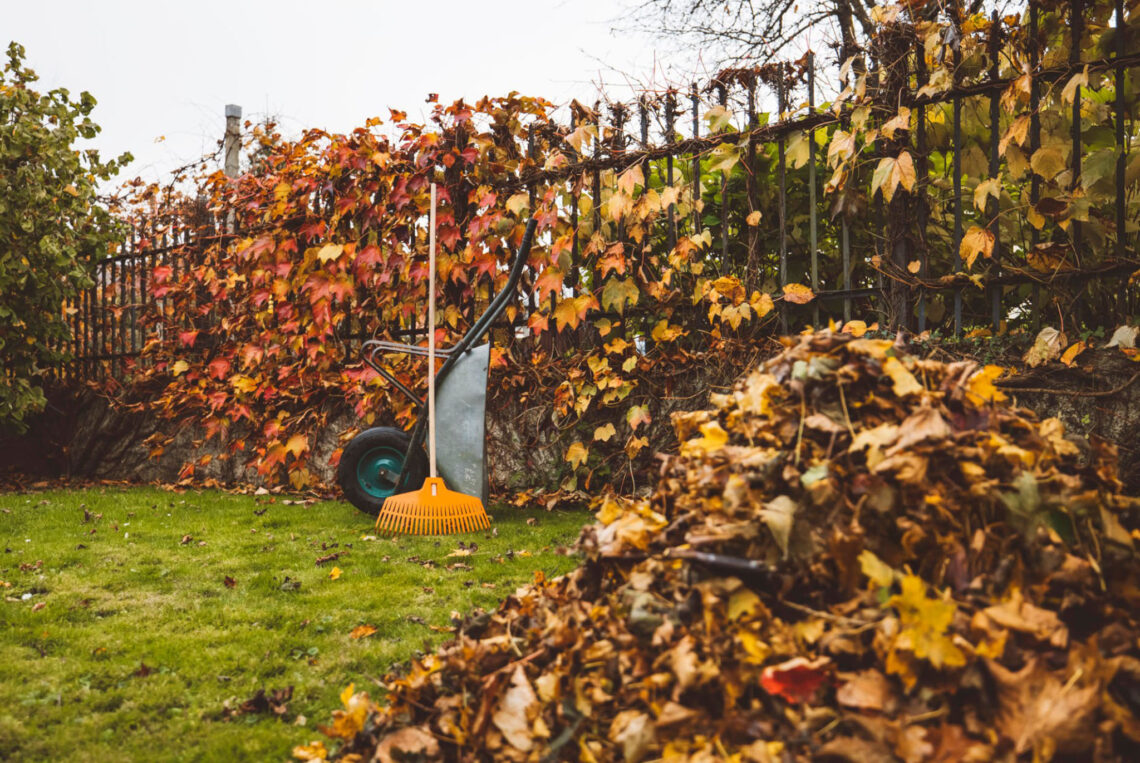
From Kitchen Scraps to Spring Starts: Composting Indoors Like a Pro
As winter loosens its grip and spring waits just over the horizon, there’s one task that often separates thriving homesteads and productive farms from those that struggle to catch up — a pre-thaw soil health checkup. Before the ground warms and seeds hit the dirt, taking time to test and fine-tune your soil can make all the difference in yield, pasture performance, and long-term fertility.
This isn’t just busywork for gardeners or ranchers looking to stay active in the off-season. It’s a strategic move — one that ensures every pound of fertilizer, every drop of water, and every hour of work pays off in the growing months ahead. Let’s break down how to properly assess, interpret, and improve your soil before the thaw arrives.
1. Why Soil Testing Matters Before Spring
Winter has a way of masking underlying issues. Snow cover, frost heave, and dormant plant life make it easy to overlook what’s happening beneath the surface. But as the ground thaws, nutrients start moving — and if your soil isn’t balanced, you’ll lose fertility before your crops or forage even begin to use it.
Early soil testing gives you time to:
- Identify nutrient deficiencies or toxicities (especially nitrogen, phosphorus, and potassium).
- Check pH levels to ensure optimal nutrient availability.
- Evaluate organic matter content and microbial activity.
- Plan your amendment strategy (lime, compost, manure, etc.) before planting season kicks off.
Testing now means you’re not guessing later.
2. How to Take Accurate Soil Samples
A good soil test starts with a good sample. Poor sampling can mislead you and waste money on unnecessary amendments.
Here’s a quick checklist for getting it right:
- Wait for a mild day. The soil should be thawed enough to dig a clean sample, but not saturated with meltwater.
- Use a clean probe or trowel. Avoid rusted tools that could skew micronutrient readings.
- Sample 6 to 8 inches deep for garden and crop fields, or 4 inches for pasture.
- Take multiple cores (10–15) across the area and mix them in a clean bucket.
- Label your samples clearly — especially if you’re testing multiple fields or garden sections.
Once collected, send them to a certified agricultural lab rather than relying on quick home kits. Labs can measure everything from micronutrients like zinc and copper to CEC (cation exchange capacity), giving you a clearer picture of your soil’s “bank account” of fertility.
3. Reading and Interpreting Your Soil Report
When your test results come back, they can look intimidating — a mix of numbers, acronyms, and ratios. But each value tells a story:
- pH (6.0–7.0) is the sweet spot for most crops. Acidic soils (below 6.0) limit nutrient uptake; alkaline soils (above 7.5) can tie up phosphorus.
- Nitrogen (N): Drives early growth but leaches quickly. Plan split applications or use cover crops to retain it.
- Phosphorus (P): Promotes root and flower development. Often needs correction if soil tests low.
- Potassium (K): Critical for stress resistance and disease prevention.
- Organic Matter (OM): Anything above 4% is excellent. It improves structure, moisture retention, and microbial activity.
If your test shows imbalances, use this time before the thaw to plan targeted amendments — lime for pH correction, compost for organic matter, or a balanced NPK fertilizer to cover deficiencies.
4. Adjusting and Amending Before the Thaw
Winter and early spring are perfect for making soil corrections that need time to settle. Here’s what to focus on:
- Apply Lime or Gypsum Early: These need moisture and time to react. Applying before snowmelt ensures even distribution.
- Topdress Compost or Manure: Microbial activity will restart as temperatures rise, helping organic material break down gradually.
- Avoid Heavy Equipment: Frozen or thawing ground compacts easily. Stick to light spreading or manual work.
- Plan for Drainage: Use this downtime to repair erosion channels or install small diversions to prevent spring runoff.
Every amendment now saves effort later. By the time you’re ready to plant, your soil will already be in motion — balanced, enriched, and ready to perform.
5. The Long View: Building Year-Round Soil Health
A single soil test isn’t the end of the story. The healthiest soils are those managed with long-term consistency — regular testing, mindful amendment use, and protection from erosion and compaction.
Here are a few year-round practices that keep your soil thriving:
- Cover crops: Keep living roots in the soil year-round to prevent nutrient loss.
- Rotational grazing: Reduce compaction and promote even manure distribution on pastures.
- Reduced tillage: Preserve soil structure and microbial life.
- Mulching and composting: Boost organic matter naturally.
Healthy soil is alive — a living system that rewards every ounce of care you invest.
Final Thoughts
Before the thaw arrives, give your soil the same attention you give your livestock or machinery. A winter soil health checkup isn’t just good maintenance; it’s a growth strategy. By testing, tuning, and planning early, you ensure that every spring seed has a strong, fertile foundation to grow from.
When the frost fades and life begins to stir, you’ll already be ahead — your soil balanced, your plan set, and your season primed for success.
SEO Keywords: winter soil testing, soil health checkup, early spring gardening tips, pasture management, soil fertility, organic matter improvement, pH correction, winter farm preparation, garden planning before spring, soil amendment guide.
您说:
From Kitchen Scraps to Spring Starts: Composting Indoors Like a Pro 根据这个标题帮写一篇精细化的文章,要求文章内容丰富饱满,文章用美国地道的英文,文章能被谷歌SEO收录,文章内容不要和之前的重复
ChatGPT 说:
From Kitchen Scraps to Spring Starts: Composting Indoors Like a Pro
When winter’s chill keeps you indoors and your garden lies dormant under frost, it’s easy to feel disconnected from the soil. But there’s one simple, satisfying way to keep your green thumb active all year long: indoor composting. Turning kitchen scraps into nutrient-rich compost isn’t just an eco-friendly hobby — it’s a practical way to prep for spring planting while cutting down on household waste.
Whether you’re living in a suburban home or a downtown apartment, composting indoors is easier (and cleaner) than most people think. With the right setup and a little know-how, you can transform everyday food scraps into dark, crumbly “black gold” ready to kick-start your garden come spring.
Let’s walk through how to compost indoors — like a pro.
1. Why Indoor Composting Makes Sense
Many gardeners treat composting as a warm-weather task, but winter and early spring are the perfect times to start composting indoors. Not only does it reduce waste, but it also ensures that when the soil warms, you already have a batch of nutrient-rich compost ready to feed your seedlings and garden beds.
Top benefits include:
- Reduced waste: Keep food scraps out of landfills, where they produce methane.
- Year-round soil enrichment: Have compost ready when you need it, not months later.
- No harsh odors: Properly managed indoor composting smells earthy, not rotten.
- Perfect for all spaces: Even small apartments can host a compact compost bin.
In short, indoor composting helps you stay productive through the cold months — and gives your spring garden a head start.
2. Choosing the Right Indoor Composting System
Indoor composting doesn’t mean piling scraps in a corner. There are several clean, efficient systems designed for indoor use, each catering to different needs and spaces.
A. Traditional Bin Composting
If you have a basement, mudroom, or garage that stays above freezing, a sealed compost bin works beautifully.
- Use a plastic or stainless steel container with a tight lid.
- Drill a few small air holes for ventilation.
- Line the bottom with shredded newspaper or dry leaves to absorb moisture.
Pro Tip: Keep your “green” (food scraps) to “brown” (paper, cardboard, or leaves) ratio at about 1:2 to prevent smells and maintain balance.
B. Vermicomposting (Worm Composting)
For apartment dwellers or anyone short on space, vermicomposting is a fantastic low-odor option.
- You’ll need a small bin, bedding (like shredded newspaper), and red wigglers (Eisenia fetida) — the best composting worms.
- The worms eat kitchen scraps and turn them into worm castings, an incredibly nutrient-rich compost perfect for seedlings and houseplants.
- Keep the bin in a warm, dark corner — around 55–77°F (13–25°C) is ideal.
Bonus: Kids love watching the process, making this a great family-friendly sustainability project.
C. Bokashi Composting
If you’re short on time or don’t want to handle worms, Bokashi composting is another great indoor method.
- It’s an anaerobic process (no oxygen required) that ferments food waste using Bokashi bran, a mix of beneficial microbes.
- You can compost meat, dairy, and cooked food — things traditional composting avoids.
- The result isn’t finished compost but a pre-digested material that breaks down quickly once buried outdoors in spring.
3. What You Can (and Can’t) Compost Indoors
Not everything that goes in the trash belongs in the compost bin. To keep your system healthy and odor-free, know the rules of what’s in and what’s out.
✅ Compostable (Greens + Browns):
- Fruit and veggie scraps
- Coffee grounds and filters
- Tea bags (without plastic mesh)
- Eggshells (crushed)
- Shredded paper, napkins, and cardboard
- Dead houseplant trimmings
🚫 Avoid:
- Greasy food or oils
- Meat and dairy (unless using Bokashi)
- Citrus peels in large amounts
- Plastic, glass, or foil
- Diseased plants or pet waste
Keeping a small countertop compost caddy can make this process easy — simply fill it with scraps during meal prep and empty it into your main bin every few days.
4. Balancing Moisture, Air, and Temperature
The secret to clean, successful indoor composting lies in balance.
- Moisture: Your compost should feel like a damp sponge — not dripping wet, not bone dry. Add dry materials (like shredded cardboard) if it’s too wet, or a few vegetable peels if too dry.
- Air: Stir or turn the compost every week to introduce oxygen and speed up decomposition.
- Temperature: Keep your bin away from cold drafts or direct heat. A steady room temperature supports microbial activity.
Odor tip: If you notice a sour smell, it’s a sign your compost is too wet or needs more “browns.” Add dry paper or coconut coir and stir gently to fix it.
5. Harvesting Your Indoor Compost
Depending on your method, your compost will mature in 4–8 weeks. You’ll know it’s ready when:
- It’s dark, crumbly, and smells earthy.
- You can no longer identify the original food scraps.
For vermicomposting, separate the worms from the castings by placing fresh food in one corner — they’ll migrate to it, allowing you to scoop out the finished compost.
Once ready, store the compost in a covered container or breathable bag until spring. It’s a powerful, organic soil amendment for:
- Starting seedlings indoors.
- Mixing into garden beds before planting.
- Boosting potted plants and herbs.
6. Getting a Head Start on Spring
By the time the snow melts, your compost will be ready to fuel your spring starts. Mixing it into potting soil jumpstarts root development and strengthens seedlings naturally — no chemical fertilizers required.
Try blending one part compost with two parts soil for seed trays, or top-dress your raised beds with a fresh layer to refresh tired soil. Your plants will thank you with vigorous growth and deep, healthy color.
Final Thoughts
Composting indoors isn’t just about recycling waste — it’s about staying connected to your garden year-round. With a bit of effort and the right setup, your kitchen scraps can become the foundation for next season’s success.
As the thaw approaches and you start planning your garden, you’ll have something special waiting — rich, homemade compost that started in your kitchen and ends in your garden beds, closing the loop between food, soil, and sustainability.


You May Also Like

Maximizing Early Spring Forage Growth Without Overgrazing

The Early Planter’s Advantage: Seeds That Thrive in Cool Soil