Frozen Pastures: Managing Grazing When the Grass Stops Growing
When winter locks your fields in frost and the green fades to brown, managing livestock grazing becomes a challenge of timing, nutrition, and resourcefulness. The growing season may have ended, but your herd’s needs haven’t—and neither has your responsibility to balance soil health, forage availability, and animal performance. Managing grazing after the grass stops growing is all about planning ahead and adapting smartly to what nature provides.
Understanding the Dormant Season
Once soil temperatures drop below about 40°F, most grasses stop active growth. That means every bite your cattle take from that point forward is eating into your spring regrowth. Overgrazing during dormancy can damage root systems, reduce next season’s productivity, and leave bare soil vulnerable to erosion.
Instead, the goal should be to manage residual forage—what’s left standing after the growing season ends. A few extra inches of grass can make a huge difference in how well pastures recover come spring. In short: graze lightly, rest often, and think one season ahead.
Rotational Grazing Still Matters
Even though the grass isn’t growing, rotational grazing remains one of the best tools you have. Moving livestock between paddocks allows forage stands to maintain some structure and keeps manure evenly distributed.
When practicing winter rotation, consider:
- Longer rest periods: Because there’s no regrowth, move animals before they graze below 3–4 inches.
- Stockpile management: Leave certain fields ungrazed through late summer and fall to build “standing hay.”
- Flexible rotation: Weather and snow cover may require adjusting paddock sizes or supplement timing.
This strategy ensures both your herd and your land get what they need to thrive beyond the freeze.
Supplementing Wisely
When natural forage quality drops, supplemental feed becomes your insurance policy. But not all feed strategies are equal. The best approach combines energy, protein, and mineral balance based on forage testing.
- Hay: Test for protein and energy; good-quality grass hay should be the base.
- Protein tubs or blocks: Useful for balancing diets when grazing dormant warm-season grasses.
- Grain or by-products: Corn, distillers grains, or beet pulp can boost energy when temperatures plummet.
- Minerals: Don’t overlook salt and trace minerals—deficiencies in selenium, copper, or zinc are common in winter.
The goal isn’t to replace grazing entirely but to stretch what’s available. Strategic supplementation helps reduce hay costs and keeps rumen function steady through the cold.
Stockpiled Forage: Nature’s Winter Buffet
Stockpiling is the rancher’s version of saving for a snow day. By resting certain pastures from late summer into fall, you allow cool-season grasses like fescue or brome to store energy and stay palatable well into winter.
To make the most of stockpiled forage:
- Apply late-summer nitrogen to encourage regrowth.
- Begin grazing in early winter before snow cover gets deep.
- Use temporary electric fencing to control access and minimize waste.
This approach not only lowers feed costs but also keeps animals out on pasture longer—reducing mud, manure handling, and barn stress.
Protecting Pastures from Damage
Frozen soils may seem tough, but a few thaws followed by hoof traffic can quickly tear up sod and create compaction. To protect your land:
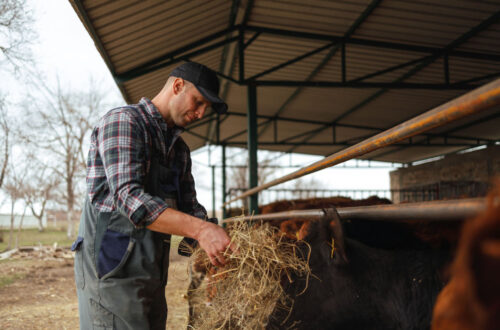
- Avoid feeding hay directly on wet ground—use feeders or move feeding areas often.
- Rotate sacrifice areas each winter to allow recovery.
- Monitor soil conditions—if it’s thawed and soft, keep animals off.
A little prevention now saves reseeding costs later.
Water: The Forgotten Challenge
When everything else is frozen, water becomes the hardest nutrient to manage. Insulated troughs, frost-free hydrants, and tank heaters all help keep water accessible. Remember that cattle may drink less often but in larger volumes during winter, so ensure enough capacity and flow.
For remote pastures, solar-powered pumps or gravity-fed systems can reduce dependence on electricity and make your winter chores far easier.
Planning for Next Year
Every winter offers lessons for the next grazing season. Keep records of:
- How long pastures lasted before running out of forage
- Where animals caused compaction or erosion
- How supplement costs compared to expectations
These insights make next year’s grazing plan more efficient and resilient. A ranch that learns from each freeze is one that grows stronger every spring.
Conclusion
Managing grazing when the grass stops growing is a balancing act between conserving resources and keeping animals healthy. It’s about understanding the rhythms of your land and working with winter, not against it.
By combining smart rotation, strategic supplementation, and careful soil protection, ranchers can turn frozen pastures into a foundation for next year’s growth. Because even when the ground is hard and the fields are still, your management choices are planting the seeds for the next green season.


You May Also Like
Best Boots for Spring Turkey Hunting: Waterproof Footwear for Rain, Wet Grass, Mud, and Run-and-Gun Hunts
Winter Green Boosters: Using Cold Frames to Extend Your Growing Season