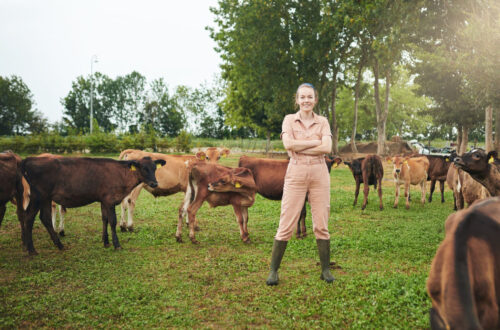
Pasture Prep: Rotational Grazing and Soil Care Before Snow
As the days shorten and temperatures drop, ranchers and livestock managers face a crucial period: preparing pastures for winter. Proper late-fall management not only protects soil health and forage for the coming season but also ensures livestock enter winter in strong condition. Two key practices—rotational grazing and soil care—can make the difference between a productive spring and a struggling pasture.
This article provides a detailed guide on how to optimize grazing, protect soil, and prepare pastures before the first snowfall.
1. Understanding Late-Fall Pasture Challenges
Before winter, pastures experience several stress factors:
- Declining Grass Growth: Shorter daylight and colder temperatures slow photosynthesis, reducing forage availability.
- Soil Compaction: Wet or frosty ground is more susceptible to damage from livestock trampling.
- Nutrient Depletion: Continuous grazing without replenishment leaves soil low in essential nutrients.
- Exposure to Winter Stress: Bare patches or overgrazed areas are more vulnerable to erosion, frost heave, and weed invasion.
Addressing these challenges requires careful planning and active pasture management.
2. Rotational Grazing: Timing and Strategy
Rotational grazing helps maximize forage use while protecting pasture health:
- Divide Pastures into Paddocks: Smaller sections allow controlled grazing, giving grass time to recover between rotations.
- Monitor Forage Height: Move livestock before grass falls below 3–4 inches to prevent overgrazing.
- Adjust Stocking Rates: Reduce herd density in paddocks nearing frost or heavy rainfall.
- Rest Periods: Allow paddocks to rest for several weeks, giving roots a chance to store energy for winter survival.
Late-fall rotations should focus on leaving enough standing forage to act as snow cover and protect soil from erosion.
3. Soil Care Before Snow
Healthy soil ensures productive pastures come spring. Key late-fall practices include:
- Aeration and Compaction Relief: Use pasture aerators or spike harrows on heavily trafficked areas to improve water infiltration and root oxygenation.
- Fertilization: Apply slow-release fertilizers, lime, or manure to replenish nutrients and buffer soil pH.
- Soil Testing: Conduct tests to identify deficiencies and tailor amendments for maximum winter and spring growth.
- Erosion Control: Maintain vegetative cover and consider planting cover crops on bare or thin paddocks to prevent runoff.
Good soil management supports root development and maintains forage quality even through frost and snow.
4. Supplemental Feeding Strategies
Rotational grazing and soil care work best when combined with strategic feed management:
- Provide Hay or Silage: When pasture is limited, offer feed in controlled areas to avoid overgrazing.
- Use Sacrificial Paddocks: Allocate specific sections for winter feeding to protect more productive areas.
- Monitor Animal Condition: Ensure livestock maintain body condition scores above winter minimums by supplementing as needed.
These steps reduce pasture damage while keeping livestock healthy during the late-fall transition.
5. Planning for Snow and Frost
Snow and frost introduce additional considerations for pasture management:
- Protect Root Systems: Leaving residual grass 3–5 inches tall creates insulation against freezing temperatures.
- Stockpile Fodder: Move hay or silage to central feeding areas to minimize trampling and mud during thaw cycles.
- Monitor Water Access: Ensure livestock can reach water in paddocks even when frozen or snow-covered.
Preparing pastures before snow ensures minimal disruption to soil and forage.
6. Benefits of Pre-Winter Pasture Prep
- Improved Spring Growth: Rested and fertilized paddocks green up faster in spring.
- Reduced Soil Erosion: Maintaining vegetative cover and soil health protects against winter runoff.
- Livestock Health: Rotational grazing prevents overgrazing, maintains forage quality, and reduces disease risk from mud and trampling.
- Operational Efficiency: Organized pasture management reduces winter labor and emergency feed needs.
7. Key Takeaways
- Rotate livestock strategically to prevent overgrazing and maintain root strength.
- Focus on soil care: aeration, fertilization, erosion control, and cover crops.
- Supplement feed in sacrificial areas to protect main pastures.
- Leave residual grass for insulation and snow retention.
- Plan water access and feeding zones for minimal stress during freeze periods.
Final Thoughts
“Pasture Prep” before snow is more than a seasonal chore—it’s an investment in soil health, forage quality, and livestock performance. By combining rotational grazing, soil care, and thoughtful feeding strategies, ranchers set the stage for a strong, productive spring and minimize the challenges of winter management.
The late-fall window is short, but careful attention now pays dividends for both pasture and herd health.


You May Also Like

Extending Your Garden: Cool-Season Crops That Thrive in Late Fall
Best Boots for Cemetery Groundskeeping and Graveyard Maintenance