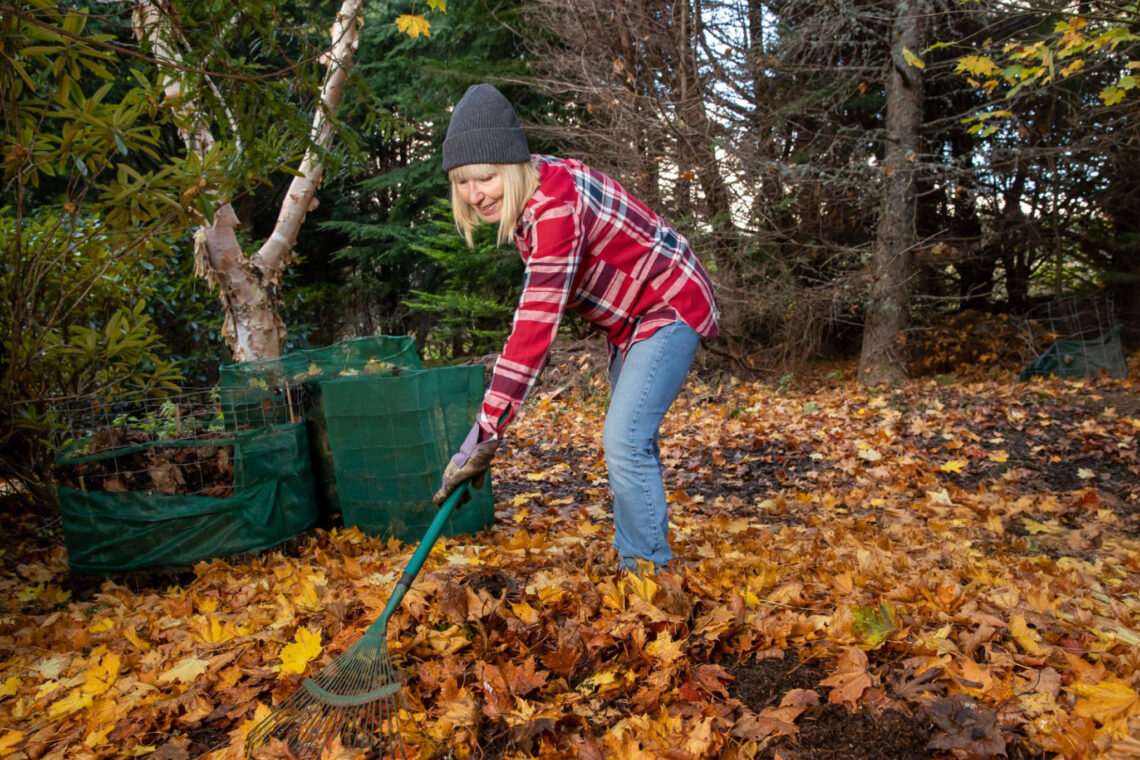
December Composting: Keeping Your Pile Alive in Cold Weather
When December settles in with frosty mornings and short daylight hours, many gardeners assume the compost pile goes dormant until spring. But winter composting doesn’t have to slow to a halt. With the right setup and a few strategic adjustments, you can keep your pile biologically active—even when the thermometer drops. December is actually the perfect month to fortify your compost system, build heat, and set the stage for nutrient-rich material you’ll rely on when planting season rolls around again.
This guide breaks down how to keep your compost alive through the cold months, what materials perform best in winter, and how to avoid the common mistakes new composters make when the weather turns.
Why Composting Slows in Winter—but Doesn’t Have to Stop
Composting depends on microbial activity. Those microbes thrive in warmth, moisture, and oxygen. In December, all three become limited:
- Cold air reduces microbial metabolism
- Rain or snow increases moisture fluctuations
- Frozen crusts limit airflow inside the pile
But when you maintain a large enough mass, add the right carbon-to-nitrogen balance, and shield the pile from extreme weather swings, your compost can stay warm inside—even steaming on a cold day.
Build the “Winter Pile”: Bigger Is Better
Small piles cool too quickly, but a winter compost pile acts like a thermal battery. Aim for:
- At least 3x3x3 feet (1 cubic yard) of material
- Dense layering to trap heat
- An insulated outer crust of high-carbon materials
How to Build a Heat-Holding Core
Layer materials like this:
- Bottom Layer (Airflow Base): Sticks, coarse mulch, or old straw to elevate the pile
- Hot Layer (Nitrogen): Kitchen scraps, manure, grass clippings
- Carbon Blanket: Dry leaves, shredded cardboard, small wood chips
- Moisture Check: Squeeze handfuls—aim for the feel of a damp sponge
- Repeat Layers: Build upward in alternating brown/green layers
- Final Insulating Cap: 4–6 inches of leaves or straw
This structure traps heat while retaining airflow to prevent anaerobic pockets.
Top Winter Brown Materials
Carbon-rich materials are your winter composting lifeline. In December, greens are limited—so browns keep the pile balanced and aerated.
- Fallen leaves
- Straw
- Wood shavings
- Shredded cardboard or paper
- Corn stalks
- Pine needles (in moderation)
Pro tip: If you collected bags of autumn leaves, December is when they shine.
What Nitrogen Sources Still Work in December
You may not have fresh lawn clippings, but there are still excellent “greens” available:
- Fruit and vegetable scraps
- Coffee grounds
- Animal bedding with manure (chicken, rabbit, horse, cow)
- Brewery grains (if you’re near a craft brewery)
- Seaweed (if you live near the coast—rinse to remove salt)
Add nitrogen in thin layers—too much can create soggy cold pockets that kill microbial heat.
Keep Moisture Balanced: The Silent Winter Killer
Winter compost piles often get too wet, not too dry. Snow, freezing rain, and rapid thaws can waterlog the pile.
How to Control Moisture
- Cover the top with a tarp or plywood sheet
- Add extra dry leaves or cardboard after heavy precipitation
- Build your pile on slightly elevated ground to improve drainage
- Turn only when temperatures are above freezing to avoid cooling the core
If the pile feels like a wrung-out sponge, it’s too wet; add browns.
Aerate Without Losing Heat
Frequent turning in winter releases precious heat, so your strategy shifts.
Turn Your Pile Only When:
- It smells sour
- The core temperature drops significantly
- You see large ice pockets forming
- The pile becomes compacted and soggy
How to Aerate Smartly
- Use a pitchfork to create vertical “chimneys”
- Insert a compost aerator tool
- Turn only the outer third, leaving the hot core untouched
This keeps oxygen flowing without sacrificing heat.
Insulate Like a Barn in Winter
Just like livestock, your compost pile appreciates insulation. A well-insulated pile can stay 50–120°F inside while snow covers the top.
Ways to Insulate Your Pile in December:
- Surround it with hay bales
- Use a tarp and heavy leaf layer
- Build a wooden or pallet enclosure
- Add thick straw mats around the exterior
- Place the pile near a south-facing wall to capture sunlight
If you’re composting in the open, insulation becomes even more important.
Composting in Bins or Tumblers in Winter
Tumblers can work in winter, but they lose heat faster because of their limited mass.
To Keep a Tumbler Warm:
- Wrap it in foam insulation
- Add fresh kitchen scraps more frequently
- Top off with shredded leaves every few days
- Avoid turning during extreme cold snaps
For permanent composters, December is a good month to switch from tumblers to a grounded pile until spring.
Don’t Forget the Microbes: Keeping Them Alive
Think of your microbes like livestock—they need protection.
Ways to Keep Microbial Life Active:
- Add a thin layer of old compost or soil to each new deposit
- Avoid dumping frozen scraps directly into the center
- Maintain a consistent feeding schedule
- Keep the pile moist but not soggy
- Do not let the pile flatten—shape encourages heat retention
Microbial heat is what keeps the pile “alive” all winter long.
December To-Do Checklist for Winter Composting
- Add a thick carbon cap
- Check for waterlogging
- Build or reinforce insulation
- Add nitrogen slowly and evenly
- Turn only when necessary
- Keep a tarp secured over the top
- Store a reserve pile of leaves nearby
- Monitor internal temperature with a compost thermometer
If you keep up this routine, your compost will stay active all winter, producing dark, rich material by early spring.
Final Thoughts: Your Winter Compost Is Still Working—Even When You Don’t See It
December might feel like the month when gardening winds down, but your compost pile remains one of the most productive areas of your homestead. With the right attention, you can turn winter into a powerful season of decomposition. By spring, you’ll have a nutrient-packed foundation ready for garden beds, trees, lawn repair, and seedlings.
In cold weather, composting isn’t about speed—it’s about consistency and smart management. Keep your pile warm, balanced, and protected, and it will quietly work all season long.


You May Also Like

Dormant Pruning Done Right: Boosting Growth Before Spring Wakes Your Trees

Spring Thaw Isn’t Uniform: Why One Pasture Recovers Faster Than Another
