The Joy of Home Gardening: Growing Your Own Sanctuary
There is a quiet pleasure in creating a garden, a personal sanctuary where the chaos of the world outside can be momentarily forgotten. Home gardening offers more than just a way to beautify your space—it becomes an act of self-expression, a refuge for the soul, and a way to reconnect with nature. Whether you live in a city apartment with a small balcony or a house with a sprawling backyard, there is a garden waiting to be nurtured, each unique in its possibilities.
The Design Process: Your Personal Eden
The first step in creating a home garden is to envision it. What do you want your garden to be? A peaceful retreat, a space to entertain, or a vibrant patch that provides fresh food? The design of your garden should reflect your desires and the lifestyle you lead.
Start by assessing your available space—how much sunlight does your garden receive, and which areas are shaded during the day? Understanding these nuances is key to choosing the right plants. For example, sunny spaces are perfect for vegetables like tomatoes, peppers, and squash, while shady corners may be better suited for hostas, ferns, and other shade-loving plants.
Consider the layout of your garden carefully. Creating pathways can help divide your garden into sections, each with its own character. Raised garden beds not only add visual interest but also allow for better drainage and easier maintenance. For small spaces, container gardening is a wonderful solution, allowing you to grow plants in pots or hanging baskets, giving you flexibility in design.
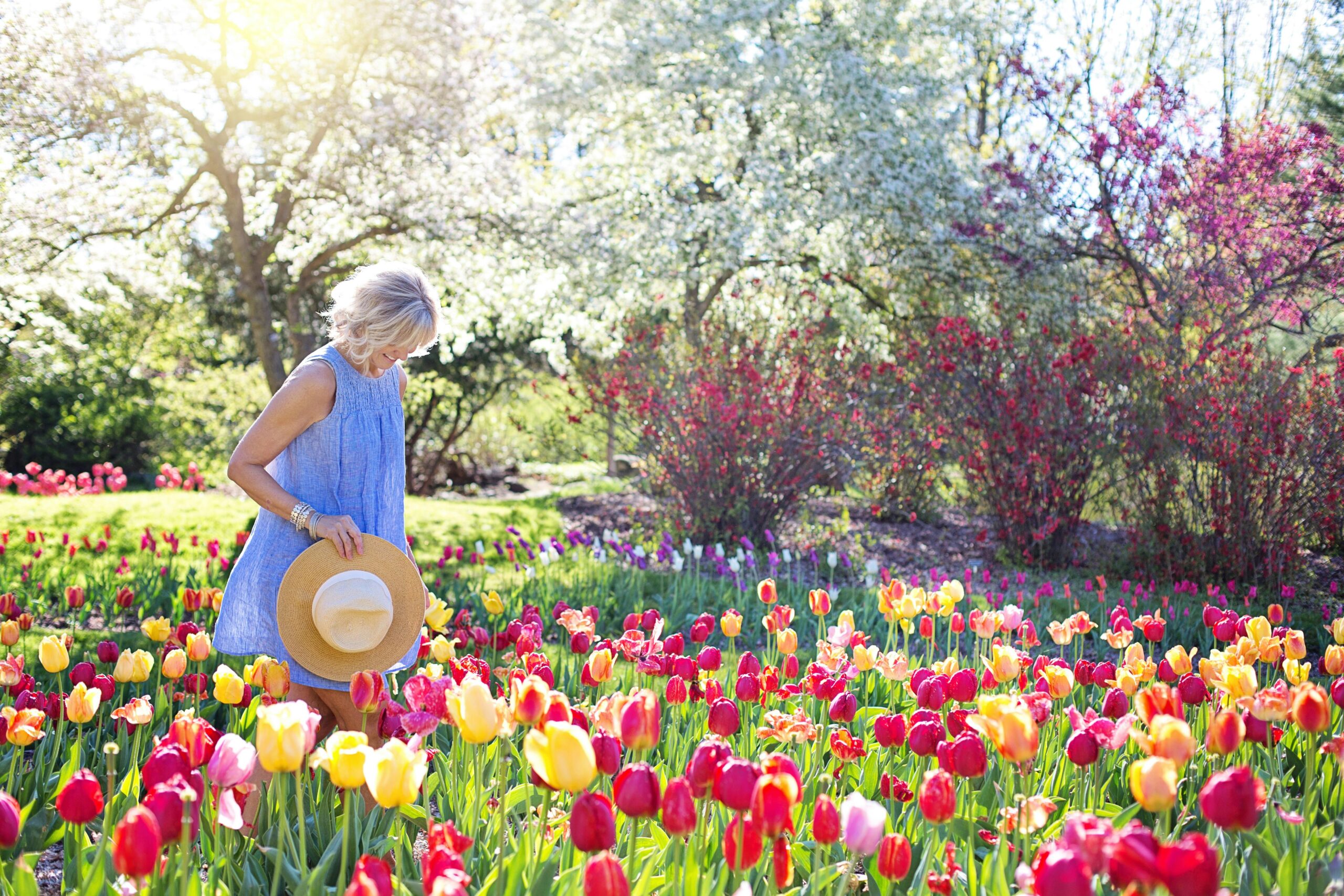
Think about texture and color as well. A garden with varying leaf textures—smooth, spiky, broad, or delicate—adds richness to the landscape. Pairing plants with different blooming schedules ensures that there’s always something in flower. For example, early spring crocuses can give way to summer peonies, while late-blooming asters can provide color well into the fall.
The Beauty of Edible Gardening: From Seed to Plate
One of the most rewarding aspects of home gardening is the ability to grow your own food. The fresh, fragrant tomatoes plucked directly from the vine or the crisp lettuce leaves harvested from your garden are far superior to anything found in the store. Edible gardening has become increasingly popular, and for good reason—there’s no greater satisfaction than preparing a meal with ingredients that you’ve grown yourself.
Start with simple crops that are easy to grow and don’t require much space. Leafy greens like spinach, arugula, and kale thrive in small containers, making them perfect for urban gardeners. Herbs such as basil, thyme, and mint can be grown in pots on windowsills or patios, providing fresh flavor for your meals. For those with larger gardens, tomatoes, peppers, and cucumbers are staple crops that often yield abundant harvests.
To ensure success, consider companion planting—some plants work better together. Marigolds, for example, can be planted alongside tomatoes to help deter pests. Likewise, basil and tomatoes make a great pairing not only in the kitchen but in the garden, as basil’s aromatic leaves act as a natural pest repellent.
Caring for Your Garden: Routine and Reflection
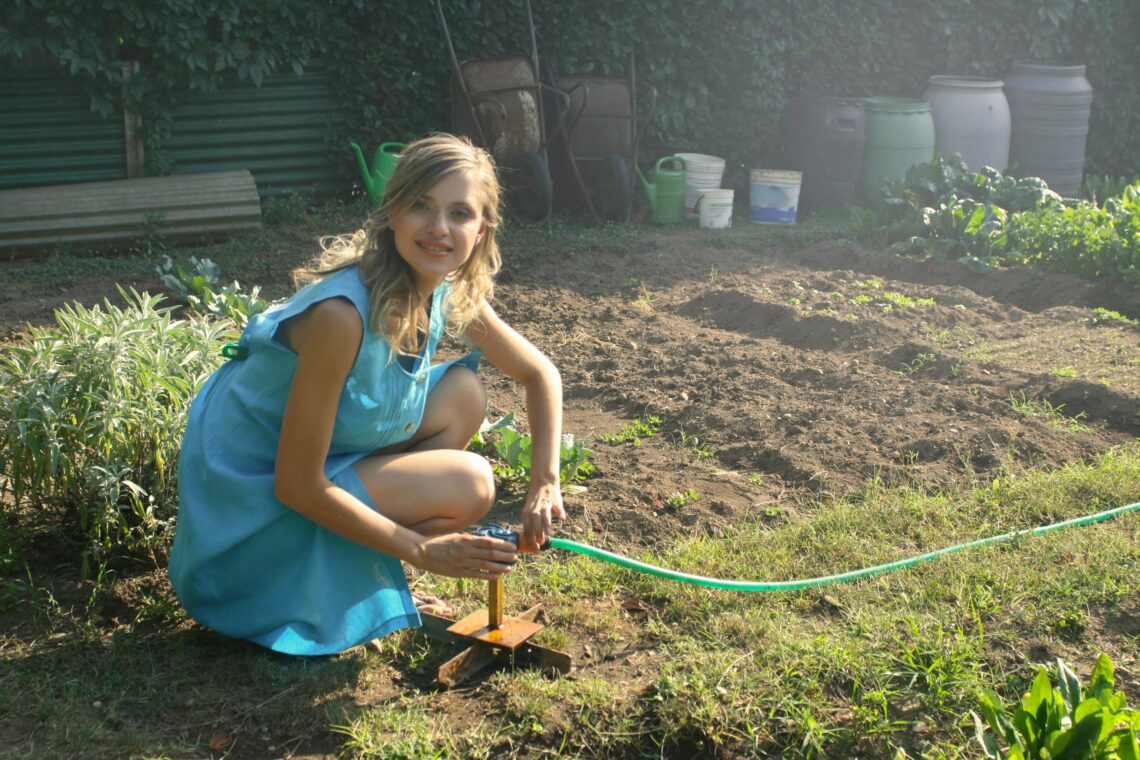
Once your garden is planted, the real work begins—nurturing it with care and attention. Watering regularly, checking for pests, and keeping weeds at bay will help your garden thrive. But there’s more to gardening than the tasks at hand. Gardening encourages mindfulness, offering a chance to slow down, reflect, and reconnect with nature.
As you spend time in your garden, take note of how plants grow, how they respond to changes in weather, and how they interact with each other. Observe the insects and animals that visit your space—the butterflies fluttering around your lavender, or the bees buzzing around your zucchini flowers. Gardening is a dynamic, ever-changing process, and with every season, it teaches us new lessons.
The Harvest: Reaping What You Sow
When it’s time to harvest, there’s a great sense of fulfillment. Whether it’s a bowl of plump strawberries or a fresh bouquet of flowers, the rewards of home gardening are tangible. Take a moment to appreciate the growth you’ve fostered and the life you’ve nurtured.
But gardening doesn’t stop at harvest. It’s a cycle that repeats, offering new challenges and