The Art of Garden Cultivation: Nurturing Nature’s Bounty
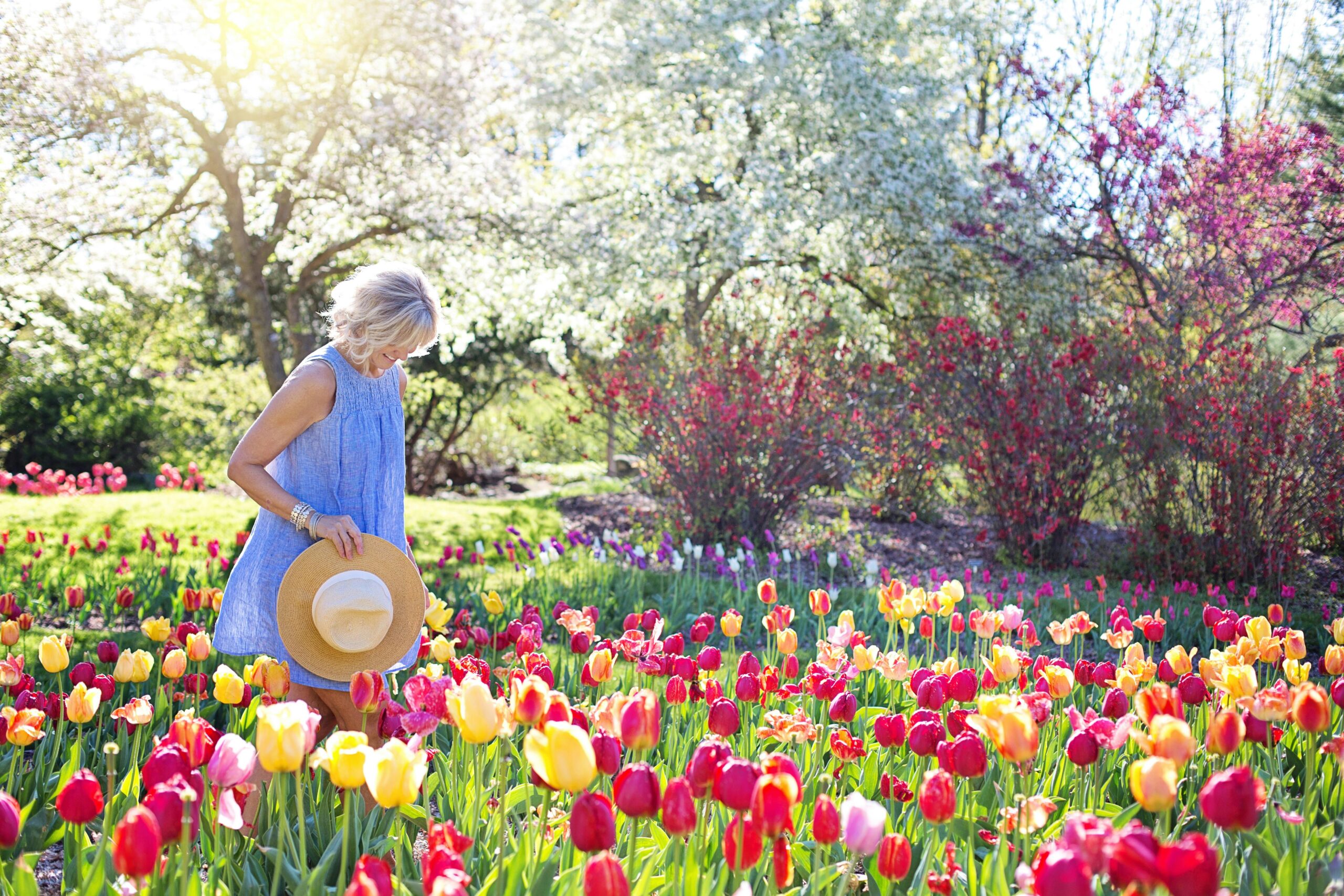
There is something deeply satisfying about cultivating a garden—a space where seeds are transformed into vibrant, life-giving plants. Garden cultivation is not just an activity; it’s an art form, a practice that connects us to the earth in a way few other pursuits can. Whether you’re planting a humble vegetable patch or creating an expansive flower garden, gardening invites us to participate in the cycles of nature, offering a profound sense of accomplishment and harmony with the natural world.
The Groundwork: Preparing for Success
Every successful garden begins with the ground beneath our feet. Preparing the soil is the first and most crucial step in creating a thriving garden. Soil is the foundation of life in the garden, and understanding its unique qualities is essential for nurturing plants to their fullest potential.
Amend the soil by incorporating organic matter such as compost, manure, or mulch. This improves soil texture, encourages beneficial microorganisms, and helps retain moisture. If your garden’s soil is heavy clay or sandy, adding organic matter can balance its structure, making it more hospitable to plants. Before planting, it’s also important to test the soil’s pH. Different plants thrive in different pH levels, so adjusting the soil to meet the needs of your chosen plants will set them up for success.
The preparation phase is not just about physical labor; it’s about cultivating mindfulness. In turning the soil, we connect with the earth’s pulse. We notice the little insects busy at work, the worms breaking down organic matter, the way sunlight warms the soil as the day progresses. Gardening is a reminder that we are part of an ongoing natural cycle, a cycle that asks for our care and attention.
Choosing the Right Plants: Tailoring to Your Space
Once your garden’s foundation is ready, it’s time to choose the plants that will thrive in your unique environment. Selecting plants that are suited to your climate, soil, and sunlight conditions is vital for long-term success. Consider your region’s hardiness zone and opt for varieties that are adapted to the local weather patterns. Perennials, such as lavender or coneflower, are excellent choices for garden beds that can return year after year, while annuals like marigolds or zinnias bring a burst of color and variety.
The garden should reflect your tastes and your lifestyle. For those who appreciate fresh produce, vegetable gardening is a rewarding endeavor. Tomatoes, peppers, and lettuce are some of the easiest and most satisfying crops to grow. Herbs like basil, rosemary, and thyme not only enhance your meals but can also serve as aromatic companions to your flowers and vegetables.
In addition to practicality, consider aesthetics when choosing your plants. Layer different textures and colors to create a visually engaging space. The interplay of foliage and blooms throughout the seasons will provide endless beauty. Mixing heights—tall sunflowers, mid-height dahlias, and ground-covering thyme—adds dimension and richness to your garden.
The Heart of Gardening: Daily Care and Observation
A garden is a living entity, and like any living thing, it needs daily care and attention. Watering is one of the most important tasks, and it should be done thoughtfully. Early morning is the best time to water, as this allows moisture to reach the roots before the heat of the day. Avoid wetting the leaves, as this can lead to fungal diseases. Instead, focus on the root zone to ensure that water reaches the soil where it’s needed most.
Gardeners also need to be vigilant for pests and diseases. Regular inspection of plants will help you catch any problems early. If pests like aphids or caterpillars appear, consider using natural remedies like neem oil or introducing beneficial insects like ladybugs. Companion planting is another strategy—marigolds, for example, can help deter harmful nematodes and pests while attracting pollinators like bees.
Weeding is another essential aspect of maintaining a healthy garden. Weeds compete with your plants for water, nutrients, and sunlight. Regularly pulling weeds by hand or using an organic weed barrier will prevent them from taking over your garden beds.
But gardening is not just about the work. It’s about the moments of quiet observation. As plants grow, you’ll notice the small details—the way the leaves unfurl, the first signs of budding flowers, or the dance of bees around your blossoms. Gardening teaches patience, for the fruits of your labor take time to manifest. Yet, when they do, it’s nothing short of magical—a garden that flourishes, rewards you, and offers its beauty freely.
Harvesting and Beyond: The Fruits of Your Labor
The joy of gardening culminates in the harvest. Whether it’s the first ripe tomato, a bouquet of fresh-cut flowers, or a basket of leafy greens, the harvest is a reminder that care, patience, and dedication yield rewards. When harvesting, take time to appreciate the process that brought each plant to maturity—from seed to sprout to full-grown beauty. It’s a moment to reflect on the time and energy invested in the garden, and how nature has responded in kind.
Harvesting isn’t the end of the journey, either. After the harvest, gardeners often begin planning for the next season—preparing soil, planning crop rotations, and even starting seeds indoors for the months ahead. Gardening is cyclical, and each season presents new opportunities for growth and learning.
Through garden cultivation, we forge a deeper bond with the land, with the seasons, and with ourselves. The garden, in all its simplicity and complexity, becomes a mirror of the care and intention we bring to it. It’s a place where life unfolds—slowly, deliberately, and with beauty.

