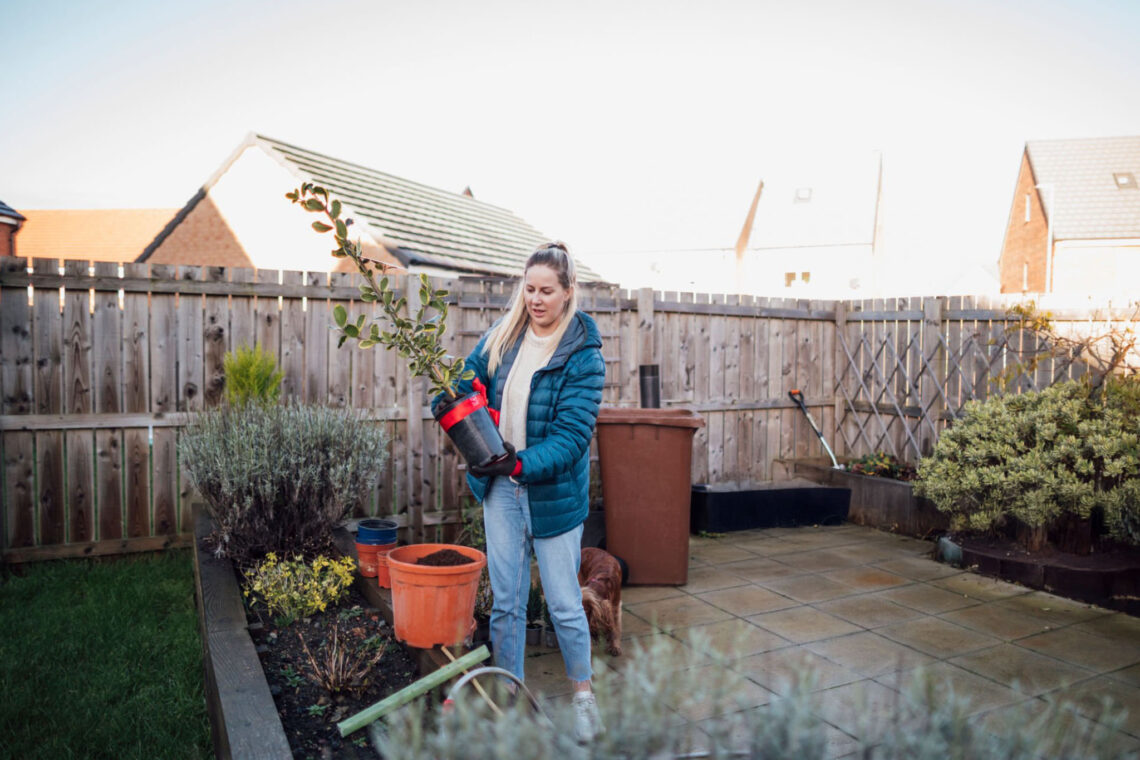
The Backyard Microclimate Hack That Turns Weak Gardens Into Powerhouses
Most gardeners blame poor soil, a lack of fertilizer, or the wrong seeds when their garden underperforms. But experienced growers—the ones who always seem to produce bigger tomatoes, richer greens, and unstoppable yields—know the truth:
Microclimates make or break a backyard garden.
A single yard can contain five, ten, even fifteen microclimates, each with its own temperature, wind pattern, moisture level, and sunlight intensity. Tapping into these hidden zones is the fastest, most reliable way to transform a struggling garden into a high-output powerhouse.
This guide breaks down what microclimates are, how to find them, and the simple hack that turns them into a garden-boosting advantage.
What Exactly Is a Backyard Microclimate?
A microclimate is a small pocket of climate conditions that differs from the surrounding area—sometimes by a lot.
Examples include:
- A warm corner next to a south-facing wall
- A cool, moist patch of soil shaded by a tree
- A wind-protected zone behind a fence
- A frost pocket where cold air settles at night
These variations can mean a 10–20°F difference, shifts in humidity, or completely different wind exposure—all within just a few feet.
For plants, those differences change everything.
The Garden-Boosting Hack: Match Plants to Microclimates, Not Zones
Most gardeners plant based on USDA Hardiness Zones, but that’s a macro view. The real secret is to place each crop based on its ideal microclimate, not the yard’s average conditions.
This single shift—microclimate-based planting—is the hack that levels up your garden instantly.
Here’s how to apply it.
Step 1: Map Your Yard Like a Pro Grower
Walk your property and look for zones that differ in temp, wind, and moisture.
Focus on these five microclimate variables:
1. Heat
- South-facing walls absorb sun and radiate warmth at night.
- Stone patios and brick driveways create heat islands.
- Dark fencing traps warmth.
Great for: tomatoes, peppers, eggplant, melons.
2. Shade
- Beneath tree canopies
- East-facing spots that only get morning sun
- Behind structures that block harsh afternoon rays
Great for: lettuces, spinach, kale, herbs, berries.
3. Wind
- Corners where wind funnels
- Areas behind sheds, fences, or shrubs where air calms
- Natural windbreaks created by terrain or buildings
Wind-sensitive crops—like beans or peas—thrive in sheltered pockets.
4. Moisture
- Low spots that trap water
- Near gutters or roof runoff
- Areas shaded most of the day
- Damp corners with limited evaporation
Perfect for: cucumbers, squash, potatoes, and moisture-loving flowers.
5. Cold Air Drainage
Cold air slides downhill and settles in dips, forming frost pockets.
Avoid planting warm-season crops here.
Step 2: Assign Each Microclimate to the Perfect Crop
Once you’ve identified the warmest, coolest, wettest, and driest zones, pair each one with plants that thrive there.
Use Warm Microclimates For:
- Tomatoes
- Peppers
- Basil
- Watermelons
- Okra
These areas can extend your growing season by several weeks.
Use Cool, Shaded Microclimates For:
- Leafy greens
- Broccoli
- Cilantro
- Blueberries
- Cool-season flowers
These zones prevent bolting and sun scorch.
Use Moist Microclimates For:
- Cucumbers
- Pumpkins
- Rhubarb
- Asparagus
They’ll tap into the naturally higher soil moisture.
Use Wind-Protected Zones For:
- Pole beans
- Peas
- Tall flowers
- Young fruit trees
Less damage = stronger, faster growth.
Step 3: Modify Microclimates to Fit Your Vision
Here’s where the real power move happens:
You can create your own microclimates.
A few easy examples:
Build Warm Microclimates
- Add dark mulch to absorb heat.
- Place stone or brick behind heat-loving plants.
- Line beds with black grow fabric for spring warmth.
Create Cool Microclimates
- Install shade cloth.
- Plant strategically near taller crops.
- Use reflective mulch to reduce soil temperatures.
Add Wind Protection
- Fence panels
- Shrub borders
- Trellises used as windbreaks
Even a temporary barrier works wonders.
Manage Moisture
- Add swales to direct water
- Install drip irrigation where moisture is low
- Use compost to improve retention
The goal is to balance moisture—not drown or dry out plants.
Step 4: Track Seasonal Changes
Microclimates shift with the seasons.
A spot that’s cool in spring may become blazing hot in July.
An area flooded in April might be perfect in August.
Smart gardeners revisit their microclimate map throughout the year to keep optimizing.
What This Hack Really Does for Your Garden
When you match each plant to its ideal microclimate, you get:
✔ Faster growth
✔ Bigger harvests
✔ Lower stress (for you and the plants)
✔ Fewer disease issues
✔ More efficient water use
✔ Less work overall
You’re no longer fighting your yard… you’re using its hidden strengths.
This is how average yards become high-output food gardens.
Final Takeaway
Every backyard has hidden power—warm pockets, cool oases, wind shelters, heat traps, moisture zones, and frost pockets. Most gardeners ignore them.
But the gardeners who consistently grow huge yields, season after season?
They don’t fight their environment.
They read it, map it, and use it.
Mastering microclimates is the hack that elevates a weak garden into a thriving, resilient powerhouse.
If you want, I can also help you create:


You May Also Like
Managing Muddy Winter Pastures Without Ruining Your Grass

Best Boots for Blueberry Farm Work: Waterproof Footwear for Berry Fields, Harvesting, Mud, and Long Farm Days