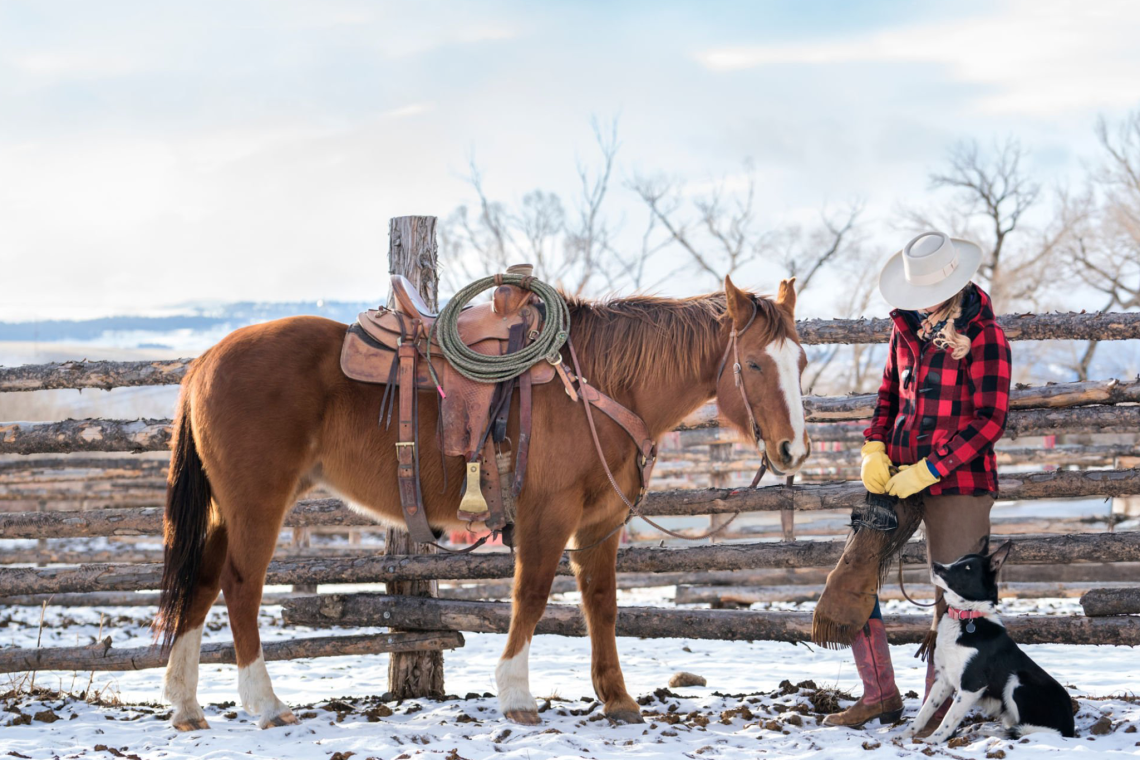
How to Rotate Hay Efficiently During the Deep Freeze
When winter locks the ground solid and temperatures refuse to lift, hay rotation stops being a routine task and becomes a management decision with real consequences. During deep-freeze conditions, how—and where—you move hay affects animal health, labor efficiency, ground condition, and even how well your operation transitions into spring.
Efficient hay rotation in extreme cold isn’t about feeding faster. It’s about feeding smarter.
Why Deep Freeze Conditions Change the Rules of Hay Rotation
Cold doesn’t just slow cattle—it changes how energy, movement, and waste interact across a winter pasture or lot.
During extended freezes:
- Cattle burn more calories just staying warm
- Ground impact becomes concentrated rather than spread out
- Feeding mistakes linger longer because recovery is delayed
Rotating hay efficiently under these conditions requires planning beyond the next feeding.
Think in Zones, Not Feeding Spots
One of the most common winter inefficiencies is treating each hay drop as an isolated event.
Zone-Based Feeding Reduces Wear and Tear
Instead of placing hay wherever access is easiest that day, divide winter feeding areas into intentional zones:
- Primary feeding zones
- Secondary rotation zones
- Recovery or rest zones
By rotating between zones—even when the ground is frozen—you prevent cattle from packing the same surface repeatedly. This approach protects footing, reduces manure buildup, and lowers stress on animals.
Frozen Ground Is Not Invincible
A common misconception is that frozen ground can handle unlimited pressure. In reality, repeated feeding in one location:
- Compresses soil beneath the frost layer
- Creates ice-polished surfaces
- Sets up spring mud problems
Efficient hay rotation spreads pressure before damage becomes visible.
Use Cattle Behavior to Your Advantage
During deep cold, cattle movement becomes highly predictable. They choose the path of least resistance every time.
Short Moves Beat Big Relocations
Instead of dramatic feeding location changes:
- Shift hay placements gradually
- Rotate in small arcs or linear progressions
- Avoid forcing cattle across slick or uneven ground
This reduces energy loss and limits injuries, while still preventing traffic concentration.
Let Wind and Sun Do Some of the Work
In extreme cold, cattle naturally seek:
- Windbreaks
- South-facing slopes
- Sun-exposed areas
Rotating hay within these preferred zones keeps cattle comfortable while preventing excessive congregation in a single spot.
Match Hay Rotation Speed to Intake, Not the Calendar
Deep freeze feeding fails when rotation timing is based on habit instead of consumption.
Overfeeding Slows Rotation Efficiency
Excess hay:
- Increases waste
- Encourages bedding instead of movement
- Creates frozen manure mats
Efficient rotation means placing only what cattle can clean up before the next move.
Underfeeding Creates Traffic Damage
If cattle exhaust feed too early, they pace. Pacing during deep freeze:
- Polishes ice
- Breaks down frozen surfaces
- Concentrates hoof pressure
Matching hay quantity to intake stabilizes both cattle behavior and ground conditions.
Equipment Efficiency Matters More Than Speed
Cold magnifies small inefficiencies.
- Longer drive paths increase fuel use
- Poor access points slow feeding
- Frozen hydraulics punish rushed handling
Efficient rotation means setting up:
- Straightforward access routes
- Repeatable feeding patterns
- Minimal backing and repositioning
The less time equipment spends fighting conditions, the more consistent your rotation becomes.
Manure Distribution Is a Hidden Efficiency Metric
Where manure accumulates during deep freeze often predicts spring trouble spots.
Efficient hay rotation:
- Spreads manure evenly
- Prevents nutrient overload in single areas
- Reduces cleanup or repair later
If manure piles are stacking, rotation is already behind.
Adjust Rotation Strategy After Prolonged Cold Snaps
After multiple weeks of subzero temperatures, cattle behavior shifts again.
You may notice:
- Slower approach to fresh hay
- Longer resting periods
- Reduced movement between feedings
At this stage, efficiency means reducing unnecessary movement, not forcing rotation speed. Smaller adjustments maintain ground integrity without stressing animals.
Preparing for the Thaw Starts Now
The best winter hay rotation plans anticipate thaw conditions before they arrive.
Ask yourself in January:
- Where will meltwater pool?
- Which feeding zones will turn muddy first?
- Which areas need rest before spring turnout?
Efficient deep-freeze rotation minimizes spring damage by distributing impact early.
Final Thoughts
Rotating hay efficiently during the deep freeze isn’t about perfection—it’s about awareness. Every hay placement influences cattle movement, ground pressure, and recovery timelines. Small decisions made in the coldest weeks often determine how smoothly an operation transitions into spring.
When winter is at its harshest, efficiency isn’t measured in speed or volume. It’s measured in how little you have to fix later.


You May Also Like
Early April Planting Secrets That Maximize Spring Growth

Microclimate Gardening: Using Shade and Heat Zones to Your Advantage