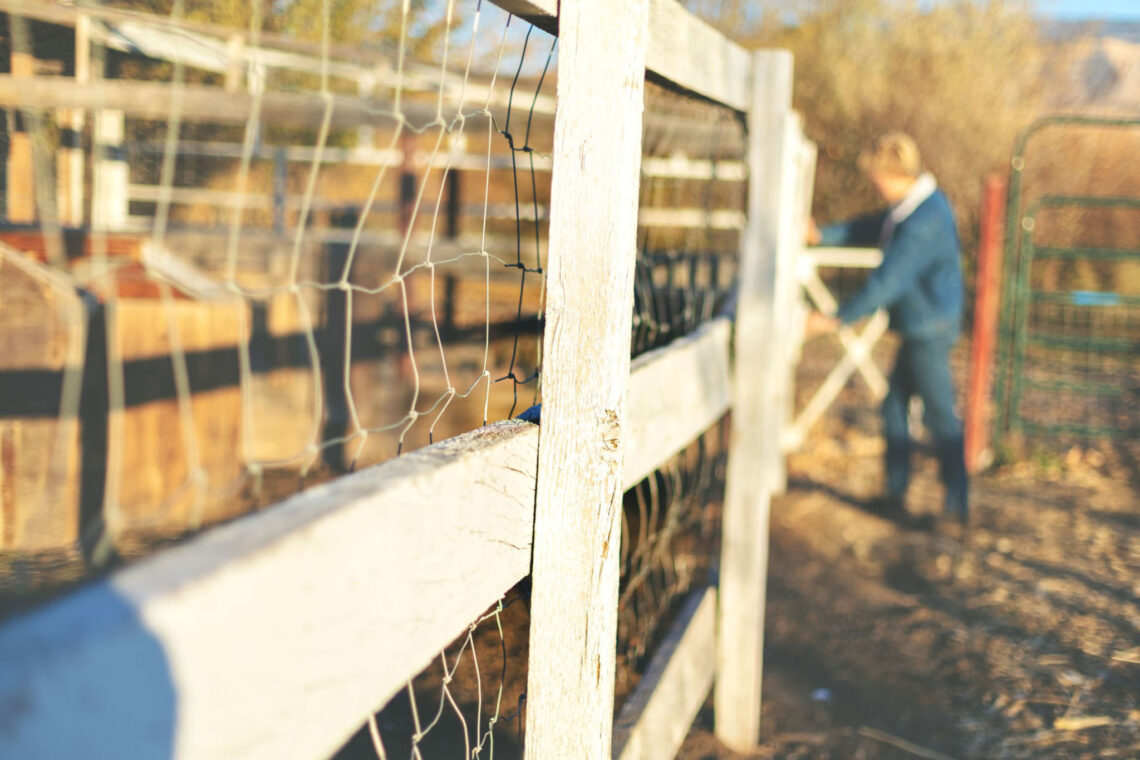
Early Spring Fence Prep: Lessons From Deep Winter Wear and Tear
By the time snow starts melting and daylight stretches longer, most fence damage has already happened. Deep winter doesn’t break fences all at once—it wears them down slowly, stressing posts, wire, and braces in ways that often go unnoticed until livestock test the weak spots.
Early spring is the best—and sometimes only—window to address that damage before grazing pressure increases. Understanding how winter affects fencing helps ranchers fix the right problems, not just the obvious ones.
1. Winter Doesn’t Break Fences—It Loosens Them
Unlike storms or falling trees, winter causes incremental damage:
- Repeated freeze–thaw cycles slowly push posts upward
- Frost heave loosens corner braces without snapping them
- Ice loads stretch wire just enough to lose tension
By spring, fences may still be standing—but they’re no longer working as designed.
2. Snow Load Hides Structural Weakness
Heavy snow masks problems until it’s gone.
Common hidden issues include:
- Wire sagging under snow weight, then staying loose after melt
- Staples pulled slightly out of posts
- Insulators cracked by ice expansion
Once snow disappears, cattle pressure quickly exposes these weaknesses.
3. Frost Heave and Post Movement
Frost heave is one of the most underestimated winter effects on fencing.
As soil freezes and thaws:
- Posts shift vertically, breaking tension alignment
- Brace angles change, reducing strength
- Ground around posts becomes soft and unstable
Posts that appear solid may fail once cattle lean or rub during early turnout.
4. Wildlife Pressure Increases Winter Damage
Deep winter forces wildlife into tighter travel corridors, often along fence lines.
This leads to:
- Deer and elk crossing repeatedly at the same low points
- Wire stretched or bent without breaking
- Bottom wires pushed closer to ground level
Early spring is when these crossings should be corrected—before livestock find them.
5. Gates and High-Traffic Zones Take the Worst Hit
Winter concentrates movement.
Areas to inspect first:
- Gates used for feeding access
- Corners near water or windbreaks
- Fence lines along drifted snow paths
These spots endure constant pressure while frozen and are the first to fail under spring use.
6. Electric Fences Need Special Attention
Electric fencing often suffers quietly during winter.
Problems include:
- Ground rods losing contact in frozen soil
- Insulators cracked by cold temperatures
- Vegetation collapse shorting lines during snowmelt
Testing voltage early prevents false confidence when cattle are turned out.
7. Prioritizing Repairs Before Grazing Starts
Not all repairs are equal.
Start with:
- Corner posts and braces
- Gate hardware and latch points
- Fence lines bordering high-value pastures
A fence that looks “mostly fine” can fail quickly under spring grazing pressure.
8. Using Spring Repairs to Improve Long-Term Strength
Early spring isn’t just about fixing damage—it’s a chance to improve resilience.
Consider:
- Resetting posts deeper where frost heave is common
- Adding additional bracing in exposed areas
- Upgrading wire or insulators in chronic problem spots
Small improvements now reduce winter damage next year.
9. Timing Repairs With Ground Conditions
Repair timing matters.
- Frozen mornings allow equipment access without rutting
- Soft afternoons reveal unstable posts
- Avoid resetting posts when soil is saturated—it weakens long-term stability
Working with ground conditions improves durability and saves labor.
Final Thoughts
Deep winter leaves its mark on every fence—it just doesn’t announce it.
Early spring fence prep isn’t about rushing repairs; it’s about reading winter’s effects correctly and addressing the stress points that matter most before livestock pressure returns.
Ranchers who take time to inspect, prioritize, and reinforce fences now avoid:
- Mid-season breakouts
- Emergency repairs
- Lost grazing efficiency
Winter already tested your fences. Early spring is when you make sure they pass.


You May Also Like

How to Start Planting Before Spring Fully Arrives
The Grass Height Ranchers Should Watch Before Moving Cattle