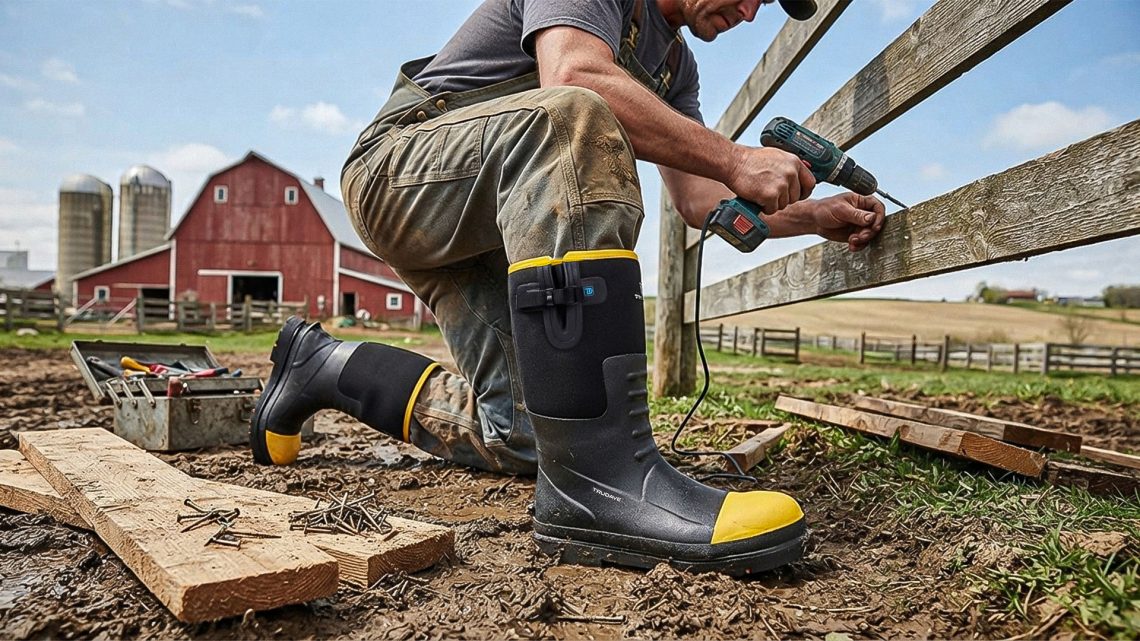
Best Boots for Aquarium and Marine Animal Facility Work
Working inside a public aquarium or marine animal facility means spending much of the day around water even when employees never enter an exhibit.
Aquarists, animal-care teams, filtration technicians, divers, maintenance workers, food-preparation staff, and exhibit crews may move continuously between saltwater systems, freshwater tanks, animal pools, pump rooms, wet concrete, food areas, loading docks, and public exhibit spaces.
A normal shift may involve:
- Saltwater splash.
- Freshwater.
- Wet concrete.
- Fish residue.
- Cleaning water.
- Rubber mats.
- Metal stairs.
- Pump-room floors.
- Animal pool decks.
- Food-preparation rooms.
- Loading areas.
- Outdoor service yards.
The best boots for aquarium work should keep feet dry, provide stable traction on wet hard surfaces, resist daily wear around water, remain comfortable during long standing shifts, and clean easily when moving between animal-care and maintenance zones.
Aquarium Work Is Wet Even Away From the Tanks
Visitors may see clean, polished exhibits.
Behind the scenes, employees often work around:
- Hoses.
- Pumps.
- Filtration systems.
- Drainage.
- Buckets.
- Food-preparation sinks.
- Animal pools.
Water may reach the floor constantly.
That makes fully waterproof footwear much more practical than ordinary water-resistant shoes.
Saltwater Creates Different Footwear Demands
Marine facilities add another challenge.
Saltwater can leave residue on:
- Boot uppers.
- Outsole edges.
- Hardware.
- Seams.
Footwear used around saltwater should be easy to rinse with fresh water after exposure.
Salt Residue Should Not Be Allowed to Build Up
Repeated saltwater exposure may leave deposits as water evaporates.
A simple freshwater rinse can help remove:
- Salt crystals.
- Sand.
- Organic material.
Smooth waterproof uppers make this easier.
Aquarium Floors Require Hard-Surface Traction
Most aquarium employees work on:
- Concrete.
- Tile.
- Coated floors.
- Rubber matting.
- Metal platforms.
This means very deep agricultural tread is rarely necessary.
Workers generally benefit from:
- Broad outsole contact.
- Flexible rubber.
- Moderate grooves.
- Stable heel support.
- Easy-clean tread.
Deep Mud Lugs Are Usually Wrong for Aquariums
Aggressive outdoor tread may:
- Trap debris.
- Hold sand.
- Feel unstable on metal steps.
- Track material into clean areas.
A moderate hard-surface outsole is usually more practical.
Boots for Aquarists
Aquarists may perform:
- Animal feeding.
- Tank inspection.
- Water-quality checks.
- Cleaning.
- Exhibit maintenance.
They may spend long periods standing and walking on concrete.
Suitable footwear should provide:
- Full waterproofing.
- Cushioning.
- Secure heel fit.
- Moderate tread.
- Flexible movement.
Aquarists Need Mobility More Than Extreme Boot Height
Most routine aquarium work involves splash rather than deep water.
Mid-height waterproof boots are often more practical than knee-high rubber boots.
Higher boots may become useful during:
- Heavy washdown.
- Pool draining.
- Large animal care.
- Flooded maintenance areas.
Boots for Fish Rooms
Behind public exhibits, fish rooms may contain:
- Tanks.
- Sumps.
- Plumbing.
- Pumps.
- Drains.
Floors may stay damp for much of the day.
Waterproof boots with reliable hard-floor contact work well.
Boots for Tank Cleaning
Aquarium employees may clean:
- Windows.
- Tank walls.
- Equipment.
- Holding systems.
Even workers staying outside the tank may experience heavy splash.
Boots for Hose Work
Hoses are used constantly for:
- Filling.
- Draining.
- Cleaning.
- Rinsing.
Workers frequently step around them.
A bulky outsole can make hose-heavy work less precise.
Forefoot Flexibility Helps Around Hoses
Aquarium employees often:
- Kneel.
- Crouch.
- Step sideways.
- Reach around tanks.
The boot should flex naturally.
Boots for Filtration Rooms
Filtration systems may include:
- Pumps.
- Protein skimmers.
- Mechanical filters.
- UV systems.
- Piping.
- Valves.
Technicians need footwear that combines water protection with industrial support.
Pump Rooms May Stay Continuously Damp
Even small leaks or maintenance tasks can leave water on the floor.
Workers should prioritize:
- Waterproof construction.
- Hard-floor cushioning.
- Secure heel retention.
- Stable tread.
Boots for Pump Maintenance
Maintenance employees may handle heavy:
- Motors.
- Pumps.
- Valves.
- Pipe sections.
Safety-toe footwear may be appropriate depending on workplace requirements.
Waterproof Does Not Mean Electrical Protection
Aquarium pump and filtration systems involve substantial electrical equipment.
General waterproof boots are not automatically electrically rated.
Task-specific electrical safety procedures come first.
Boots for Saltwater Filtration Systems
Saltwater filtration areas may expose footwear to:
- Salt residue.
- Cleaning water.
- Organic material.
Easy-clean construction is especially valuable.
Boots for Freshwater Exhibits
Freshwater systems remove the salt issue but still involve:
- Wet concrete.
- Splash.
- Hoses.
- Pumps.
Waterproof hard-floor footwear remains useful.
Boots for Touch Tank Areas
Touch pools may generate constant small amounts of water.
Employees may work around:
- Splash.
- Wet tile.
- Children carrying water.
- Cleaning.
A low-to-mid waterproof boot with broad floor contact is practical.
Boots for Shark and Large Fish Exhibits
Large exhibits often require significant back-of-house infrastructure.
Workers may move between:
- Pump rooms.
- Large holding tanks.
- Platforms.
- Service corridors.
A supportive waterproof work boot works well.
Boots for Marine Mammal Facilities
Facilities housing animals such as:
- Seals.
- Sea lions.
- Dolphins.
may involve much more water exposure.
Workers may spend long periods around:
- Pool decks.
- Animal holding areas.
- Washdown zones.
Mid-calf rubber boots can be especially practical.
Boots for Seal and Sea Lion Care
Animal-care workers may handle:
- Fish.
- Buckets.
- Hoses.
- Cleaning equipment.
Footwear should be waterproof and easy to rinse.
Fish Oils Can Affect Floor Conditions
Food residue from fish may make wet floors more slippery.
Workers should clean spills quickly.
No ordinary boot eliminates all risk from oily organic residue.
Boots for Penguin Facilities
Penguin exhibits may involve:
- Water.
- Cool temperatures.
- Wet rock surfaces.
- Fish residue.
Workers may need moderate cold protection depending on the facility.
Boots for Cold Marine Rooms
Some animal areas operate at cooler temperatures.
Workers may benefit from:
- Thicker midsoles.
- Moderate insulation.
- Cold-flexible outsole rubber.
Heavy winter boots are usually unnecessary unless exposure is prolonged.
Boots for Sea Turtle Facilities
Sea turtle care may involve:
- Large pools.
- Drainage.
- Food preparation.
- Tank cleaning.
Waterproof mid-height boots are practical.
Boots for Rehabilitation Aquariums
Marine rescue and rehabilitation facilities may handle:
- Injured wildlife.
- Temporary pools.
- Washdown.
- Outdoor holding areas.
These workers may need more rugged waterproof footwear than employees in public display areas.
Boots for Animal Quarantine Areas
Quarantine facilities may require dedicated footwear.
This helps reduce movement of:
- Organic material.
- Water.
- Contaminants.
between animal populations.
Biosecurity Matters
Aquarium footwear can carry material from one tank area to another.
Facilities may use:
- Dedicated boots.
- Boot-wash stations.
- Disinfection procedures.
Employees should follow site protocols.
Boots for Footbath Areas
Footbaths may be used in certain animal-care zones.
Smooth waterproof boots are easier to disinfect than complex fabric footwear.
Waterproof Does Not Mean Disinfectant Resistant
Some disinfectants may affect:
- Rubber.
- Adhesives.
- Coatings.
Material compatibility should be checked where repeated chemical exposure occurs.
Boots for Fish Food Preparation
Aquarium food rooms may handle:
- Fish.
- Squid.
- Shrimp.
- Shellfish.
- Frozen food.
Floors may become wet or oily.
Easy-clean waterproof boots are useful.
Boots for Frozen Fish Handling
Food may be stored in cold rooms or freezers.
Workers moving between food prep and storage need footwear that remains comfortable in cooler temperatures.
Boots for Shellfish Food Prep
Shell fragments may create sharp debris.
A normal rubber sole is not automatically puncture resistant.
Boots for Food Room Washdown
Sanitation crews may rinse:
- Floors.
- Tables.
- Containers.
More shaft coverage may be useful.
Boots for Aquarium Kitchens
Some large facilities maintain dedicated animal food kitchens.
Workers may spend long periods on hard floors.
Cushioning becomes especially important.
Boots for Animal Feeding Crews
Workers carrying buckets may have both hands occupied.
Stable footwear improves control.
Carrying Heavy Buckets Changes Balance
Water and fish are heavy.
Secure heel retention becomes more important when workers cannot use their hands for balance.
Boots for Pool Decks
Animal pool decks may remain wet throughout the day.
Workers should prioritize:
- Broad outsole contact.
- Flexible rubber.
- Moderate tread.
- Stable heel positioning.
Boots for Wet Tile
Some aquarium facilities use tile in public or support areas.
Tile can become very slick when wet.
No ordinary boot guarantees traction on contaminated tile.
Floor maintenance remains important.
Boots for Rubber-Mat Areas
Rubber mats may provide added grip but can also shift if poorly maintained.
Workers should still use stable footwear.
Boots for Exhibit Cleaning Crews
Cleaning staff may wash:
- Windows.
- Railings.
- Decks.
- Behind-the-scenes floors.
Waterproof footwear with easy-clean uppers works well.
Boots for Pressure Washing
Some facilities may pressure-wash:
- Pool decks.
- Service areas.
- Outdoor exhibits.
Waterproof boots protect against ordinary splash but not direct high-pressure spray.
Boots for Aquarium Drain Cleaning
Drainage systems may collect:
- Fish scales.
- Food debris.
- Sand.
- Organic material.
Workers need footwear that cleans easily.
Simple Tread Is Easier to Sanitize
Complex tread patterns can trap organic debris.
Moderate accessible grooves are more practical.
Boots for Sand-Based Exhibits
Some exhibits use:
- Sand.
- Fine gravel.
- Artificial beaches.
Workers may carry this material into wet back-of-house areas.
Moderate tread is easier to clean.
Sand Can Be Abrasive
Fine sand may work into:
- Tread channels.
- seams.
- outsole edges.
Regular rinsing reduces buildup.
Boots for Rocky Exhibits
Artificial rock or natural stone may be:
- Uneven.
- Wet.
- Algae-covered.
Workers need controlled outsole edges and secure heel fit.
Algae Creates Serious Slip Risk
Wet biological growth can be extremely slippery.
No ordinary outsole completely solves this problem.
Regular cleaning and access procedures matter.
Boots for Outdoor Marine Exhibits
Outdoor facilities may add:
- Rain.
- Sun.
- Wind.
- Wet concrete.
- Grass.
A mixed-surface waterproof work boot is useful.
Boots for Coastal Aquariums
Facilities near the ocean may experience even more:
- Salt.
- Moisture.
- Wind-driven rain.
Freshwater rinsing becomes particularly important.
Boots for Outdoor Sea Lion Pools
Workers may move between:
- Concrete.
- Water.
- Equipment areas.
Mid-calf waterproof boots provide practical splash protection.
Boots for Aquarium Loading Docks
Aquariums receive:
- Food.
- Salt.
- Equipment.
- Supplies.
Dock employees may work on:
- Concrete.
- Metal plates.
- Wet pavement.
Safety-toe footwear may be appropriate.
Boots for Pallet Handling
Workers may use:
- Pallet jacks.
- Forklifts.
- Hand trucks.
Secure heel support and cushioning improve control.
Boots for Forklift Operators
Operators need:
- Good pedal feel.
- Moderate outsole thickness.
- Secure heel positioning.
Tall rubber boots may feel bulky.
Boots for Aquarium Supply Warehouses
Dry storage employees may have less water exposure.
However, workers who also enter wet animal areas benefit from waterproof footwear.
Boots for Salt Storage Areas
Facilities may store large quantities of:
- Synthetic sea salt.
- Mineral mixes.
Fine materials can collect on footwear.
Easy-clean construction is useful.
Boots for Mechanical Maintenance
Aquariums rely heavily on:
- Pumps.
- Motors.
- Plumbing.
- HVAC systems.
- Filtration equipment.
Maintenance teams often need more industrial footwear.
Safety-Toe Boots for Aquarium Maintenance
Protective toes may be appropriate around:
- Pumps.
- Heavy pipe.
- Tanks.
- Equipment.
- Pallets.
Requirements depend on the role.
Oil and Grease Exposure
Mechanical rooms may contain:
- Lubricants.
- Grease.
- Hydraulic fluids.
Waterproof does not automatically mean oil resistant.
Boots for Plumbing Repairs
Aquarium plumbing can involve substantial water release.
Mid-height waterproof safety boots work well.
Boots for Valve Replacement
Workers may kneel or crouch in wet areas.
Forefoot flexibility helps.
Boots for Tank Construction and Renovation
New exhibits may temporarily resemble construction sites.
Workers may encounter:
- Concrete.
- Gravel.
- Tools.
- Debris.
More protective footwear may be needed.
Puncture Hazards During Construction
Workers may encounter:
- Screws.
- Wire.
- broken materials.
- sharp metal.
A thick outsole is not automatically puncture resistant.
Boots for Exhibit Fabrication
Some aquariums maintain in-house workshops.
Tasks may involve:
- Carpentry.
- Metalwork.
- Fiberglass.
- Painting.
Task-specific PPE should guide footwear selection.
Boots for Fiberglass Work
Waterproof boots are not automatically suitable for all resins or solvents.
Chemical compatibility matters.
Boots for Life-Support System Technicians
Life-support systems are critical to aquarium operations.
Technicians may work long hours in:
- Pump rooms.
- Filtration areas.
- Wet mechanical spaces.
A structured waterproof work boot is practical.
Boots for Emergency Leak Response
Aquarium facilities need rapid response when plumbing fails.
Workers may suddenly encounter much deeper water than normal.
Higher waterproof boots may be stored specifically for emergencies.
Standing Water Around Electrical Equipment Requires Caution
Waterproof boots do not make flooded electrical spaces safe.
Electrical isolation and emergency procedures come first.
Boots for Emergency Tank Drainage
Workers may use:
- Pumps.
- Hoses.
- Wet vacuums.
More shaft coverage can be useful.
Boots for Aquarium Divers Before and After Dives
Divers may wear specialized dive footwear in the water.
Before and after dives, they may walk around wet decks and equipment areas.
Dedicated waterproof work footwear can improve comfort outside the tank.
Dive Boots Are Not Always Good Work Boots
Neoprene dive boots may lack:
- Cushioning.
- Hard-floor support.
- Protection for maintenance tasks.
Separate footwear is often better.
Boots for Dive Equipment Rooms
Dive rooms may contain:
- Wet floors.
- Tanks.
- Gear.
- Metal racks.
Workers need broad hard-surface contact.
Boots for Public Exhibit Maintenance
Employees may need to enter visitor-facing spaces.
Footwear should be easy to clean and not track excessive debris.
Clean Appearance Matters in Public Areas
Smooth waterproof uppers can be wiped down quickly.
Boots for Gift Shop or Public-Area Maintenance Staff
Employees transitioning between dry public spaces and wet service zones may benefit from lower-profile waterproof boots.
Boots for Aquarium Grounds Crews
Large facilities may include:
- Outdoor landscaping.
- Parking.
- Water features.
Grounds teams need mixed-surface waterproof footwear.
Boots for Decorative Pond Maintenance
Outdoor ponds may involve:
- Mud.
- Wet grass.
- Shallow water.
Mid-calf rubber boots can be useful.
Boots for Rainy Outdoor Aquarium Work
Rain adds water to already wet work zones.
Workers may need more shaft coverage during storms.
Boots for Winter Aquarium Operations
Outdoor exhibits in colder climates may involve:
- Snow.
- Slush.
- Ice.
Workers may need moderate insulation.
Slush Can Enter Low Shoes
Mid-height waterproof boots provide better winter coverage.
Ice Requires Separate Traction Controls
No ordinary boot eliminates ice hazards.
Approved traction devices may be needed.
Boots for Summer Aquarium Work
Indoor marine facilities can be humid.
Heavy insulated boots may become uncomfortable.
Workers should prioritize:
- Uninsulated construction.
- Moderate weight.
- Moisture-wicking socks.
Waterproof Boots Can Become Damp From Sweat
Workers may remain dry from outside water while internal moisture builds.
Daily drying is important.
Best Socks for Aquarium Workers
Synthetic and wool-blend socks generally perform better than cotton.
Useful features include:
- Moisture wicking.
- Quick drying.
- Heel cushioning.
- Secure fit.
Spare Socks Can Be Useful
Unexpected hose leaks or water entering over the boot shaft can soak socks.
Keeping a dry pair available can improve comfort.
Boot Weight Matters During Long Aquarium Shifts
Employees may take thousands of short steps across:
- Exhibit spaces.
- Back rooms.
- Pump rooms.
Heavy boots increase fatigue.
Cushioning Matters on Concrete
Aquarium workers may spend nearly the entire shift on hard floors.
Supportive midsoles and footbeds are essential.
Heel Retention Matters on Wet Floors
Loose boots allow the foot to slide inside during quick movement.
Secure fit improves control.
Toe Room Matters During Long Standing Shifts
Feet may swell after hours of standing.
Enough toe space improves comfort.
Forefoot Flexibility Helps Animal-Care Workers
Employees frequently:
- Kneel.
- Crouch.
- Bend.
- Lift buckets.
The boot should flex naturally.
Removable Insoles Improve Hygiene
Removable footbeds allow workers to:
- Dry footwear.
- Replace cushioning.
- Manage moisture.
- Improve comfort.
Easy-Clean Construction Is a Major Advantage
Aquarium boots may collect:
- Salt.
- Fish residue.
- Sand.
- Organic material.
- Cleaning products.
Smooth waterproof uppers simplify maintenance.
How to Clean Aquarium Work Boots
A practical routine may include:
- Rinse saltwater residue with fresh water.
- Remove sand and fish debris.
- Brush outsole grooves.
- Follow facility sanitation procedures.
- Clean chemical exposure according to product guidance.
- Remove damp insoles.
- Allow footwear to dry completely.
Saltwater Should Be Rinsed Promptly
Freshwater rinsing helps remove deposits from:
- Outsoles.
- Uppers.
- Hardware.
Organic Material Should Be Removed Before Sanitizing
Fish residue or other visible material should be physically removed before disinfection procedures.
How to Dry Aquarium Boots
After cleaning:
- Remove insoles.
- Open the boots.
- Allow airflow.
- Use low-temperature drying if approved.
Avoid excessive direct heat.
Rotating Two Pairs Can Help Full-Time Aquarists
Daily moisture exposure may prevent one pair from drying completely overnight.
Alternating footwear can improve comfort and hygiene.
When Aquarium Work Boots Should Be Replaced
Replace footwear when:
- Waterproofing fails.
- Tread becomes smooth.
- Rubber cracks.
- Salt or chemical damage appears.
- Outsole separation develops.
- Heel support collapses.
- Cushioning becomes ineffective.
Do Aquarium Workers Need Safety-Toe Boots?
Some maintenance, loading, pump-room, warehouse, and construction tasks may require safety-toe footwear.
Routine animal-care roles may have different requirements.
Do Aquarium Workers Need Puncture-Resistant Boots?
Puncture protection may be appropriate around:
- Construction debris.
- Sharp shells.
- broken equipment.
- metal hardware.
Common Mistakes When Buying Aquarium Work Boots
Buying Deep Outdoor Boots for Indoor Aquarium Floors
Aggressive tread is usually unnecessary on concrete and tile.
Choosing Cheap Rain Boots for Full-Day Work
They may lack enough cushioning.
Wearing Boots Too Tall for Routine Aquarist Tasks
Extra shaft height adds weight and heat.
Ignoring Saltwater Maintenance
Salt residue should be rinsed regularly.
Wearing Loose Boots on Wet Floors
Secure fit improves control.
Assuming Waterproof Means Chemical Resistant
Sanitizers and cleaners may require compatible materials.
Ignoring Concrete Comfort
Most aquarium employees spend hours on hard floors.
Letting Fish Residue or Sand Accumulate in Tread
Organic buildup can affect hygiene and traction.
How to Choose the Best Boots for Aquarium Work
Start with the employee’s primary role.
For aquarists, prioritize:
- Waterproof construction.
- Hard-floor cushioning.
- Flexible movement.
- Secure heel fit.
For marine mammal teams, prioritize:
- More shaft coverage.
- Easy-clean uppers.
- Wet-deck traction.
For filtration technicians, prioritize:
- Supportive construction.
- Safety protection where required.
- Hard-surface stability.
For food-prep workers, prioritize:
- Easy sanitation.
- Moderate tread.
- Cushioning.
For washdown crews, prioritize:
- Full waterproofing.
- Additional splash coverage.
- Simple cleanable tread.
For loading and maintenance teams, prioritize:
- Safety features.
- Durable construction.
- Mixed-surface performance.
Workers comparing waterproof footwear from brands such as Trudave Gear should choose boots according to the actual combination of saltwater, wet concrete, animal care, filtration systems, washdown, food handling, and long standing shifts involved in their work.
Frequently Asked Questions
What are the best boots for aquarium work?
The best aquarium boots are fully waterproof, comfortable on hard floors, securely fitted, easy to clean, and equipped with moderate tread suitable for wet concrete, tile, and service areas.
Are rubber boots good for aquarium workers?
Yes. Rubber boots are especially practical for animal pools, fish rooms, washdown, food preparation, filtration areas, and other high-water-exposure tasks.
How tall should aquarium work boots be?
Mid-height or mid-calf boots are versatile for most aquarium jobs. Taller boots may be useful for heavy washdown, animal pools, and emergency water response.
What boots are best for wet aquarium floors?
Waterproof boots with flexible rubber, broad outsole contact, moderate grooves, secure heel support, and good cushioning are practical.
Are deep-lug boots good inside aquariums?
Usually not. Deep outdoor tread can trap sand and organic material and may provide less useful contact on smooth floors.
What boots are best for marine animal care workers?
Easy-clean waterproof boots with enough splash coverage, broad wet-floor contact, cushioning, and secure fit work well.
Do aquarium workers need safety-toe boots?
Some filtration, warehouse, maintenance, loading, and construction jobs may require safety-toe footwear.
Are waterproof boots resistant to saltwater?
Waterproof boots may handle saltwater exposure, but regular freshwater rinsing is important and material durability varies between products.
Are waterproof boots resistant to aquarium disinfectants?
Not automatically. Compatibility should be checked for the specific cleaning and sanitation products being used.
How should aquarium work boots be cleaned?
Rinse saltwater, remove sand and organic debris, clean tread grooves, follow facility sanitation procedures, and allow the boots to dry completely.
Final Thoughts
Aquarium and marine animal facility work combines saltwater, freshwater, wet concrete, animal pools, filtration systems, food preparation, washdown, loading areas, maintenance equipment, and long standing shifts.
The best footwear depends on the employee’s actual role.
Aquarists need lightweight waterproof boots with good hard-floor cushioning.
Marine animal teams benefit from more splash coverage.
Filtration technicians need structured footwear suited to mechanical areas.
Food-preparation crews need easy-clean boots that support sanitation.
Washdown employees may need taller waterproof footwear.
Maintenance and loading workers may require additional safety protection.
Trudave Gear offers waterproof outdoor and work footwear suited to wet floors, washdown, rain, maintenance, and demanding daily work environments.
Choosing footwear according to the actual aquarium task can help workers stay drier, reduce fatigue, maintain better footing, and remain comfortable from the first morning water-quality inspection to the final tank and equipment cleanup at the end of the day.


You May Also Like
When the Storm Hits: Why Trudave Rain Boots Are the Ultimate Emergency Preparedness Footwear

The Ground Sleeps, You Don’t: Winter Tasks Every Gardener Should Do Now